
Diwali 2026 in Australia: Lakshmi Puja Muhurat City by City, Dhanteras Timings and the 5-Day Calendar
Diwali falls on Sunday 8 November 2026 across Australia. Here is the Lakshmi Puja muhurat for eight cities from Sydney to Perth, Pradosh Kaal and Dhanteras timings, the Australian 5-day calendar (Govardhan Puja 10 November, Bhai Dooj 11 November), a devotional home puja vidhi, and notes on daylight saving and fire safety.
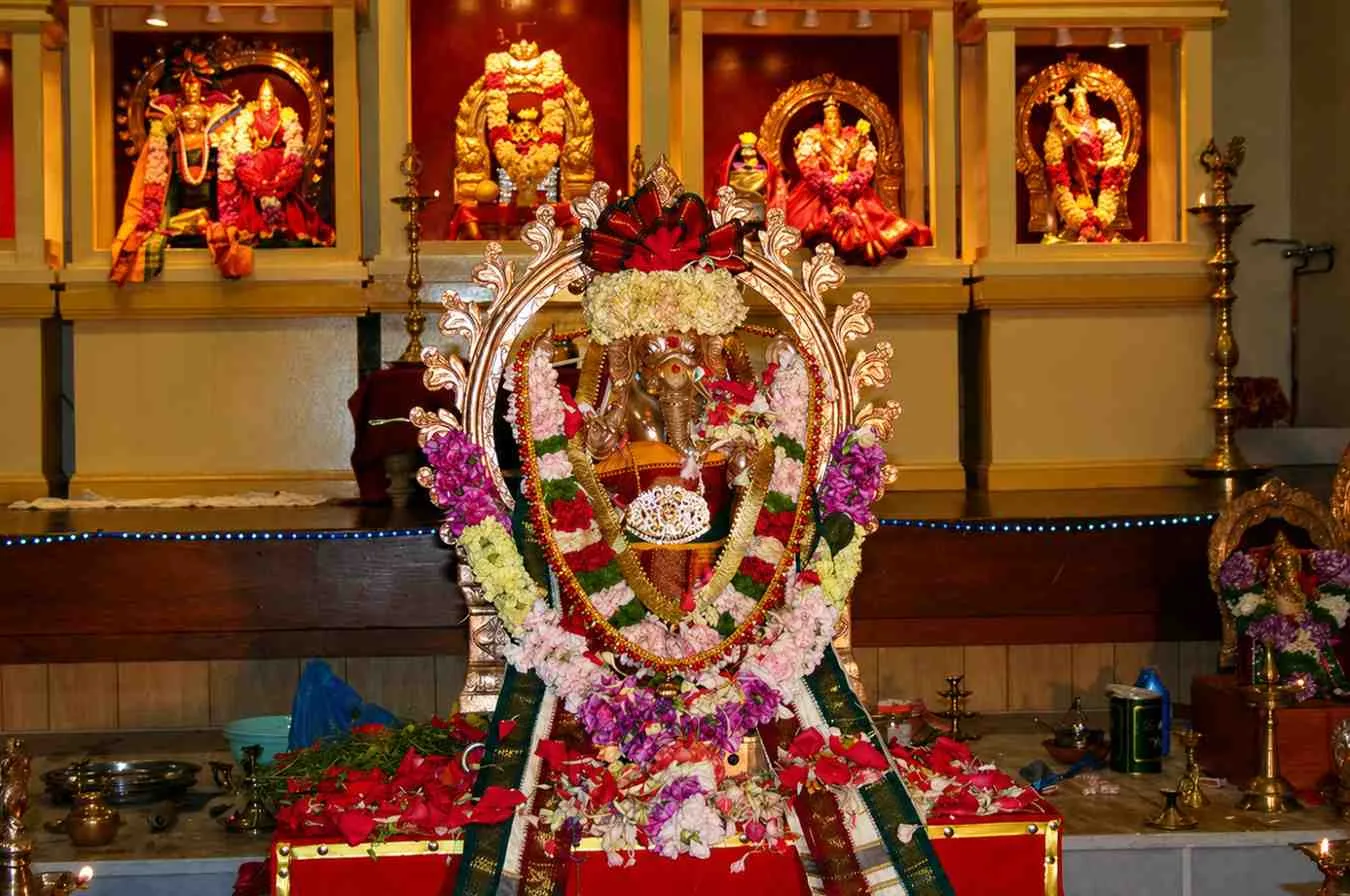
Diwali falls on Sunday 8 November 2026 across Australia. Here is the Lakshmi Puja muhurat for eight cities from Sydney to Perth, Pradosh Kaal and Dhanteras timings, the Australian 5-day calendar (Govardhan Puja 10 November, Bhai Dooj 11 November), a devotional home puja vidhi, and notes on daylight saving and fire safety.
Quick answer: Diwali 2026 in Australia is on Sunday 8 November. The Lakshmi Puja muhurat in Sydney is 8:04 PM – 9:33 PM AEDT (Drik Panchang), Melbourne 8:38 PM – 10:02 PM, Brisbane 6:46 PM – 8:19 PM and Perth 7:23 PM – 8:52 PM. Dhanteras is Friday 6 November (Sydney puja muhurat 8:13 PM – 9:31 PM). As in India, Govardhan Puja is Tuesday 10 November and Bhai Dooj Wednesday 11 November.
Diwali in Australia arrives in late spring, with long, light evenings and daylight saving in the south-east — so Lakshmi Puja here is a late-evening affair, often after dinner. This guide gives the exact muhurat for eight Australian cities, explains why the windows are shorter than in the northern hemisphere, and walks you through a devotional Lakshmi-Ganesh puja at home. For community celebrations across Australia, the UAE and Singapore, see our Diwali 2026 Australia, UAE & Singapore guide.
Diwali 2026 dates in Australia: the five days
| Day | Festival | Date in Australia | Date in India |
|---|---|---|---|
| 1 | Dhanteras (Dhanatrayodashi) | Fri 6 Nov | Fri 6 Nov |
| 2 | Naraka Chaturdashi (pre-dawn bath) | Sun 8 Nov, morning | Sun 8 Nov, morning |
| 3 | Diwali — Lakshmi Puja | Sun 8 Nov, evening | Sun 8 Nov, evening |
| — | No festival (Amavasya continues at sunrise) | Mon 9 Nov | Mon 9 Nov |
| 4 | Govardhan Puja / Annakut | Tue 10 Nov | Tue 10 Nov |
| 5 | Bhai Dooj (Bhaiya Dooj) | Wed 11 Nov | Wed 11 Nov |
These are Drik Panchang's dates for Australia, the same in every state and territory, and they match India exactly. Naraka Chaturdashi's oil bath and Lakshmi Puja fall on the same Sunday — morning and evening — and Monday 9 November is a quiet gap day before Govardhan Puja. Families with relatives in North America or the UK will notice that their Govardhan Puja and Bhai Dooj are a day earlier (9 and 10 November); both calendars are correct for where they are used.
Lakshmi Puja muhurat 2026, city by city
Lakshmi Puja is performed on Amavasya evening in Pradosh Kaal — the first portion of the night after sunset — and ideally while Vrishabha (Taurus) lagna, a fixed sign, is rising, so the Goddess's blessings remain steady in the home. The muhurat below is the overlap of Pradosh Kaal with the sidereal Vrishabha lagna, the method Drik Panchang uses. The Sydney row is Drik Panchang's published value; the other rows are calculated by the same method and agree to within about a minute.
| City | Time zone | Lakshmi Puja muhurat (Sun 8 Nov) | Pradosh Kaal (Sun 8 Nov) | Dhanteras puja muhurat (Fri 6 Nov) | Source |
|---|---|---|---|---|---|
| Sydney | AEDT | 8:04 PM – 9:33 PM | 7:29 PM – 9:33 PM | 8:13 PM – 9:31 PM | Drik Panchang |
| Melbourne | AEDT | 8:38 PM – 10:02 PM | 8:01 PM – 10:02 PM | 8:46 PM – 10:01 PM | Calculated |
| Canberra | AEDT | 8:17 PM – 9:43 PM | 7:40 PM – 9:43 PM | 8:25 PM – 9:41 PM | Calculated |
| Hobart | AEDT | 8:42 PM – 9:59 PM | 8:03 PM – 9:59 PM | 8:49 PM – 9:58 PM | Calculated |
| Adelaide | ACDT | 8:28 PM – 9:54 PM | 7:51 PM – 9:54 PM | 8:35 PM – 9:53 PM | Calculated |
| Brisbane | AEST (no DST) | 6:46 PM – 8:19 PM | 6:11 PM – 8:19 PM | 6:54 PM – 8:18 PM | Calculated |
| Darwin | ACST (no DST) | 7:21 PM – 9:05 PM | 6:49 PM – 9:05 PM | 7:29 PM – 9:05 PM | Calculated |
| Perth | AWST (no DST) | 7:23 PM – 8:52 PM | 6:47 PM – 8:52 PM | 7:30 PM – 8:51 PM | Calculated |
- Shorter windows: southern-hemisphere spring nights are short, so Pradosh Kaal lasts only about two hours here (compared with nearly three in Canada). In every Australian city the muhurat runs to the end of Pradosh Kaal — start promptly.
- Daylight saving: NSW, Victoria, South Australia, Tasmania and the ACT moved their clocks forward on 4 October; Queensland, Western Australia and the Northern Territory do not use daylight saving. That is why Brisbane's muhurat (6:46 PM) is over an hour earlier on the clock than Sydney's (8:04 PM).
- Other places: Gold Coast families can follow Brisbane, Geelong can follow Melbourne, and Wollongong and Newcastle are within a few minutes of Sydney. In regional areas, check a local panchang or your temple.
Why India's muhurat cannot be converted to Australian time
India's Lakshmi Puja muhurat is 5:54 PM – 7:50 PM IST (New Delhi, Drik Panchang). Shifted to Australian clocks, it becomes:
- Sydney, Melbourne, Canberra, Hobart: 11:24 PM – 1:20 AM
- Adelaide: 10:54 PM – 12:50 AM
- Brisbane: 10:24 PM – 12:20 AM
- Darwin: 9:54 PM – 11:50 PM
- Perth: 8:24 PM – 10:20 PM
In every case the converted time falls late at night, after the local Lakshmi Puja window has closed (in Perth it starts an hour after the correct window opens and runs well past its end). The muhurat depends on your own sunset and on the lagna rising over your own horizon. Ignore any forwarded "Australia time" that is just India's time on a different clock, and use the table above or your temple's announced time.
Lakshmi-Ganesh puja vidhi for your home
The heart of Diwali is the evening when Mahalakshmi — the Mother of prosperity, beauty and grace — is welcomed into a clean, lamp-lit home, with Ganesha worshipped first. Follow your family's tradition where it differs from the outline below.
Samagri
- Murtis or a picture of Lakshmi and Ganesha on a chowki covered with red cloth
- A kalash with water, mango or betel leaves and a coconut on a bed of rice
- Ghee or oil diyas, incense, camphor, a bell and an aarti plate
- Kumkum, haldi, chandan, akshat, flowers and a garland
- Naivedya: kheer, laddoos, kheel-batashe and fruit
- Coins (silver if possible), some cash and your account books or business diary
Before you begin
Clean the house in the afternoon, draw a rangoli at the entrance, bathe and wear fresh or new clothes. Face east or north, seating Ganesha on Lakshmi's right (your left) with the kalash beside them. Because the muhurat is late, many families eat a light early dinner and keep sweets for prasad afterwards.
Step by step
- Achaman and lamp: sip water three times, purify yourself and the samagri with a sprinkle of water, and light the main diya.
- Sankalp: with water, rice and a flower in your right hand, state your name, gotra, place ("in ___, in Australia"), the day — Kartika Amavasya, Sunday 8 November 2026 — and your prayer for the family. Release the water onto a plate.
- Ganesh puja: offer kumkum, akshat, flowers and a laddoo with "Om Gan Ganapataye Namah".
- Kalash puja: offer kumkum and flowers to the kalash, the seat of the sacred rivers.
- Avahan: invite Mahalakshmi with folded hands, offer water for her feet and bathe the murti with panchamrit and clean water.
- Offerings: chandan, kumkum, akshat, flowers, garland, incense and lamp; place coins and books before her and mark them with kumkum.
- Japa: "Om Shreem Mahalakshmyai Namah" — 108 times on a mala, or 11 or 21 if time is short.
- Naivedya: offer the sweets and fruit and pray that she accepts them.
- Aarti: sing "Om Jai Lakshmi Mata" together, circling the lamp clockwise.
- Close: ask forgiveness for any lapse, seek elders' blessings, share prasad and light diyas through the home.
Mantras and their meaning
- Om Gan Ganapataye Namah — "Salutations to Ganapati", remover of obstacles.
- Om Shreem Mahalakshmyai Namah — "Om, I bow to Mahalakshmi." Shreem is Lakshmi's seed syllable, the sound of abundance and auspiciousness.
- Om Mahalakshmyai Cha Vidmahe, Vishnupatnyai Cha Dhimahi, Tanno Lakshmih Prachodayat — Lakshmi Gayatri: "May we know Mahalakshmi; may we meditate on Vishnu's consort; may Lakshmi illumine us."
- Om Yakshaya Kuberaya Vaishravanaya Dhanadhanyadhipataye Dhanadhanya Samriddhim Me Dehi Dapaya Svaha — to Kubera, lord of wealth and grain, for lasting prosperity.
Aarti: Om Jai Lakshmi Mata
Om Jai Lakshmi Mata, Maiya Jai Lakshmi Mata; Tumko nishdin sevat, Hara Vishnu Vidhata. — "Victory to you, Mother Lakshmi; Shiva, Vishnu and Brahma serve you day and night." Uma Rama Brahmani, tum hi jag-mata — "You are Uma, Rama and Brahmani, Mother of the world."
The rest of the festival
Dhanteras, Friday 6 November
Dhanteras honours Lord Dhanvantari, who rose from the ocean of milk holding the pot of amrit, and welcomes Lakshmi's wealth. Buy a small metal item — a utensil or a silver coin — and in the evening offer a short Lakshmi-Kubera puja in your city's Dhanteras muhurat (Sydney 8:13 PM – 9:31 PM; Perth 7:30 PM – 8:51 PM). Place the Yama Deepam, a four-wick lamp facing south, by the front door as a prayer for the family's protection — indoors or on a safe step if conditions are dry and windy.
Naraka Chaturdashi, Sunday 8 November (morning)
Before sunrise on Diwali day, many families — especially South Indian households, for whom this is the main Deepavali — take an oil bath (abhyanga snan), wear new clothes and share sweets, remembering Krishna's victory over Narakasura. Bengali families keep Kali Puja on the Amavasya night; check your local puja committee for its time.
Govardhan Puja, Tuesday 10 November
Krishna lifted Govardhan hill to shelter the people of Vraj. Temples prepare Annakut, a mountain of vegetarian offerings, and Gujarati families celebrate their New Year on this Kartika Pratipada. As a weekday, many temples hold Annakut darshan in the evening or the following weekend.
Bhai Dooj, Wednesday 11 November
Sisters apply tilak, perform aarti and pray for their brothers' long life, as Yamuna did for Yama; brothers give gifts in return.
Practical tips for Diwali in Australia
- Fire danger: November falls in the fire season in many parts of Australia. On a declared Total Fire Ban day, lighting fires in the open — including outdoor diyas and candles — may be prohibited. Check your state or territory fire authority on the day and keep lamps indoors on a heat-proof tray.
- Fireworks: consumer fireworks are banned or tightly restricted in most states and territories. Enjoy licensed public displays rather than buying your own.
- Indoors: never leave diyas unattended, keep them away from curtains, and open a window during aarti so smoke alarms are not set off. Rental leases and strata rules may restrict open flames on balconies; LED diyas are a safe alternative.
- Late muhurat, school next day: with Lakshmi Puja after 8 PM in the south-east, let children help with rangoli and diyas in the afternoon, and keep the evening puja focused.
- Interstate calls: a family split between Sydney and Brisbane will begin Lakshmi Puja at different clock times — that is correct.
Temples and community celebrations
Hindu temples across Australia — including well-known ones such as the Sri Venkateswara Temple at Helensburgh near Sydney and the Sri Shiva Vishnu Temple at Carrum Downs near Melbourne — hold Lakshmi Puja and Annakut, and local councils and community associations often host Diwali fairs on nearby weekends. Check your own temple's or council's notices for 2026 dates and timings.
Frequently asked questions
When is Diwali 2026 in Australia?
Diwali (Lakshmi Puja) is on Sunday 8 November 2026 in every Australian state and territory. Dhanteras is Friday 6 November, Naraka Chaturdashi is the morning of Sunday 8 November, Govardhan Puja is Tuesday 10 November and Bhai Dooj Wednesday 11 November (Drik Panchang for Australia).
What is the Lakshmi Puja muhurat in Sydney and Melbourne in 2026?
In Sydney the Lakshmi Puja muhurat is 8:04 PM – 9:33 PM AEDT on Sunday 8 November 2026 — Drik Panchang's published time — within Pradosh Kaal of 7:29 PM – 9:33 PM. In Melbourne it is 8:38 PM – 10:02 PM AEDT.
What is the Lakshmi Puja time in Brisbane and Perth?
Brisbane: 6:46 PM – 8:19 PM AEST. Perth: 7:23 PM – 8:52 PM AWST. Both are on Sunday 8 November 2026. Brisbane's window is much earlier on the clock than Sydney's because Queensland does not use daylight saving.
Can I use India's Lakshmi Puja muhurat converted to Australian time?
No. India's window (5:54 PM – 7:50 PM IST in New Delhi) converts to 11:24 PM – 1:20 AM in Sydney and Melbourne, after the local Lakshmi Puja window has closed. Use the muhurat for your own city.
What is the Dhanteras puja muhurat in Australia in 2026?
Dhanteras is Friday 6 November 2026. The puja muhurat is 8:13 PM – 9:31 PM in Sydney, 8:46 PM – 10:01 PM in Melbourne, 6:54 PM – 8:18 PM in Brisbane and 7:30 PM – 8:51 PM in Perth.
Are Govardhan Puja and Bhai Dooj on the same dates in Australia as in India?
Yes. In Australia, as in India, Govardhan Puja is Tuesday 10 November and Bhai Dooj Wednesday 11 November, with Monday 9 November in between. Friends in the USA, Canada and the UK keep them a day earlier, on 9 and 10 November.
Editor's note (5 October 2026): Festival dates follow Drik Panchang for Australia. The Lakshmi Puja and Dhanteras muhurats are the overlap of Pradosh Kaal and the sidereal Vrishabha lagna; the Sydney row is Drik Panchang's published value and the other cities were calculated by the same method to within about a minute. Temple and community programmes are not yet confirmed — organisers are still publishing 2026 flyers; we will update this guide.
Related guides
- Diwali 2026 — dates, rituals and significance
- Diwali 2026 in Australia, UAE & Singapore
- Deepavali 2026 Singapore: Lakshmi Puja muhurat guide
- Diwali 2026 Dubai & UAE: Lakshmi Puja muhurat and 5-day guide
- Diwali 2026 UK: Lakshmi Puja muhurat city by city
- Karwa Chauth 2026 — city-wise moonrise times
- November 2026 Hindu festivals calendar
- Dussehra 2026 Australia, city by city
You might also like
Diwali 2026 in the UK: Lakshmi Puja Muhurat City by City, Dhanteras Timings and the 5-Day Calendar
Diwali 2026 in Canada: Lakshmi Puja Muhurat City by City, Dhanteras Timings and the 5-Day Calendar
Diwali 2026 in the USA: Lakshmi Puja Muhurat City by City, Dhanteras Timings and the 5-Day Calendar