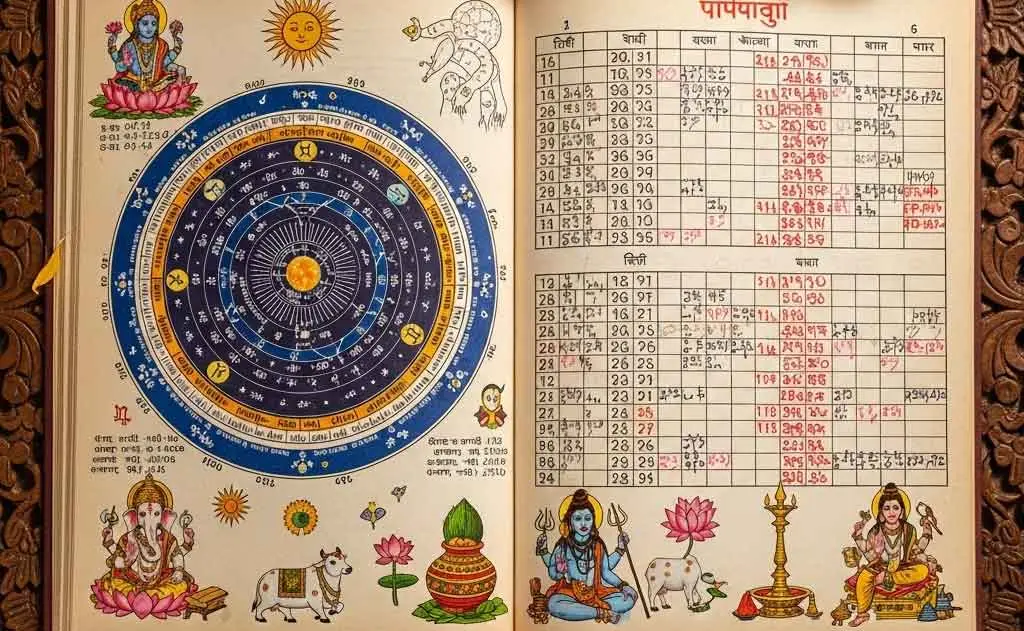
Diwali 2026 Celebrations in European Countries: Complete Guide for Hindu Festival Enthusiasts
Diwali falls on Sunday 8 November 2026 across Europe. Dates for all five days, local sunset times for Lakshmi Puja, and a country-by-country look at how Europe's Hindu communities celebrate.
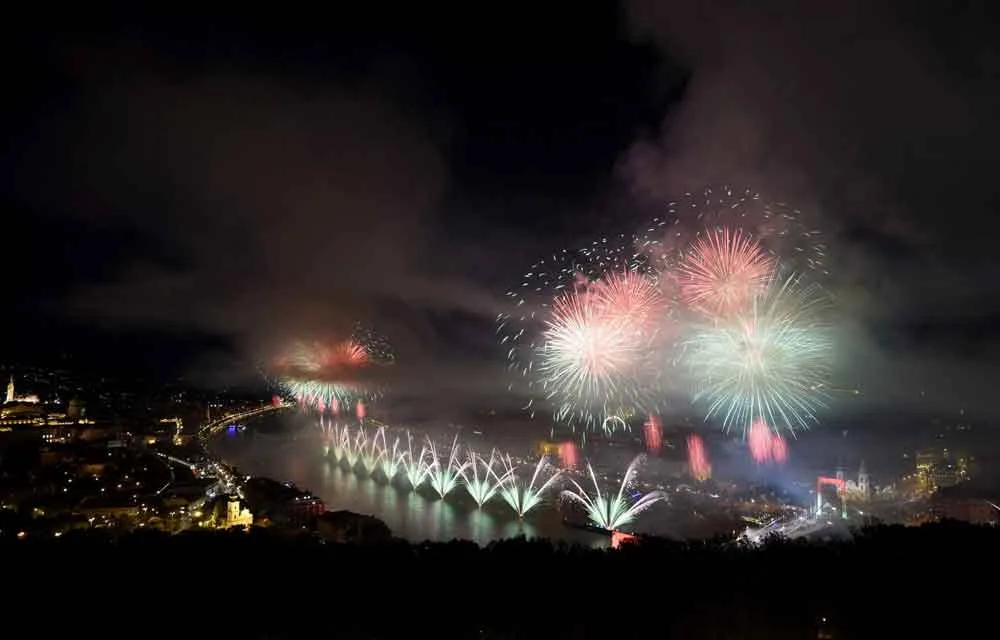
Diwali falls on Sunday 8 November 2026 across Europe. Dates for all five days, local sunset times for Lakshmi Puja, and a country-by-country look at how Europe's Hindu communities celebrate.
Quick answer
Diwali 2026 (Lakshmi Puja) is on Sunday 8 November across Europe. The five days run from Dhanteras on Friday 6 November to Bhai Dooj on Tuesday 10 November, with Govardhan Puja on Monday 9 November (Drik Panchang lists these for both the UK and Germany). Lakshmi Puja is done in the Pradosh Kaal after local sunset, which is 4:22 PM in London and 4:24 PM in Berlin on Diwali. Because 2026 has an extra lunar month, Diwali comes about three weeks later than last year.
From Leicester and Wembley to The Hague, Paris, Berlin and Zurich, Europe's Hindu communities blend ancient rituals with local life. This guide covers the 2026 dates, sunset times for the puja, and how Diwali is celebrated in eight European countries.
Diwali 2026 dates for Europe
| Festival | UK | Germany |
|---|---|---|
| Dhanteras | Fri 6 Nov | Fri 6 Nov |
| Naraka Chaturdashi | Sat 7 Nov | Sun 8 Nov |
| Diwali / Lakshmi Puja | Sun 8 Nov | Sun 8 Nov |
| Govardhan Puja | Mon 9 Nov | Mon 9 Nov |
| Bhai Dooj | Tue 10 Nov | Tue 10 Nov |
Drik Panchang publishes these listings for the UK and Germany. Families in France, the Netherlands, Belgium, Italy, Spain and Switzerland, which share central European time with Germany, should check Drik Panchang for their own city, especially for Naraka Chaturdashi.
Sunset on Diwali (start of Pradosh Kaal)
| City | Sunset Fri 6 Nov | Sunset Sun 8 Nov |
|---|---|---|
| London | 4:25 PM | 4:22 PM |
| Leicester | 4:25 PM | 4:22 PM |
| Berlin | 4:28 PM | 4:24 PM |
| Frankfurt | 4:54 PM | 4:51 PM |
| Munich | 4:48 PM | 4:45 PM |
Lakshmi Puja is done in the Pradosh Kaal after local sunset. Confirm the exact muhurat for your city on Drik Panchang rather than converting an India muhurat.
The essence of Diwali
Diwali, or Deepavali, celebrates Lord Rama's return to Ayodhya after defeating Ravana, the victory of light over darkness and good over evil. In South Indian homes it also remembers Krishna's victory over Narakasura. On the new-moon night, Goddess Lakshmi is welcomed into clean, lamp-lit homes with the Lakshmi-Ganesh puja.
- Dhanteras: prayers to Dhanvantari and Lakshmi for health and prosperity; buying silver, gold or a new vessel; the Yama Deepam at dusk.
- Naraka Chaturdashi: an oil bath before dawn and the first lamps.
- Diwali: rangoli, rows of diyas, Lakshmi Puja after sunset, sweets and family gatherings.
- Govardhan Puja: the Annakut offering to Krishna; for Gujarati families, the Hindu New Year.
- Bhai Dooj: sisters apply tilak to their brothers and pray for their long life.
With Diwali on a Sunday in 2026, many European families can celebrate the main evening together without taking leave.
How Europe celebrates, country by country
United Kingdom
The UK has Europe's largest Hindu population and its biggest celebrations. Leicester's Belgrave Road, the Golden Mile, is famous for one of the largest Diwali celebrations outside India, traditionally with a lights switch-on and a Diwali Day gathering. London usually hosts a public celebration, and temples such as the BAPS Shri Swaminarayan Mandir in Neasden and ISKCON's Bhaktivedanta Manor draw large crowds, especially for Annakut. Manchester, Birmingham and Edinburgh have active community and temple programmes. See our Diwali 2026 UK guide for more.
Germany
Germany's Indian community, concentrated in cities such as Berlin, Frankfurt, Munich, Hamburg and Stuttgart, celebrates with temple pujas, cultural evenings organised by Indian associations and student groups, music, dance and food bazaars. Because consumer fireworks are generally restricted to New Year's Eve, the focus is on diyas, lights and cultural programmes.
Netherlands
The Netherlands has one of the largest Hindu communities in continental Europe, many of them Surinamese Hindustani families, alongside newer Indian arrivals. Mandirs and community organisations in cities such as The Hague, Amsterdam, Amstelveen and Rotterdam hold pujas and public festivals, and BAPS centres mark the Annakut.
France
Paris has a diverse Hindu community with roots in India, Sri Lanka, Mauritius and Réunion. Temples, cultural associations and Indian institutions hold pujas, dinners and cultural evenings, and smaller cities such as Toulouse host family-friendly events.
Belgium
Brussels and Antwerp have growing Indian communities. Indian associations have organised public Diwali festivals with food, dance and music in recent years, alongside home and temple pujas.
Italy
Italy's Hindu communities, from Milan and Turin to Rome and smaller towns, gather for pujas, bhajans and family dinners, often coordinated by local temples and associations.
Spain
Barcelona and Madrid have active Indian communities that celebrate with community dinners, music and cultural nights, while families keep the home puja.
Switzerland
In Zurich, Geneva and Basel, Indian associations host Diwali galas and cultural evenings, Tamil communities observe Deepavali in their temples, and BAPS centres hold Diwali and New Year programmes.
Every year the line-up of public events changes. Check your local temple, Indian association or embassy cultural centre for 2026 programmes and booking details.
Celebrating at home in Europe
- Clean and decorate the home; create a rangoli at the entrance with coloured powder, rice flour or flowers.
- Set up the altar with Lakshmi and Ganesha, a kalash, coins, sweets and flowers.
- Light diyas after sunset and perform the Lakshmi Puja in the Pradosh Kaal, followed by aarti.
- Share sweets such as laddoos, barfi and gulab jamun with neighbours; it is a lovely way to explain the festival.
- Invite friends from other backgrounds; Diwali's message of light and hope is universal.
For the full puja steps, see Lakshmi Puja 2026.
Planning tips for Diwali 2026 in Europe
- Book early: galas and community dinners often sell out; follow your local association.
- Fireworks: check national rules. The UK allows fireworks until 1 AM on Diwali night, while Germany and the Netherlands generally limit consumer fireworks to New Year's Eve.
- Fire safety: in flats, use LED diyas or keep oil lamps on fire-proof trays, away from curtains.
- Work and school: Diwali is not a public holiday in Europe; request leave early for Govardhan Puja or Bhai Dooj, which fall on weekdays in 2026.
- Travel: use trains and trams to reach city-centre events; November evenings are dark and cold, so dress warmly.
- Sustainability: choose clay diyas, reusable decorations and give surplus sweets to food banks.
Frequently asked questions
When is Diwali 2026 in Europe?
Diwali (Lakshmi Puja) is on Sunday 8 November 2026 throughout Europe. Dhanteras is Friday 6 November. Drik Panchang lists Govardhan Puja on Monday 9 November and Bhai Dooj on Tuesday 10 November for both the UK and Germany.
What time is Lakshmi Puja in European cities?
Lakshmi Puja is done in the Pradosh Kaal after local sunset. On 8 November sunset is 4:22 PM in London, 4:24 PM in Berlin, 4:51 PM in Frankfurt and 4:45 PM in Munich. Confirm the exact muhurat for your city on Drik Panchang; India's muhurat does not apply in Europe.
Is Naraka Chaturdashi on 7 or 8 November?
Drik Panchang lists Saturday 7 November for the UK and Sunday 8 November for Germany. Check the listing for your own city, because the observance depends on the tithi at local dawn.
Can I set off fireworks for Diwali in Europe?
Rules differ by country. The UK extends its fireworks curfew to 1 AM on Diwali night, but in Germany and the Netherlands consumer fireworks are generally only allowed around New Year's Eve. Check local regulations and favour diyas, LED lights and licensed public displays.
Why is Diwali later in 2026?
2026 has an extra lunar month (adhika masa), so Diwali falls about three weeks later than last year.
Editor's note (4 October 2026)
This guide has been updated for 2026 with Drik Panchang dates for the UK and Germany and local sunset times. We have removed last year's dates and all individual event listings, venues and organisers. We did not list 2026 events because we could not verify them. Check local temples and associations for this year's programmes.
Related guides
You might also like
Gita Jayanti 2026 Prasad Recipes — Tulsi-Honoring Sweets, Krishna's Favourites & December 20 Bhog Plate
Shani Deva Temples Worldwide & Must-Performed Rituals — Complete Devotee's Guide
Maha Shivratri 2026 Vrat Recipes — Sabudana Khichdi, Singhada Halwa, Phalahara Foods Complete Fasting Guide