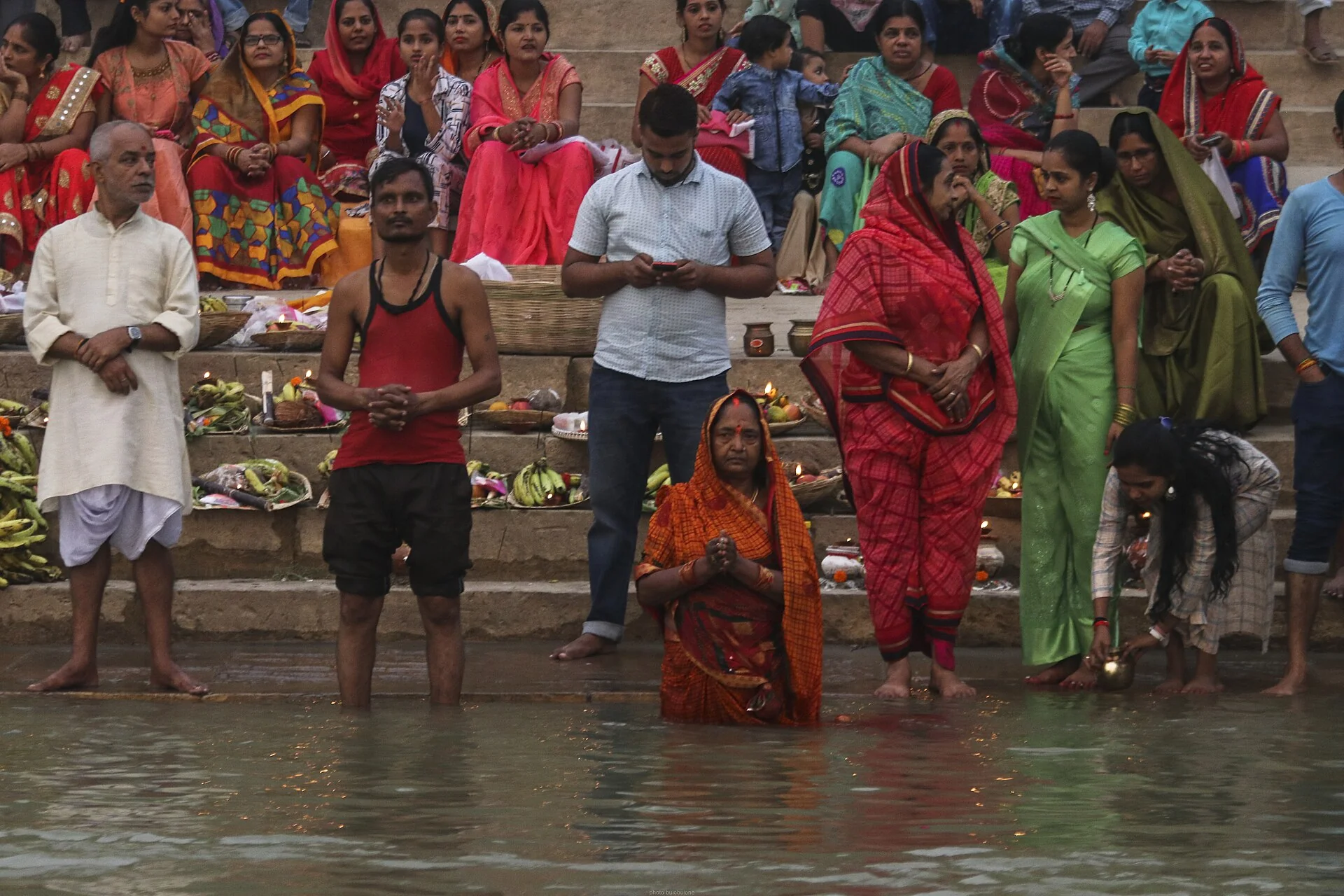
Diwali 2026 in Mumbai: A Radiant Celebration of Lights, Traditions and Urban Festivity
Diwali 2026 falls on Sunday 8 November in Mumbai, with Dhanteras on 6 November, Padwa on 10 November and Bhau Beej on 11 November. A neighbourhood-by-neighbourhood guide to the city's festival of lights.
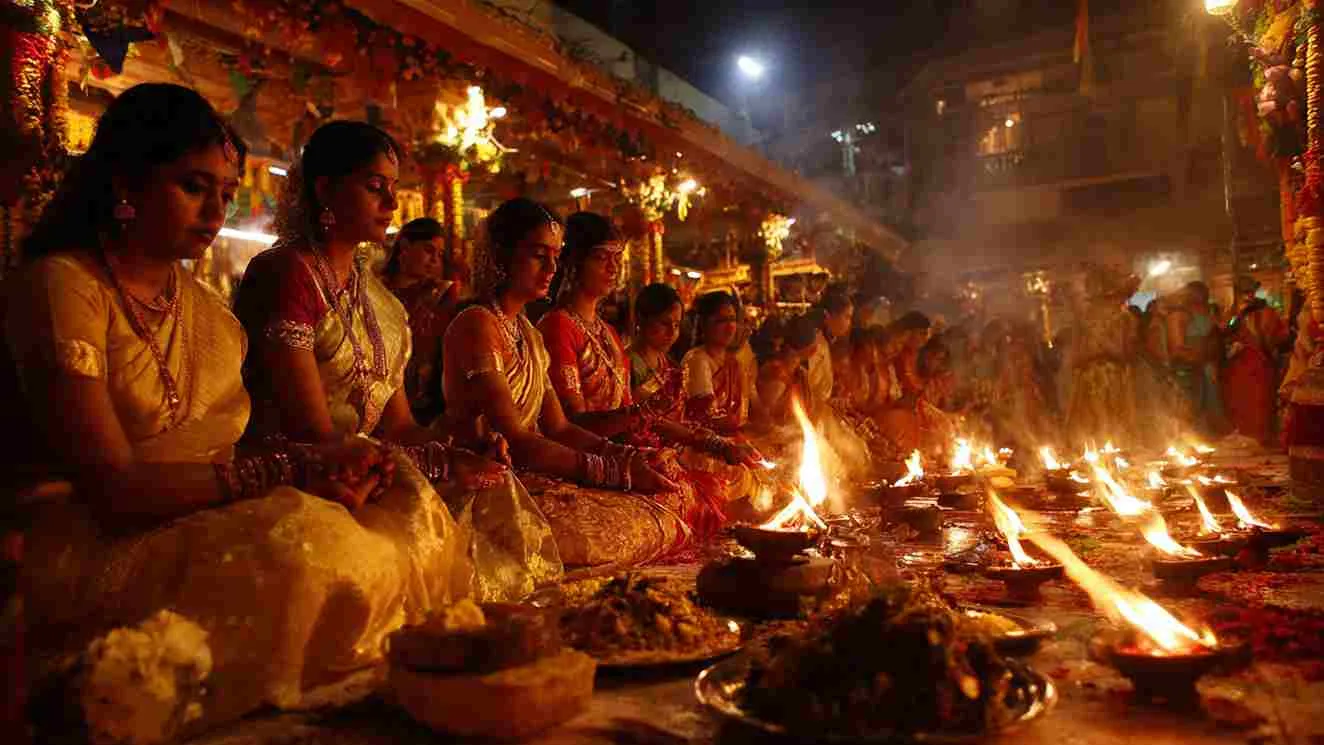
Diwali 2026 falls on Sunday 8 November in Mumbai, with Dhanteras on 6 November, Padwa on 10 November and Bhau Beej on 11 November. A neighbourhood-by-neighbourhood guide to the city's festival of lights.
Quick answer: Diwali 2026 in Mumbai is on Sunday 8 November 2026, when Lakshmi Puja is performed after sunset (about 6:02 PM in Mumbai). Dhanteras is Friday 6 November, Narak Chaturdashi's abhyanga snan is on the morning of 8 November, Diwali Padwa / Govardhan Puja is Tuesday 10 November and Bhau Beej is Wednesday 11 November. Because 2026 has an extra lunar month, Diwali comes about three weeks later than last year.
Diwali is India's best-loved festival, and in Mumbai it fills every lane, chawl, housing society and high-rise with lamps, akash kandils and rangoli. The city blends Maharashtrian tradition with the customs of Gujarati, Marwari, Sindhi, South Indian and many other communities, so Diwali here is both deeply local and wonderfully mixed. This guide covers the 2026 dates, Mumbai's Diwali traditions, how the main neighbourhoods celebrate, the temples and markets to know, and tips for a safe and greener festival.
Diwali 2026 dates in Mumbai
| Day | Date (2026) | What happens |
|---|---|---|
| Dhanteras (Dhantrayodashi) | Friday 6 November | Gold, silver and utensil shopping; Dhanvantari puja; Yama deepam |
| Narak Chaturdashi | Sunday 8 November (dawn) | Abhyanga snan with ubtan before sunrise; first faral |
| Lakshmi Puja | Sunday 8 November (evening) | Lakshmi-Kubera puja after sunset; Chopda Pujan for traders |
| Diwali Padwa / Govardhan Puja | Tuesday 10 November | Bali Pratipada, husband-wife Padwa, Annakut; Gujarati New Year |
| Bhau Beej | Wednesday 11 November | Sisters perform aarti for brothers |
In 2026 Narak Chaturdashi and Lakshmi Puja fall on the same Sunday in India: the oil bath is taken before dawn and Lakshmi Puja is done that evening. Sunset in Mumbai is about 6:03 PM on Dhanteras and 6:02 PM on Diwali; Lakshmi Puja is done in the Pradosh Kaal that follows. Confirm the exact muhurat on Drik Panchang or with your family priest.
Diwali traditions in Mumbai
- Vasubaras: many Maharashtrian families begin Diwali a few days early by worshipping a cow and calf.
- Akash kandil and diyas: star-shaped paper lanterns hang from balconies across the city, with clay diyas along windowsills and doorsteps.
- Rangoli: society compounds and doorways bloom with rangoli in coloured powder, rice and flowers.
- Abhyanga snan: on Narak Chaturdashi families rise before dawn for an oil massage and ubtan bath, then burst a small cracker or crush a bitter karit fruit to mark the defeat of Narakasura.
- Faral: chakli, karanji, shankarpali, anarsa, chivda and besan laddoo are made or bought and exchanged with neighbours.
- Lakshmi Puja and Chopda Pujan: homes worship Lakshmi and Kubera after sunset; Gujarati and Marwari traders bless new account books.
- Padwa and Bhau Beej: husbands give gifts to wives on Padwa, and sisters perform aarti for brothers on Bhau Beej.
Mumbai's Diwali is also a big economic moment: gold buying peaks on Dhanteras, markets are crowded for days and offices hold small pujas. Diwali falling on a Sunday this year means the main evening puja is easier for working families, while Padwa and Bhau Beej fall midweek.
How Mumbai's neighbourhoods celebrate
South Mumbai: Colaba, Fort and Marine Drive
Colaba Causeway stalls fill with terracotta diyas, lanterns and festive clothing, and heritage buildings around Fort are lit up. Marine Drive's "Queen's Necklace" is a favourite evening walk during Diwali week, with lights reflected in the Arabian Sea. The Mahalaxmi Temple near Breach Candy and Babulnath Temple on Malabar Hill draw large crowds of devotees seeking Lakshmi's and Shiva's blessings.
Dadar, Matunga and Prabhadevi
Dadar is the heart of Marathi Mumbai at Diwali. The markets around Dadar station brim with faral, flowers, kandils and puja items, and the area around Shivaji Park is known for its festive lighting. Siddhivinayak Temple in Prabhadevi sees long queues of devotees seeking Ganesha's blessing before Lakshmi Puja. Matunga's South Indian and Gujarati communities add their own flavours, from Deepavali oil baths to Chopda Pujan.
Bandra and Khar
Linking Road and Hill Road are crowded with shoppers buying ethnic wear, decorations and gifts, and housing societies across Bandra and Khar hold rangoli competitions and community dinners. Bandra's mix of communities means interfaith greetings are part of the season.
Juhu, Andheri and Powai
ISKCON Juhu is a major centre for Lakshmi Puja and Govardhan Puja, when devotees offer and receive Annakut prasadam. Large housing complexes in Andheri and Powai light up their towers and gardens, and resident associations often organise sweets distribution and charity drives.
Thane and Navi Mumbai
Thane's lakeside areas and old neighbourhoods such as Naupada, and Navi Mumbai nodes like Vashi and Nerul, have their own markets for diyas, kandils and faral, and many temples and societies hold community pujas. Housing societies here are known for elaborate kandil and rangoli displays.
Where to shop for Diwali in Mumbai
- Crawford Market (Mahatma Jyotiba Phule Mandai): wholesale diyas, decorations, dry fruits and marigold torans.
- Zaveri Bazaar: the city's traditional gold and silver hub, busiest on Dhanteras.
- Dadar market: flowers, kandils, faral and puja samagri.
- Linking Road and Hill Road, Bandra: festive clothing, accessories and décor.
- Local sweet shops in every suburb: faral boxes and mithai for gifting.
Prices and festive offers change every year; compare before you buy, ask for a hallmarked invoice for gold, and shop early in the week to avoid the Dhanteras crush.
Temples to visit during Diwali
- Siddhivinayak Temple, Prabhadevi: Ganesha's blessing before Lakshmi Puja.
- Mahalaxmi Temple, near Breach Candy: the city's most important Lakshmi shrine, crowded through Diwali week.
- Babulnath Temple, Malabar Hill: an old Shiva temple with evening aartis.
- ISKCON Juhu: Lakshmi Puja, kirtans and Govardhan Annakut.
Temple timings, darshan arrangements and special programmes for 2026 are announced by each temple; check their official notices before you go, and expect long queues on Dhanteras and Diwali evening.
Simple Lakshmi Puja at home
- Clean the house, draw rangoli at the door and hang the akash kandil.
- After sunset on 8 November, set up Lakshmi, Ganesha and Kubera on a clean cloth with a kalash, rice, coins, new account books and sweets.
- Invoke Ganesha: "Om Gam Ganapataye Namah."
- Offer haldi-kumkum, flowers, lahya-batasha (puffed rice and sugar drops), faral and a lamp to Lakshmi, chanting "Om Shreem Mahalakshmyai Namah" 108 times.
- Perform aarti and keep a lamp burning through the evening.
Safety and green Diwali tips
- Firecrackers: follow the timing limits and green-cracker rules announced for 2026 by the authorities, and light crackers only in open spaces away from buildings.
- Air quality: November air in Mumbai can be poor; consider skipping crackers altogether, especially near elderly people, children and pets.
- Diyas and lanterns: clay diyas and paper kandils over plastic decorations; keep flames away from curtains.
- Food: buy sweets from trusted shops and check for freshness, especially khoya-based mithai.
- Clean-up: clear cracker debris responsibly and join society clean-ups after the festival.
Frequently asked questions
When is Diwali 2026 in Mumbai?
Lakshmi Puja is on Sunday 8 November 2026. Dhanteras is Friday 6 November, Narak Chaturdashi (abhyanga snan) is on the morning of 8 November, Diwali Padwa / Govardhan Puja is Tuesday 10 November and Bhau Beej (Bhai Dooj) is Wednesday 11 November.
What time is Lakshmi Puja in Mumbai in 2026?
Lakshmi Puja is done in the Pradosh Kaal after sunset. In Mumbai the sun sets at about 6:02 PM on 8 November 2026. Check Drik Panchang or your family priest for the exact muhurat.
Why is Diwali in November this year?
The Hindu calendar is lunar, and 2026 includes an extra lunar month (Adhik Maas). That pushes Diwali about three weeks later than last year.
Are there firecracker time limits in Mumbai?
In recent years authorities have restricted firecrackers to set evening hours and promoted green crackers. The rules for 2026 will be announced by the authorities closer to Diwali, so check BMC and Mumbai Police notices.
What is faral?
Faral is the Maharashtrian Diwali snack platter: chakli, karanji, shankarpali, besan laddoo, anarsa, chivda and more, made at home or bought from local sweet shops and shared with neighbours and relatives.
Editor's note (4 October 2026)
Updated for 2026 with Drik Panchang dates for India and Mumbai's local sunset. We removed last year's muhurat, event dates, mall events, firecracker timings and officials' names because they cannot be confirmed for 2026. Check BMC, police and temple notices for this year's arrangements.
Related guides
You might also like
Gita Jayanti 2026 Prasad Recipes — Tulsi-Honoring Sweets, Krishna's Favourites & December 20 Bhog Plate
Shani Deva Temples Worldwide & Must-Performed Rituals — Complete Devotee's Guide
Maha Shivratri 2026 Vrat Recipes — Sabudana Khichdi, Singhada Halwa, Phalahara Foods Complete Fasting Guide