
Papankusha Ekadashi 2026: Date (22 October), Tithi Timings, Parana, Vrat Katha and Fasting Rules
Papankusha Ekadashi 2026 falls on Thursday 22 October in India, two days after Dussehra. This guide gives the Ekadashi tithi timings, the parana (fast-breaking) note for Friday 23 October, the meaning of the name, Lord Padmanabha worship, the vrat katha as commonly told, fasting rules, what to eat, and advice for families abroad.
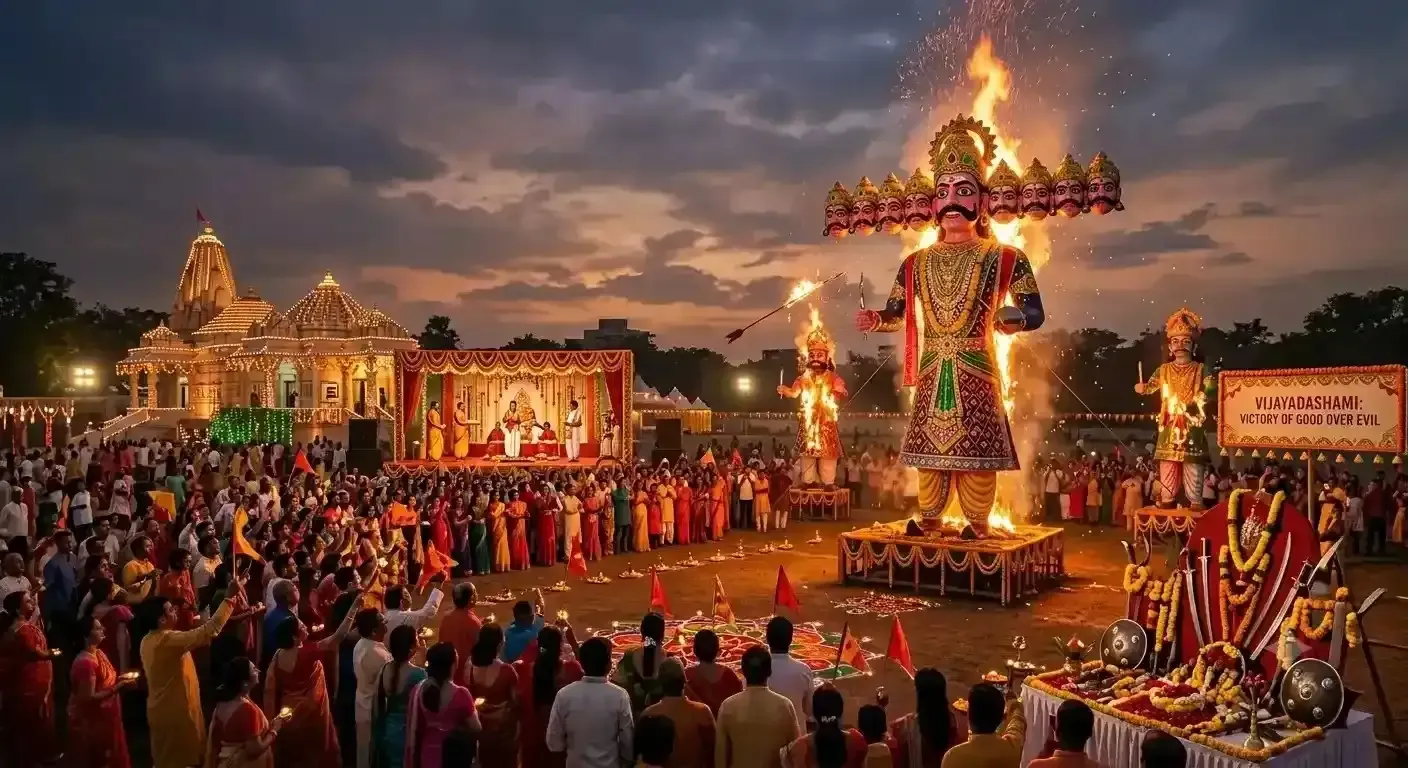
Papankusha Ekadashi 2026 falls on Thursday 22 October in India, two days after Dussehra. This guide gives the Ekadashi tithi timings, the parana (fast-breaking) note for Friday 23 October, the meaning of the name, Lord Padmanabha worship, the vrat katha as commonly told, fasting rules, what to eat, and advice for families abroad.
Quick answer: Papankusha Ekadashi 2026 is observed on Thursday 22 October 2026 in India, the Ekadashi of the bright half (Shukla Paksha) of the month of Ashwin. The Ekadashi tithi runs from 2:13 PM IST on 21 October to 2:49 PM IST on 22 October (calculated), and the fast is broken (parana) on Friday 23 October after sunrise and before Dwadashi ends (around 2:37 PM IST). Please check Drik Panchang for the exact parana window in your city.
Papankusha Ekadashi comes two days after Dussehra (Tuesday 20 October 2026). It is dedicated to Lord Vishnu in his form as Padmanabha. This guide explains the dates, the meaning, the vrat katha as commonly told, and simple fasting rules.
Papankusha Ekadashi 2026 date and timings
| Event | Date and time (India) |
|---|---|
| Papankusha Ekadashi (fasting day) | Thu 22 Oct 2026 |
| Ekadashi tithi begins | 2:13 PM IST, 21 Oct (calculated) |
| Ekadashi tithi ends | 2:49 PM IST, 22 Oct (calculated) |
| Parana (breaking the fast) | Fri 23 Oct, after sunrise and before Dwadashi ends (~2:37 PM IST) |
The tithi times are from HinduTone's calculator, which has been checked against Drik Panchang for New Delhi. Parana must be done after sunrise and within Dwadashi, and sunrise is different in every city. For that reason, check Drik Panchang for the exact parana window for your location. These are India times. Do not convert them to another country's clock; families abroad should look up the date for their own city.
What Papankusha means
The name joins two Sanskrit words. Papa means sin, and ankusha is the hooked goad that a mahout uses to guide an elephant. Just as the goad brings a powerful elephant under control, this vrat is believed to bring the force of past wrongdoing under control.
Traditional texts describe Papankusha Ekadashi as a day that removes sins and brings peace to the devotee and to the ancestors. Like every Ekadashi, it is above all a day for remembering Lord Vishnu, controlling the senses and turning the mind towards God.
Padmanabha worship on Papankusha Ekadashi
On this Ekadashi, Lord Vishnu is worshipped as Padmanabha, 'the one with a lotus in his navel'. In this form he rests on the coiled serpent Adishesha on the cosmic ocean, and from his navel rises a lotus on which Brahma sits. The image reminds devotees that all creation comes from Vishnu.
Many devotees offer tulsi leaves, yellow flowers and a lamp to Lord Vishnu, and chant the Vishnu Sahasranama or the mantra Om Namo Bhagavate Vasudevaya.
Papankusha Ekadashi vrat katha (as commonly told)
The story is commonly told as a dialogue between Lord Krishna and King Yudhishthira. Yudhishthira asks Krishna about the Ekadashi of the bright half of Ashwin, and Krishna describes Papankusha Ekadashi and its glory.
As the story is commonly told, a cruel hunter named Krodhana lived on the Vindhya mountains. He spent his whole life in violence and wrongdoing. As his life drew to a close, he grew afraid of what awaited him after death.
In his fear, Krodhana went to the hermitage of the sage Angiras and begged for a way to be free of his sins. The sage told him to observe the Ekadashi of the bright half of Ashwin, Papankusha Ekadashi, with full faith. Krodhana fasted, worshipped Lord Vishnu and stayed awake in prayer. By the grace of the Lord he was freed from his sins and reached Vishnu's abode.
The lesson of the story is that sincere repentance and devotion can change a person's life, however far they have strayed. Versions of the story differ slightly in different texts and families.
How to observe the vrat
- Dashami (21 October): Eat a simple, light sattvic meal before sunset on the day before. Avoid grains at night if your family tradition requires it.
- Morning of Ekadashi: Bathe, clean the puja space and take a sankalpa (resolve) to keep the fast for Lord Vishnu.
- Puja: Offer water, sandalwood, yellow flowers, tulsi leaves, a ghee lamp, incense and fruit to an image of Lord Vishnu or Padmanabha.
- Chanting: Read the Vishnu Sahasranama, the Bhagavad Gita or the vrat katha, or chant the name of the Lord.
- Night: Some devotees stay awake in prayer and bhajans (jagaran).
- Charity: Giving food, clothes or other help to people in need is considered especially meritorious.
- Parana (23 October): Break the fast after sunrise and before Dwadashi ends, ideally after offering food to the Lord. Check Drik Panchang for your city's exact window.
What to eat and what to avoid
There are different levels of Ekadashi fasting. Some devotees keep a nirjala fast without water, some take only water, and many keep a phalahar fast with fruit and milk. Choose what your health allows.
| Usually allowed (phalahar) | Usually avoided |
|---|---|
| Fruit, milk, curd, paneer | Rice and all grains |
| Nuts and dry fruit | Pulses and lentils |
| Sabudana (sago), potato, sweet potato | Onion and garlic |
| Kuttu (buckwheat) and singhara (water chestnut) flour | Non-vegetarian food and alcohol |
| Rock salt (sendha namak) | Ordinary table salt, in many families |
Customs vary by region and family, so follow your elders or your temple priest. Anyone who is unwell, pregnant, elderly or on medication should consult a doctor and keep a lighter fast.
Papankusha Ekadashi for families abroad
- Ekadashi is decided by local sunrise, so the date in the USA, Canada, UK or Australia can differ by a day from India. Check Drik Panchang for your own city.
- The parana window is also local. Use the parana time for your city, not the India time.
- If your work day makes a full fast hard, a phalahar fast with prayer in the morning and evening is a sincere way to observe the day.
- Many Hindu temples abroad hold Vishnu Sahasranama recitation on Ekadashi. Check your temple's official website for its programme.
- Tell children the story of Krodhana and Angiras. It is a simple way to explain repentance and the grace of God.
Frequently asked questions
When is Papankusha Ekadashi 2026?
Papankusha Ekadashi 2026 is on Thursday 22 October 2026 in India. The Ekadashi tithi runs from 2:13 PM IST on 21 October to 2:49 PM IST on 22 October (calculated).
When should I break the Papankusha Ekadashi fast?
Parana is on Friday 23 October 2026, after sunrise and before Dwadashi ends (around 2:37 PM IST). The exact parana window depends on your city's sunrise, so check Drik Panchang for your location.
Why is it called Papankusha?
Papa means sin and ankusha is the goad used to control an elephant. The name is commonly explained as the vrat that acts like a goad on the elephant of sin, bringing it under control.
Which form of Vishnu is worshipped on Papankusha Ekadashi?
Lord Padmanabha, the form of Vishnu resting on the serpent Adishesha with a lotus rising from his navel, is traditionally worshipped on this Ekadashi.
Can I eat fruit on Papankusha Ekadashi?
Yes. Many people keep a phalahar fast with fruit, milk, nuts and non-grain foods. Grains, rice, pulses, onion and garlic are avoided. Elderly people, children, pregnant women and anyone with a health condition should fast only as their health allows and consult a doctor if needed.
Is Papankusha Ekadashi on the same day in the USA or UK?
Not always. Ekadashi is decided by local sunrise, so the date abroad can differ by a day from India. Check Drik Panchang for your own city before you plan the fast and the parana.
Editor's note
Editor's note (6 October 2026): This guide has been restored at its original address after the earlier version was lost. The date is the India date. Tithi times are calculated by HinduTone's calculator, checked against Drik Panchang for New Delhi. The parana time given is approximate; please check Drik Panchang for the exact parana window for your city. The vrat katha is given as commonly told, and versions differ.
Related guides
You might also like
Lalita Panchami 2026: Date (15 October), Upang Lalita Vrat, Puja Vidhi and Significance
Kaveri Sankramana 2026: Date (17 October), Talakaveri Theerthodbhava, Bhagamandala and Kodava Customs
Kojagari Lakshmi Puja 2026: Date (25 October), Bengali Puja Vidhi, Alpana, Bhog and Lakshmir Panchali