Kansa Vadh 2026: Date, Story of Krishna and Kansa, and Mathura's Kansa Mela
Kansa Vadh 2026 falls on Friday 20 November 2026, per Drik Panchang, the same date it lists Devutthana Ekadashi. Read the story of Krishna ending Kansa's rule in Mathura as commonly told, how Mathura marks the day with its Kansa Mela and effigy custom, and simple ways to observe it at home or abroad.
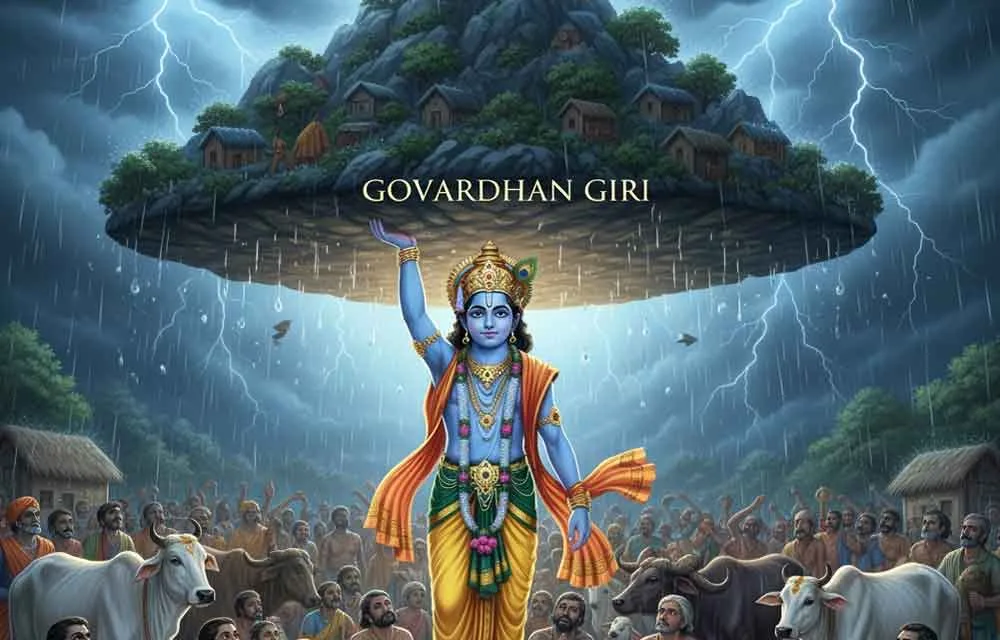
Kansa Vadh 2026 falls on Friday 20 November 2026, per Drik Panchang, the same date it lists Devutthana Ekadashi. Read the story of Krishna ending Kansa's rule in Mathura as commonly told, how Mathura marks the day with its Kansa Mela and effigy custom, and simple ways to observe it at home or abroad.
Quick answer: Kansa Vadh 2026 falls on Friday 20 November 2026 in India, per Drik Panchang. It remembers, as commonly told, the day Krishna ended the cruel rule of his uncle Kansa in Mathura. Drik Panchang lists Devutthana Ekadashi and the start of Bhishma Panchak on the same date. Mathura marks the day with its Kansa Mela, where an effigy of Kansa is the focus of a lively celebration.
This guide has been restored at its original hindutone.com address. The date below is from Drik Panchang for New Delhi. Outside India the date can differ by a day, so check Drik Panchang for your own city.
Kansa Vadh 2026 date
| Observance (India) | 2026 date |
|---|---|
| Akshaya Navami | Wednesday 18 November 2026 |
| Kansa Vadh | Friday 20 November 2026 |
| Devutthana Ekadashi / Bhishma Panchak begins | Friday 20 November 2026 |
| Guruvayur Ekadashi / Vaishnava Devutthana Ekadashi / Tulasi Vivah | Saturday 21 November 2026 |
| Kartika Purnima / Dev Diwali | Tuesday 24 November 2026 |
Source: Drik Panchang, New Delhi. Kansa Vadh is traditionally linked with the bright half (Shukla Paksha) of Kartika, a little before Ekadashi. We do not list muhurat clock times. For local tithi timings, check Drik Panchang for your city.
The story of Kansa Vadh
The story is told in the Bhagavata Purana and other texts, and is widely retold in Braj. The version below is the story as commonly told; details differ between tellings.
Kansa was the king of Mathura. He had imprisoned his own father, King Ugrasena, and taken the throne. At the wedding of his cousin Devaki to Vasudeva, a voice from the sky warned Kansa that Devaki's eighth child would be his death. In fear, Kansa threw Devaki and Vasudeva into prison and killed their children one after another.
When the eighth child, Krishna, was born at midnight, the prison doors opened and the guards fell asleep. Vasudeva carried the baby across the Yamuna to Gokul and left him with Nanda and Yashoda. Krishna grew up among the cowherds of Gokul and Vrindavan. Kansa sent demon after demon to kill him, but each one failed.
At last Kansa invited Krishna and his brother Balarama to Mathura for a great festival of the bow, planning to have them killed. Akrura, a devotee of Krishna, was sent to bring them. In Mathura, Krishna broke the great bow, overcame the royal elephant Kuvalayapida at the gate, and with Balarama defeated Kansa's champion wrestlers, Chanura and Mushtika, in the arena.
Then Krishna leapt onto the royal platform, pulled Kansa down and killed him. He freed Vasudeva and Devaki and restored Ugrasena to the throne. For devotees, the story shows that cruelty and fear cannot last, and that the Lord protects those who suffer.
Kansa Vadh in Mathura: the Kansa Mela
Mathura, Krishna's birthplace, is the heart of this festival. Each year the town holds a Kansa Mela. Speaking generally, the celebration includes:
- A procession: Devotees, often with children dressed as Krishna and Balarama, take part in a festive procession through the old town with music and chants of Krishna's names.
- The Kansa effigy: A large effigy of Kansa is made and becomes the focus of the celebration. In the tradition, the effigy is struck and brought down, re-enacting Krishna's victory, in a spirit similar to Ravana Dahan at Dussehra.
- The Chaturvedi community: The Chaturvedi (Chaube) Brahmin families of Mathura are traditionally closely tied to the celebration and take a leading part in the procession and festivities.
- Temple worship: Krishna temples in Mathura and Vrindavan hold special darshan, bhajans and readings of the story.
We do not list event times, routes or venues, because these are decided locally each year. If you plan to attend, follow announcements from the local administration and temple committees, and expect large crowds in the old town's narrow lanes.
How Kansa Vadh 2026 sits in the Kartika calendar
Kansa Vadh comes in the closing days of Kartika, one of the holiest months for Vaishnavas. In 2026 the week is especially busy. Drik Panchang lists Devutthana Ekadashi on the same Friday, when Vishnu is believed to wake from his four-month rest, and Bhishma Panchak, five days of special devotion, also begins. The next day, Saturday 21 November, Drik lists the Vaishnava Ekadashi, Guruvayur Ekadashi and Tulasi Vivah. The month ends with Kartika Purnima and Dev Diwali on Tuesday 24 November.
Families who fast on Ekadashi should follow their own tradition or local panchang for which day to fast and when to break the fast. Kansa Vadh itself is a festival of celebration rather than a fasting day.
How to observe Kansa Vadh at home
If you are not in Mathura, you can still mark the day simply:
- Bathe early and offer a lamp, tulsi leaves, flowers and a sweet such as makhan-mishri (butter and sugar) to Krishna.
- Read or tell the story of Krishna's journey to Mathura and the end of Kansa from the Bhagavata Purana, or a children's retelling.
- Chant 'Om Namo Bhagavate Vasudevaya' or the Hare Krishna maha-mantra, or sing a favourite Krishna bhajan.
- Reflect on the meaning: standing up to injustice, protecting the weak, and freeing others from fear.
Kansa Vadh for NRI families
- Check your local date: Use Drik Panchang for your city. Do not convert India's times.
- Temple programmes: Some ISKCON and Krishna temples abroad mark the end of Kartika with special programmes. Check your temple's own website or notice board.
- Teach children: The story is full of action, from the broken bow to the wrestling match. It works well as a bedtime story or a short family play.
- Connect the week: Kansa Vadh, Devutthana Ekadashi, Tulasi Vivah and Kartika Purnima fall within a few days of each other in 2026, so you can plan one week of Kartika devotion.
Frequently asked questions
When is Kansa Vadh 2026?
Kansa Vadh 2026 is on Friday 20 November 2026, per Drik Panchang for New Delhi. Drik lists Devutthana Ekadashi and the start of Bhishma Panchak on the same date.
What does Kansa Vadh mean?
Kansa Vadh means 'the slaying of Kansa'. It remembers the day, as commonly told, when Krishna ended the rule of his uncle Kansa, the tyrant king of Mathura, and freed his parents Vasudeva and Devaki.
Where is Kansa Vadh celebrated?
It is celebrated mainly in Mathura and the wider Braj region of Uttar Pradesh, where the story is set. Mathura holds a Kansa Mela, in which an effigy of Kansa is the centre of the celebration. Krishna temples elsewhere may also remember the day.
What is the role of the Chaturvedi community in Mathura?
The Chaturvedi (Chaube) community of Mathura is traditionally closely linked with the Kansa Vadh celebration and takes part in the procession and festivities. Details of the programme change from year to year, so follow local announcements.
Is Kansa Vadh the same as Devutthana Ekadashi?
No. They are different observances. Kansa Vadh remembers Krishna's victory over Kansa, while Devutthana Ekadashi marks Vishnu waking from his four-month rest. In 2026 Drik Panchang lists both on Friday 20 November.
Is the date the same outside India?
Not always. Tithis are calculated for each location, so the date abroad can differ by a day. Check Drik Panchang for your own city.
Editor's note
Editor's note (6 October 2026): This guide has been restored at its original address after the earlier version was lost. The dates are from Drik Panchang for New Delhi. We have not listed muhurat clock times, event times, routes or venues for the Kansa Mela; these are announced locally each year. The story is presented as commonly told, and customs vary between families and communities. Readers outside India should check Drik Panchang for their city.
Related guides
You might also like
Karwa Chauth 2026 in the UK: Date (Thursday 29 October) and Moonrise Time City by City
Karwa Chauth 2026 in Canada: Date (Wednesday 28 October) and Moonrise Time City by City
Karwa Chauth 2026 in the USA: Date (Wednesday 28 October) and Moonrise Time City by City