
Rama Ekadashi 2026: Date (5 November), Tithi Timings, Parana, Vrat Katha and Its Place in Diwali Week
Rama Ekadashi 2026 falls on Thursday 5 November in India, the day before Dhanteras and three days before Diwali. This guide gives the calculated Ekadashi tithi timings, the parana note for Friday 6 November, why the Ekadashi is named after Goddess Lakshmi, the story of Chandrabhaga and Shobhana as commonly told, fasting rules and advice for families abroad.
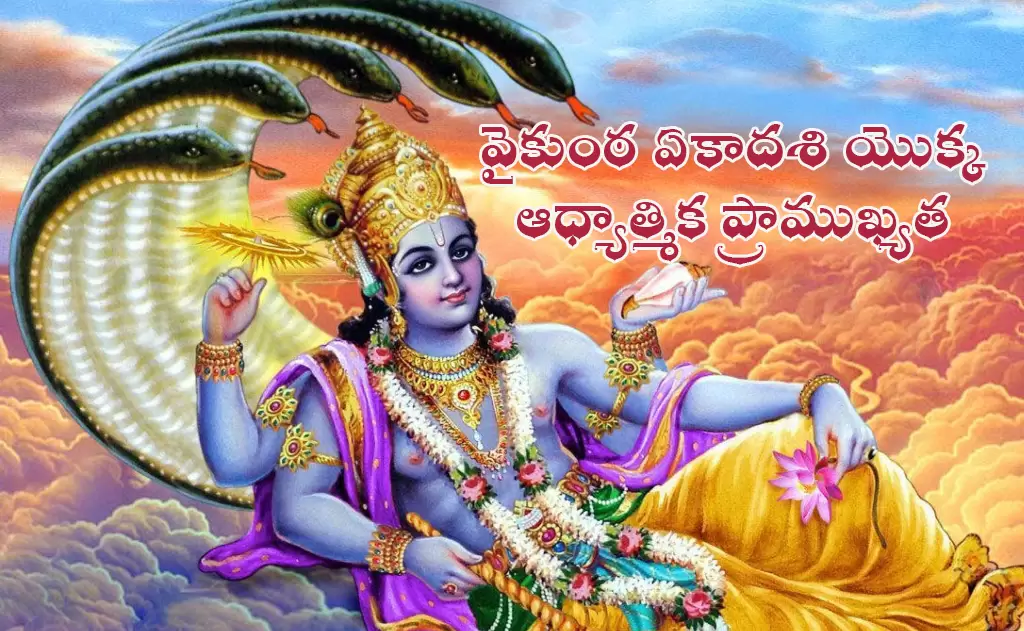
Rama Ekadashi 2026 falls on Thursday 5 November in India, the day before Dhanteras and three days before Diwali. This guide gives the calculated Ekadashi tithi timings, the parana note for Friday 6 November, why the Ekadashi is named after Goddess Lakshmi, the story of Chandrabhaga and Shobhana as commonly told, fasting rules and advice for families abroad.
Quick answer: Rama Ekadashi 2026 is observed on Thursday 5 November 2026 in India, the Ekadashi of the dark half (Krishna Paksha) of Kartika in the North Indian calendar, or Ashwin in the South Indian calendar. The Ekadashi tithi runs from about 11:04 AM IST on 4 November to about 10:36 AM IST on 5 November (calculated, confirm on Drik Panchang). The fast is broken (parana) on Friday 6 November in the morning, before Dwadashi ends (around 10:31 AM IST). Please check Drik Panchang for the exact parana window in your city.
Rama Ekadashi is the last Ekadashi before Diwali. Dhanteras follows on Friday 6 November and Diwali (Lakshmi Puja) on Sunday 8 November 2026, so for many families this fast opens the festival week. This guide explains the dates, the meaning of the name, the vrat katha as commonly told, the fasting rules and tips for observing it abroad.
Rama Ekadashi 2026 date and timings
| Event | Date and time (India) |
|---|---|
| Rama Ekadashi (fasting day) | Thu 5 Nov 2026 |
| Ekadashi tithi begins | ~11:04 AM IST, 4 Nov (calculated) |
| Ekadashi tithi ends | ~10:36 AM IST, 5 Nov (calculated) |
| Parana (breaking the fast) | Fri 6 Nov morning, before Dwadashi ends ~10:31 AM IST (check Drik for exact window) |
| Dhanteras | Fri 6 Nov 2026 |
| Diwali (Lakshmi Puja) | Sun 8 Nov 2026 |
The tithi times come from HinduTone's calculator, a method validated against Drik Panchang, but they are still calculated rather than copied from a published panchang. Please confirm them on Drik Panchang before you plan. The fast is kept on 5 November because Ekadashi is the tithi at sunrise that day, even though the tithi ends mid-morning.
These are India times. Do not convert them to another country's clock. Ekadashi and parana are fixed by local sunrise, so families abroad should look up the date and parana window for their own city.
Why it is called Rama Ekadashi
In this name, Rama is not Lord Rama of Ayodhya. It is one of the names of Goddess Lakshmi, the consort of Lord Vishnu, meaning 'the one who delights'. Rama Ekadashi is therefore a day to worship Vishnu together with Lakshmi.
The timing makes the link natural. The fast comes in the days just before Dhanteras and Diwali, when homes are cleaned and lamps are prepared to welcome Lakshmi. Many devotees see the fast as spiritual preparation for the festival of light.
Rama Ekadashi vrat katha (as commonly told)
The story is commonly told as a dialogue between Lord Krishna and King Yudhishthira, who asks about the Ekadashi of the dark fortnight before Diwali.
As the story is commonly told, there was once a righteous king named Muchukunda, a devotee of Lord Vishnu. He was so devoted to Ekadashi that he ordered everyone in his kingdom, even the animals, to fast on that day. His daughter Chandrabhaga had kept the Ekadashi fast faithfully since childhood.
Chandrabhaga was married to Shobhana, a prince who was physically weak. When Rama Ekadashi came while Shobhana was staying at his father-in-law's palace, he was worried, because he knew he could not bear hunger. Chandrabhaga told him gently that no one in her father's kingdom ate on Ekadashi, and that if he could not fast he might go elsewhere. Shobhana chose to keep the fast. By the next morning, weak from hunger and thirst, he died.
Because of the merit of the fast, Shobhana was reborn as the ruler of a splendid city on Mount Mandarachala. But he had fasted without full faith, so his kingdom was not permanent. A Brahmin from Muchukunda's kingdom saw him there on a pilgrimage and carried the news back to Chandrabhaga.
Chandrabhaga went to her husband and offered him the merit she had gathered from years of keeping Ekadashi with devotion. Through that merit his kingdom became stable, and the two lived there together in happiness.
The story is usually read as a lesson about faith and shared merit: an observance kept with sincere devotion carries great power, and a devoted spouse's good deeds can uplift the family. Versions differ in names and details across texts and families.
How to observe the Rama Ekadashi vrat
- Dashami (4 November): Eat a light sattvic meal before sunset. Many families avoid grains in the evening.
- Morning of Ekadashi (5 November): Bathe, clean the puja space and take a sankalpa (resolve) to keep the fast for Lord Vishnu and Goddess Lakshmi.
- Puja: Offer water, sandalwood, yellow and lotus-coloured flowers, tulsi leaves, a ghee lamp, incense and fruit to an image of Lakshmi-Narayana.
- Chanting: Read the Vishnu Sahasranama or the vrat katha, or chant Om Namo Bhagavate Vasudevaya. Some devotees also recite Lakshmi stotras.
- Evening: Light a lamp and spend some time in bhajan or quiet prayer. Some devotees stay awake in jagaran.
- Charity: Giving food or help to those in need is considered especially meritorious in this festival season.
- Parana (6 November): Break the fast in the morning after sunrise and before Dwadashi ends, ideally after offering food to the Lord. Check Drik Panchang for your city's exact window.
What to eat and what to avoid
Ekadashi fasting has several levels. Some devotees keep a nirjala fast without water, some take only water, and many keep a phalahar fast with fruit and milk. Choose what your health allows.
| Usually allowed (phalahar) | Usually avoided |
|---|---|
| Fruit, milk, curd, paneer | Rice, wheat and all grains |
| Nuts and dry fruit | Pulses and lentils |
| Sabudana (sago), potato, sweet potato | Onion and garlic |
| Kuttu (buckwheat) and singhara (water chestnut) flour | Non-vegetarian food and alcohol |
| Rock salt (sendha namak) | Ordinary table salt, in many families |
Health note: Fasting is not meant to harm the body. Elderly people, children, pregnant or nursing women, and anyone with diabetes, low blood pressure or another medical condition, or on regular medication, should consult a doctor and keep a lighter fast or a simple fruit-and-milk observance. Drink enough water unless you are certain a nirjala fast is safe for you.
Rama Ekadashi in Diwali week
In 2026 the order of the festival days is easy to remember. Rama Ekadashi is on Thursday 5 November, parana and Dhanteras both fall on Friday 6 November, and Diwali is on Sunday 8 November. Families who fast on Ekadashi can break the fast on Friday morning and then go on to the Dhanteras puja and Yama Deepam in the evening.
Because Dhanteras falls on the parana day, keep the parana meal simple and sattvic, and finish it within the Dwadashi window before turning to festival cooking and shopping.
Rama Ekadashi for families abroad
- Ekadashi is decided by local sunrise, so the date in the USA, Canada, UK, Australia or the Gulf can differ by a day from India. Check Drik Panchang for your own city.
- The parana window is also local. Use the parana time for your city, not the India time, and do not convert IST.
- If a working day makes a full fast hard, a phalahar fast with prayer in the morning and evening is a sincere way to keep the day.
- Many Hindu temples abroad hold Vishnu Sahasranama recitation on Ekadashi. Check your temple's official website for its programme.
- Tell children the story of Chandrabhaga and Shobhana. It is a simple way to explain faith, sacrifice and why we fast before Diwali.
Frequently asked questions
When is Rama Ekadashi 2026?
Rama Ekadashi 2026 is on Thursday 5 November 2026 in India, because the Ekadashi tithi prevails at sunrise that day. The tithi runs from about 11:04 AM IST on 4 November to about 10:36 AM IST on 5 November. These times are calculated, so please confirm them on Drik Panchang.
When should I break the Rama Ekadashi fast?
Parana is on Friday 6 November 2026 in the morning, before Dwadashi ends (around 10:31 AM IST, calculated). The exact parana window depends on your city's sunrise, so check Drik Panchang for your location.
Why is it called Rama Ekadashi?
Here Rama is a name of Goddess Lakshmi, the consort of Lord Vishnu, not Lord Rama of the Ramayana. Because the Ekadashi falls just before Diwali, when Lakshmi is worshipped, devotees honour both Vishnu and Lakshmi on this day.
Is Rama Ekadashi in Kartika or Ashwin?
Both names are correct. It is the Ekadashi of the dark half (Krishna Paksha). In the purnimanta calendar used in much of North India this fortnight belongs to Kartika, while in the amanta calendar used in South India, Maharashtra and Gujarat it belongs to Ashwin. The day is the same.
Can I drink water or eat fruit on Rama Ekadashi?
Yes, many devotees keep a phalahar fast with water, fruit, milk and nuts, avoiding grains and pulses. A nirjala (waterless) fast is a personal choice. Elderly people, children, pregnant women and anyone with diabetes or another health condition should not fast strictly and should consult a doctor first.
Is Rama Ekadashi on the same day in the USA, UK or Australia?
Not always. Ekadashi is decided by local sunrise, so the date abroad can differ by a day from India. Do not convert the India times; check Drik Panchang for your own city before you plan the fast and the parana.
Editor's note
Editor's note (6 October 2026): This guide has been restored at its original address after the earlier version was lost. The date given is the India date. Tithi times are calculated by HinduTone's calculator using a method validated against Drik Panchang; please confirm them, and the exact parana window for your city, on Drik Panchang. Dhanteras and Diwali dates are from Drik Panchang. The vrat katha is given as commonly told, and versions differ.
Related guides
You might also like
Dev Uthani Ekadashi and Tulsi Vivah 2026 in the UK: Date City-Wise, Smarta and Vaishnava Days, Puja at Home
Dev Uthani Ekadashi and Tulsi Vivah 2026 in Australia: Date City-Wise, Why It Is a Day Later Than India, Puja at Home
Dev Uthani Ekadashi and Tulsi Vivah 2026 in Canada: Date City-Wise, Smarta and Vaishnava Days, Puja at Home