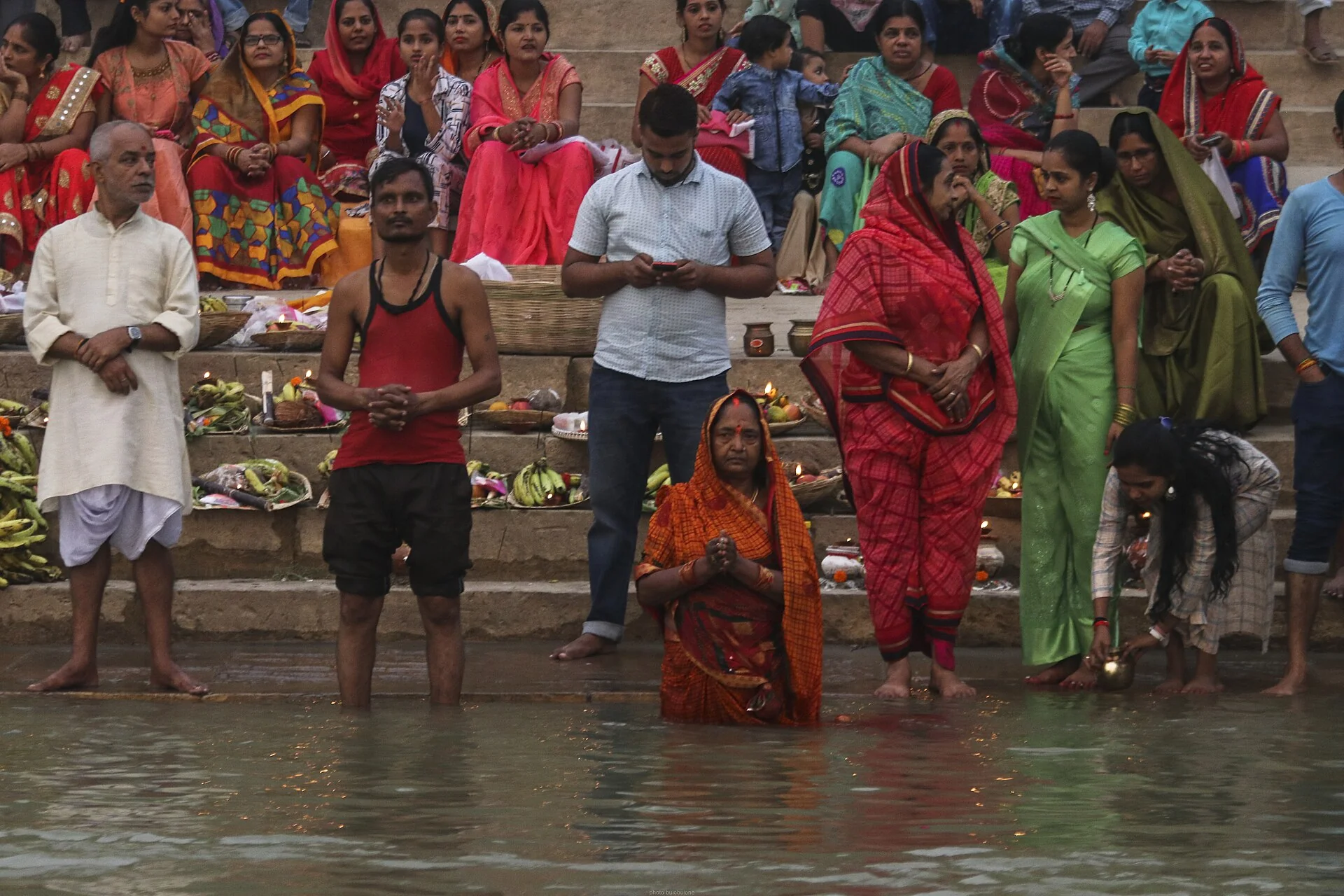
Karthika Pournami Celebrations in Germany 2026: City-Wise Guide to Rituals and Temples
Karthika Pournami (Kartika Purnima, Tripurari Purnima, Dev Deepawali) falls on Tuesday 24 November 2026 in Germany. Legends, rituals, a home deepam guide for German winters and the temples where communities gather, city by city.

Karthika Pournami (Kartika Purnima, Tripurari Purnima, Dev Deepawali) falls on Tuesday 24 November 2026 in Germany. Legends, rituals, a home deepam guide for German winters and the temples where communities gather, city by city.
Quick answer: Karthika Pournami 2026 falls on Tuesday 24 November 2026 in Germany. It is the full moon of Karthika Masam, which runs from 10 November to 8 December 2026 in the Telugu and Kannada calendar (Karthika Somavaram Mondays: 16, 23 and 30 November and 7 December). Lamps are lit at dusk, which in late-November Germany comes early in the afternoon. Because 2026 has an extra lunar month, the festival is about three weeks later than last year.
The divine festival of lights
Karthika Pournami, also called Kartika Purnima, Tripurari Purnima and Dev Deepawali (the gods' Diwali), is one of the most sacred full moons of the Hindu year. It is honoured by Shaivas and Vaishnavas alike, and its defining act is simple: lighting lamps.
For Hindu families in Germany, Tamil, Telugu, Kannada, North Indian, Afghan Hindu and others, it is a chance to bring light into the darkest weeks of the European year and to gather as a community. See our main Karthika Pournami 2026 guide for the full traditions.
Legends of Karthika Pournami
- Shiva as Tripurantaka: Lord Shiva destroyed the three flying cities of the demon Tripurasura with a single arrow, which is why the day is called Tripurari Purnima.
- Matsya avatar: Vaishnava tradition links the day with Vishnu's first incarnation as Matsya, the fish, who saved the Vedas from the deluge.
- Radha and Krishna: in Vaishnava lore, the rasa lila is celebrated under the Kartik full moon.
- Kartikeya: in parts of South India the day is associated with Lord Kartikeya (Murugan), son of Shiva.
Charity, lamps and prayer on this day are said to bring great merit, purifying past karma and inviting the blessings of Shiva and Vishnu.
Karthika Pournami 2026: dates for Germany
| Date (2026) | Observance in Germany |
|---|---|
| Sun 8 Nov | Diwali / Lakshmi Puja |
| Mon 9 Nov | Govardhan Puja |
| Tue 10 Nov | Bhai Dooj |
| 10 Nov (Indian panchang) | Karthika Masam begins (Telugu/Kannada amanta calendar) |
| Mon 16, 23, 30 Nov and 7 Dec | Karthika Somavaram (Monday fasts for Shiva) |
| Fri 20 Nov | Devuthani / Prabodhini Ekadashi |
| Sat 21 Nov | Tulsi Vivah |
| Tue 24 Nov | Karthika Pournami / Tripurari Purnima / Dev Deepawali |
| Tue 8 Dec | Karthika Amavasya; Karthika Masam ends |
Festivals follow the tithi at local sunrise, so always check Drik Panchang (or a panchang app) set to your German city rather than converting Indian times. Vaikuntha Chaturdashi, when Shiva and Vishnu are worshipped together, falls just before the full moon. More in Karthika Masam 2026, Karthika Somavaram 2026 and Tulsi Vivah 2026.
Essential rituals
Lighting lamps (deepam)
- Light lamps at dawn and especially at dusk; many families light 365 wicks on Pournami to cover every day of the year.
- Use ghee or sesame oil and cotton wicks, in clay or brass diyas from an Indian shop.
- Place lamps at the entrance, near the Tulsi plant and at the home altar.
Holy bath (snanam)
A dawn bath is central to Kartik. In Germany, shower before sunrise with a prayer, adding a few drops of Ganga jal if you have it, and chant "Om Namah Shivaya" or "Om Namo Narayanaya".
Fasting (vratam)
- Full fast: from sunrise until the evening puja or moonrise.
- Partial fast: fruit, milk and water only.
- Sattvic day: no grains, onion or garlic; one simple meal after the puja.
Children, the elderly, pregnant women and anyone with a medical condition should choose a lighter observance.
Puja and charity
Offer bilva leaves to Shiva and tulasi to Vishnu, with flowers, fruit, coconut, incense and camphor. Many families perform Satyanarayana vratam. Annadanam and daan (food, warm clothing or support for education) are especially meritorious; local food banks (Tafel) and temple kitchens are natural choices in Germany.
City-wise guide to temples and communities
Germany has a large Tamil Hindu community, as well as Telugu, Kannada, North Indian and Afghan Hindu families, and temples in many cities. Programmes, timings and events change every year, so check your local temple for its 2026 plans; we list only well-established places and do not reproduce past event schedules.
North Rhine-Westphalia
The Sri Kamadchi Ampal Temple in Hamm, built by the Tamil community and dedicated to Goddess Kamakshi, is one of the largest Hindu temples in Europe and a focal point for South Indian festivals. NRW also has Tamil temples and community centres in cities such as Essen and Dortmund, and Indian associations in Cologne and Düsseldorf.
Berlin
Berlin's diverse Indian community gathers at the Sri Ganesha Hindu Temple project in Neukölln (near Hasenheide), and at smaller temples and community rooms across the city. Sunset in Berlin is very early in November (about 4:24 PM on 8 November and earlier by Pournami), so evening programmes start early.
Lower Saxony and Hamburg
Hannover's Sri Muthumariamman Temple, run by the Tamil Hindu community, is one of the largest in northern Germany. Hamburg's Hindu temple, founded by the Afghan Hindu community, welcomes devotees from many backgrounds, and Bremen also has Tamil temples.
Hessen and the Frankfurt region
The Frankfurt area has a large Indian professional community and several temples and Indian associations. In the Taunus, the Bhakti Marga centre Shree Peetha Nilaya is known for its festival celebrations with puja, chanting and meditation. Sunset in Frankfurt is about 4:51 PM on 8 November.
Bavaria and Baden-Württemberg
Munich, Nuremberg, Stuttgart and the Heilbronn area all have Tamil and Indian temples or community associations that mark Karthika festivals. Sunset in Munich is about 4:45 PM on 8 November.
Other regions
Smaller cities may have community-hall gatherings or none at all; Indian associations, university groups and WhatsApp or Facebook community groups are the best way to find out what is planned. Home celebration is always an option.
Celebrating at home in Germany
For apartments and small spaces
- Check your building's rules on open flames; LED diyas are a safe alternative, with one real lamp on a fireproof tray if allowed.
- Use a compact altar on a shelf or table; a balcony works for lamps if sheltered from wind.
- Ventilate after burning camphor and incense, and keep smoke alarms working.
A simple day plan
- Before sunrise: bath with prayers, decorate the altar, light the morning lamp, read a little from the Bhagavad Gita or Shiva Purana.
- Daytime: work as normal while fasting or eating sattvic food; donate online or to a local Tafel.
- At dusk: light as many lamps as you can (365 wicks if you follow that custom), offer flowers, perform aarti and sing bhajans.
- Evening: share prasadam, view the full moon if the sky is clear, and video-call family in India.
Since 24 November is a Tuesday, many families also join a temple or community gathering the following weekend.
Traditional prasadam
- Festive: sweet or savoury pongal, vada, payasam or kheer, coconut laddus, kesari, and panakam (jaggery drink).
- Fasting-friendly: fruit, milk and curd, dry fruit and nuts, sabudana dishes and fruit salad.
Indian grocery shops in larger German cities, and online Indian grocers, stock jaggery, rava, sabudana, ghee, diyas and wicks; order well before the festival.
Tips for first-time visitors
- Dress modestly, preferably in traditional clothes, and remove shoes at the entrance.
- Arrive early, switch phones to silent and follow photography rules.
- Bring a small offering (fruit, flowers or a donation) and allow two to three hours for a festival visit.
- Dress warmly; queues and parking can be cold in late November.
- Non-Hindu friends and interfaith families are generally welcome; ask a volunteer if you are unsure.
The meaning of the lamp
The lamp dispels darkness as knowledge dispels ignorance. In a German November, when the sun sets by mid-afternoon, lighting a row of diyas is a powerful reminder of that teaching and a beautiful way to pass the tradition on to children growing up in Europe.
Frequently asked questions
When is Karthika Pournami 2026 in Germany?
Karthika Pournami (Kartika Purnima) is on Tuesday 24 November 2026 in Germany, the same date as in India. It falls within Karthika Masam, which runs from 10 November to 8 December 2026 in the Telugu and Kannada calendar.
What time should I light the Karthika deepam in Germany?
The main lamps are lit at dusk. Sunset in Germany in late November is early, around 4 to 4:30 PM depending on the city; check the sunset time for your city on the day, and use Drik Panchang set to your city for the Purnima tithi timing.
Is Karthika Pournami the same as Karthigai Deepam?
They are closely related festivals of light, but Tamil Karthigai Deepam follows the Tamil solar month of Karthigai and the Krittika star, so it can fall on a different day. Check your Tamil temple's calendar for the 2026 Karthigai Deepam date.
Can I use electric lamps in my apartment?
Yes. Many German apartments have strict fire rules. LED or electric diyas carry the same meaning; if it is safe, keep one small ghee or oil lamp on a fireproof tray at the altar and never leave it unattended.
Is a temple visit essential?
No. Home worship is fully valid. If you can reach a temple, check its 2026 programme in advance, as timings and events change every year.
Why is Karthika Pournami so late this year?
2026 has an extra lunar month (Adhik Maas), so Karthika Pournami falls about three weeks later in the Gregorian calendar than it did last year.
Editor's note (4 October 2026)
Updated for 2026. Dates follow Drik Panchang for Germany (Karthika Pournami Tuesday 24 November 2026; Diwali 8 November) and the Telugu amanta calendar for Karthika Masam. Sunset times are local for 8 November. We have removed the previous edition's tithi times, temple addresses and past event schedules, and dropped several listings we could not verify. Please check your local temple for its 2026 programme.
Related guides
You might also like

Gita Jayanti 2026 Prasad Recipes — Tulsi-Honoring Sweets, Krishna's Favourites & December 20 Bhog Plate
Maha Shivratri 2026 Vrat Recipes — Sabudana Khichdi, Singhada Halwa, Phalahara Foods Complete Fasting Guide
Karthika Masam 2026: Dates, Rituals, Vrat, Festivals & North vs South India Guide