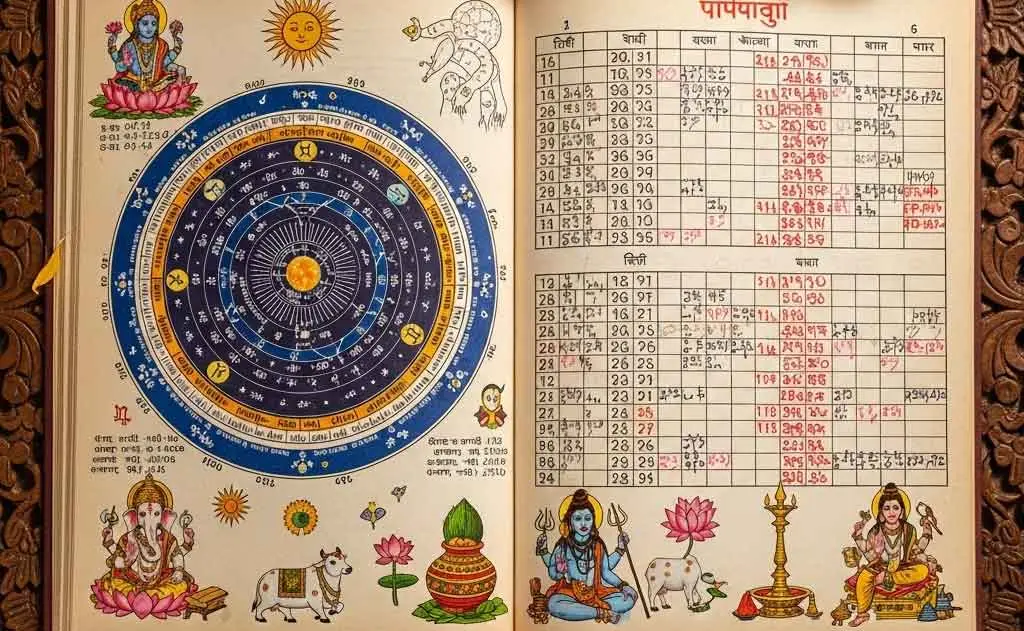
Must-Visit Hindu Temples in Malaysia During Diwali 2026: Complete Spiritual Guide
Deepavali 2026 falls on Sunday 8 November in Malaysia. A guide to ten must-visit Hindu temples, from Batu Caves and Sri Mahamariamman to Penang's Waterfall Hill Temple and the Johor Glass Temple, with etiquette and practical tips.
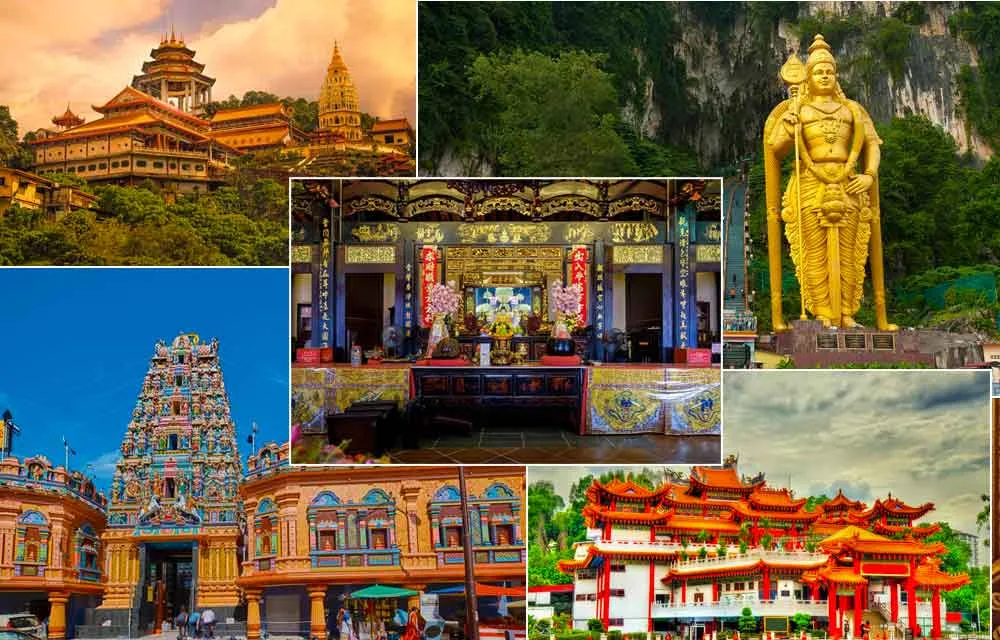
Deepavali 2026 falls on Sunday 8 November in Malaysia. A guide to ten must-visit Hindu temples, from Batu Caves and Sri Mahamariamman to Penang's Waterfall Hill Temple and the Johor Glass Temple, with etiquette and practical tips.
Quick answer: Deepavali 2026 in Malaysia is on Sunday 8 November, when Tamil Hindus take the dawn oil bath and visit the temple. Dhanteras falls on Friday 6 November, and for North Indian families Govardhan Puja is on Tuesday 10 November and Bhai Dooj on Wednesday 11 November. Lakshmi Puja is done in the Pradosh Kaal after local sunset (about 6:56 pm in Kuala Lumpur on 8 November); confirm the exact muhurat on Drik Panchang. Because 2026 has an extra lunar month, Deepavali is about three weeks later than last year.
Experience Deepavali at Malaysia's most sacred Hindu shrines
Deepavali in Malaysia is one of the most joyful public festivals in the country. Temples are decorated with flowers, oil lamps and lights, streets in Brickfields and Little India glow with bazaars, and families open their homes to friends of every faith. Whether you are a devout pilgrim or a curious traveller, Malaysia's Hindu temples offer an unforgettable festival experience.
During Deepavali the temples become spiritual hubs where Agamic rituals are performed from early morning, devotional songs fill the halls, devotees offer fruit, coconuts and flowers, prasadam is shared with all visitors, and the community gathers to celebrate the victory of light over darkness.
Top 10 must-visit Hindu temples in Malaysia for Diwali 2026
Opening hours and festival programmes change from year to year. Check each temple's official page or call ahead for 2026 Deepavali timings.
1. Batu Caves, Gombak, Selangor
About 13 km north of Kuala Lumpur, Batu Caves is a limestone hill with cave temples dedicated to Lord Murugan, guarded by a 42.7-metre golden Murugan statue, one of the tallest in the world. A climb of 272 colourful steps leads to the Temple Cave, a physical effort that doubles as a symbolic spiritual ascent. The complex also has the Ramayana Cave and the Cave Villa at the foot of the hill.
Tips: arrive early to avoid the heat and crowds, wear comfortable footwear for the climb, keep food out of sight of the monkeys, and cover shoulders and knees.
2. Sri Mahamariamman Temple, Kuala Lumpur
Founded in 1873 by community leader K. Thamboosamy Pillai, this is the oldest Hindu temple in Kuala Lumpur, on Jalan Tun H.S. Lee near Chinatown. Its five-tier rajagopuram is covered in sculpted deities in classic Dravidian style, and the temple houses the silver chariot used in the Thaipusam procession to Batu Caves. It was a spiritual refuge for early Indian migrants, who looked to Goddess Mariamman as their protector in a new land, and is a powerful place to receive blessings on Deepavali morning.
3. Arulmigu Balathandayuthapani Temple (Waterfall Hill Temple), Penang
Standing on a hill above Waterfall Road in George Town, this Murugan temple is reached by a long staircase of more than 500 steps and rewards devotees with sweeping views of the city. Tradition says a holy man chose the spot beside the waterfall to worship Murugan as Thanneermalaiyan, "he who dwells by the waterfall". The temple's tall rajagopuram follows South Indian temple design, and it is the focus of Penang's Thaipusam celebrations. Allow time for the climb and carry water.
4. Sri Shakti Devasthanam, Kuala Selangor
At Bukit Rotan in Kuala Selangor, this temple is renowned as the first to enshrine all 51 Shakti Peethas, the sacred forms of the Divine Mother, under one roof. Its rich sandstone-coloured structure, carved pillars depicting Hindu philosophy and tall rajagopuram were created by artisans from Mahabalipuram in India. In its quiet rural setting, Deepavali worship of the Goddess here is a moving experience.
5. Sri Kandaswamy Kovil, Brickfields, Kuala Lumpur
This century-old Murugan temple in Brickfields follows the Saiva Agama scriptures and is a spiritual home for the Sri Lankan Tamil community. Its South Indian architecture and many annual festivals, including Soorasamharam, make it a vibrant place at Deepavali. It is a short walk from the Brickfields Little India area and the Tun Sambanthan monorail station.
6. Shree Lakshmi Narayan Mandir, Kampung Kasipillay, Kuala Lumpur
Dedicated to Lord Vishnu and Goddess Lakshmi, this temple follows North Indian Vaishnava traditions. It is a natural choice for North Indian families who perform Lakshmi Puja on Diwali evening, with kirtan, Gita recitation and vegetarian prasadam in a peaceful setting.
7. Arulmigu Sri Rajakaliamman Glass Temple, Johor Bahru
The Tebrau Glass Temple, dedicated to Goddess Kali, is famous for interiors covered with hundreds of thousands of pieces of coloured glass and glass beads. On Deepavali evening the lamps and lights are reflected across every surface, turning the temple into a kaleidoscope. It is close to the Singapore border, making it easy to reach for visitors from Singapore. Remove footwear and handle decorations with care.
8. Sri Poyatha Moorthi Temple, Melaka
Built in 1781 by the Chitty community (Peranakan Indians) on Jalan Tokong, this Vinayagar temple is widely regarded as the oldest functioning Hindu temple in Malaysia. It stands on "Harmony Street" in Melaka's UNESCO-listed historic city, beside the Kampung Kling Mosque and the Cheng Hoon Teng Temple, a living symbol of Malaysia's multicultural heritage. Deepavali here has an intimate, family atmosphere rooted in Chitty traditions.
9. Sri Maha Muniswarar Temple, Prai, Penang
This Dravidian-style temple on the mainland side of Penang has a rajagopuram, a pillared mandapa and a sacred banyan tree at the entrance where devotees tie coloured cloth with their prayers. Muniswarar, a guardian deity, is worshipped for protection and prosperity.
10. Sri Sundararaja Perumal Temple, Klang
Known locally as the Klang Perumal Temple, this South Indian Vaishnava temple stands near Little India in Klang. Beautifully decorated deities, daily archana and a peaceful atmosphere make it a lovely place to seek Lord Perumal's blessings, followed by a walk through Klang's festive Little India.
Traditional rituals you will witness
- Oil bath (ganga snanam): performed at dawn at home on Deepavali morning before the temple visit.
- Abhishekam: sacred bathing of the deities with milk, honey, yogurt, ghee and water while mantras are chanted.
- Alankaram: deities adorned with fresh flowers, silk garments and garlands.
- Aarti: waving of lamps before the deities with bells and devotional songs.
- Prasadam: sweets, fruit and sacred ash shared with every devotee.
Temple clusters for easy temple-hopping
- Kuala Lumpur (one day): Batu Caves in the early morning, Sri Kandaswamy Kovil in Brickfields, Sri Mahamariamman Temple, and Shree Lakshmi Narayan Mandir in the evening.
- Penang (one day): Waterfall Hill Temple in the cool of the morning, then Sri Maha Muniswarar Temple in Prai.
- Selangor and Melaka (two days): Batu Caves and Sri Shakti Devasthanam on day one; the Klang Perumal Temple and Sri Poyatha Moorthi Temple on day two.
- Johor (half day): the Glass Temple, combined with a visit from or to Singapore.
Essential tips for visiting temples during Deepavali
Dress code and etiquette
- Men: long trousers and a shirt with sleeves.
- Women: modest clothing covering shoulders and knees; a saree, salwar or long skirt is ideal.
- Remove footwear at the designated area; some traditional temples prefer that leather items are left outside.
- Walk clockwise around the shrine (pradakshina) and avoid pointing your feet at deities or priests.
- Silence your phone, keep quiet near the sanctum, do not touch the deities, and accept prasadam with the right hand or both hands.
Best times to visit
Dawn is ideal for the special morning pujas, and the evening is when lamps and decorations are most spectacular. Mid-morning is usually less crowded. Deepavali day itself is extremely busy at major temples, so consider visiting on the days around the festival as well.
What to bring
- Modest clothing and a shawl
- A small bag for your shoes
- Cash for donations and archana tickets
- Water for outdoor areas and staircases
- Optional offerings: jasmine or marigold flowers, bananas or other fruit, a coconut (usually sold at temple stalls)
Photography
Gopurams, courtyards and decorations can usually be photographed, but photography of the inner sanctum, priests performing rituals and other devotees is often restricted. Always ask first.
Getting there
Batu Caves has its own KTM Komuter station on the line from KL Sentral, and is also reachable by bus or ride-hailing. In Kuala Lumpur, the monorail serves Brickfields and the LRT serves the Pasar Seni and Chinatown area. In Penang, buses and ride-hailing apps cover most temples, and George Town's heritage core is walkable. For Johor and Melaka, a car or organised day trip gives the most flexibility. Expect heavy traffic and limited parking around Deepavali, and check current fares and routes before you travel.
Weather in early November
Expect hot, humid days with temperatures typically around the high 20s to low 30s Celsius and frequent afternoon showers as the monsoon season begins. Pack light, breathable clothing, a small umbrella and sunscreen, and take care on wet temple floors and steps.
Beyond the temples: Deepavali food, bazaars and open houses
Brickfields and the Jalan Masjid India area in Kuala Lumpur, Little India in Klang and Little India in George Town fill with Deepavali bazaars selling sarees, jewellery, kolam powder, oil lamps and sweets. Look out for murukku, athirasam, ladoo, Mysore pak and banana-leaf meals at vegetarian restaurants near the temples.
One of Malaysia's loveliest traditions is the Deepavali open house, when Hindu families welcome friends and neighbours of every background to share food and festivities. If you receive an invitation from a colleague or friend, accept it graciously; it is the best way to experience Malaysian Deepavali from the inside. For organised cultural programmes, check with temples and Indian community associations for 2026 events.
Supporting the temples
Malaysia's Hindu temples rely on community donations. You can contribute through donation boxes, sponsor an archana or puja at the temple counter, or offer food for annadanam. Any amount is appreciated.
Frequently asked questions
When is Deepavali 2026 in Malaysia?
Deepavali 2026 is on Sunday 8 November in Malaysia, according to Drik Panchang. For Tamil Hindus this is the Naraka Chaturdashi morning of the oil bath and temple visit. It falls about three weeks later than last year because 2026 has an extra lunar month.
Can non-Hindus visit temples during Deepavali?
Yes. Malaysian Hindu temples warmly welcome visitors of all faiths. Dress modestly, remove footwear and follow the etiquette tips in this guide.
Do I need to book in advance to visit temples?
No booking is needed for an ordinary visit. If you wish to sponsor an archana or special puja, contact the temple office beforehand.
Are the temples wheelchair accessible?
It varies. Hill temples with long staircases, such as Batu Caves and the Waterfall Hill Temple in Penang, are challenging, while many city temples are at street level. Call ahead to check.
Can I accept prasadam if I am not Hindu?
Yes. Prasadam is offered to everyone as a blessing, and accepting it with your right hand or both hands is considered respectful.
How long should I allow for each temple?
Allow about an hour for smaller temples and two to three hours for large complexes like Batu Caves, especially on Deepavali when crowds are heavy.
Final thoughts: embrace the light
Visiting Hindu temples during Deepavali 2026 in Malaysia is more than sightseeing. Whether you climb the 272 steps of Batu Caves under Lord Murugan's golden gaze, watch the lamps reflected in the Glass Temple, or seek blessings at the historic Sri Poyatha Moorthi Temple, each visit is a reminder that light always overcomes darkness. Plan your route by region, respect the dress code, arrive early, and embrace the multicultural spirit of Malaysian Deepavali. Happy Deepavali!
Editor's note (4 October 2026)
This guide has been updated for 2026 with Drik Panchang dates for Malaysia. Temple opening hours, transport fares and restaurant listings from earlier editions have been removed because they change frequently; please confirm 2026 timings and programmes directly with each temple.
Related guides
You might also like
Gita Jayanti 2026 Prasad Recipes — Tulsi-Honoring Sweets, Krishna's Favourites & December 20 Bhog Plate
Shani Deva Temples Worldwide & Must-Performed Rituals — Complete Devotee's Guide
Maha Shivratri 2026 Vrat Recipes — Sabudana Khichdi, Singhada Halwa, Phalahara Foods Complete Fasting Guide