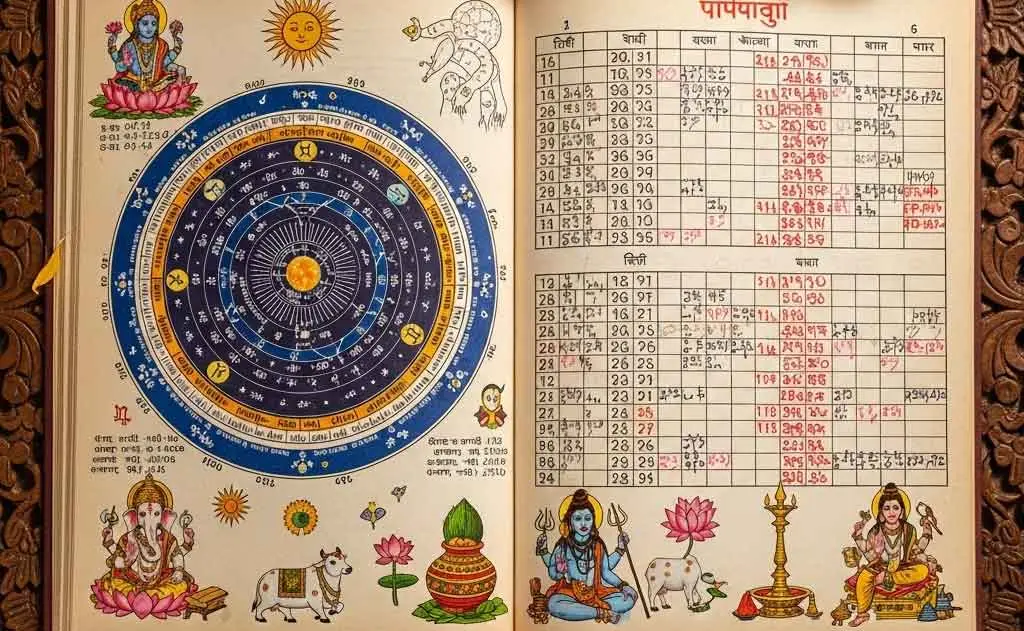
Diwali 2026 in Australia: Dates, Traditions and Celebrations Among Hindus
Diwali 2026 falls on Sunday 8 November across Australia, with Govardhan Puja on Tuesday 10 and Bhai Dooj on Wednesday 11 November. How Hindus in Sydney, Melbourne, Brisbane, Perth and Canberra celebrate.
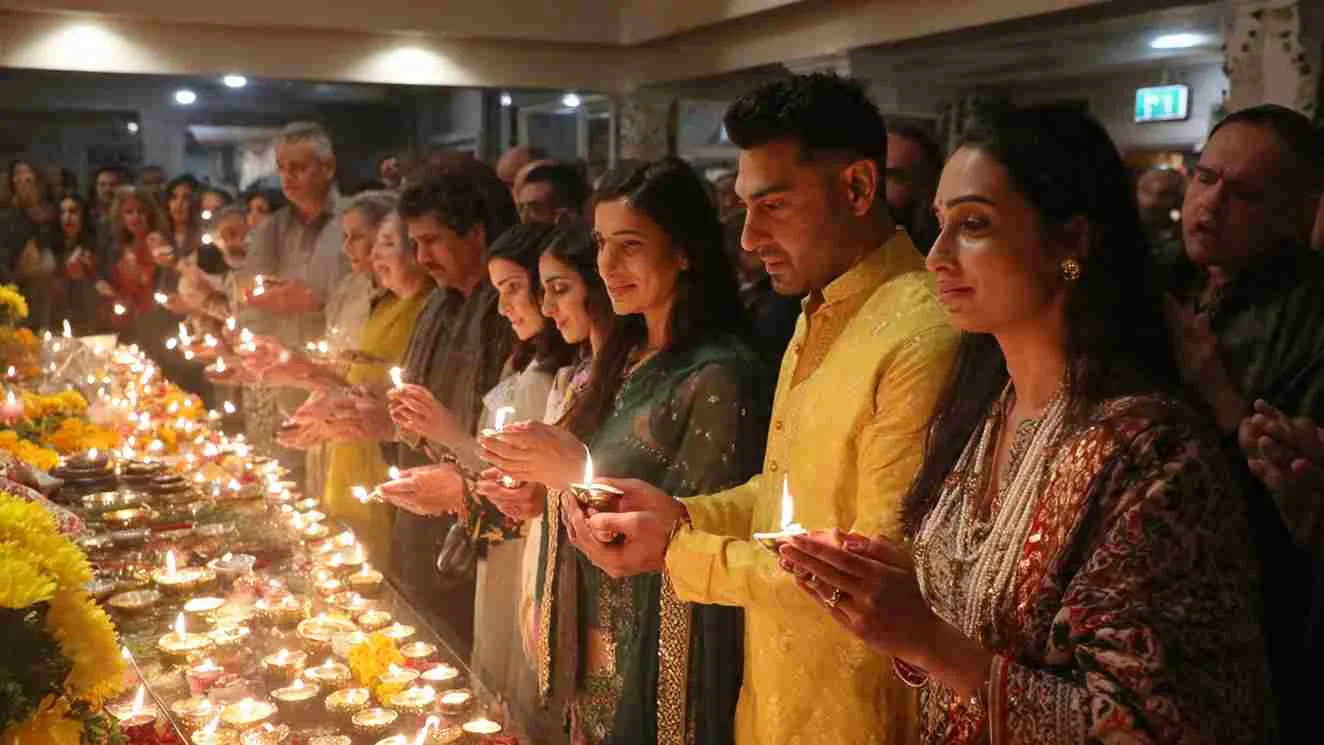
Diwali 2026 falls on Sunday 8 November across Australia, with Govardhan Puja on Tuesday 10 and Bhai Dooj on Wednesday 11 November. How Hindus in Sydney, Melbourne, Brisbane, Perth and Canberra celebrate.
Quick answer: Diwali 2026 in Australia is on Sunday 8 November 2026. Dhanteras is Friday 6 November, Narak Chaturdashi is observed on the morning of Sunday 8 November, Govardhan Puja is Tuesday 10 November and Bhai Dooj Wednesday 11 November. Lakshmi Puja is done after local sunset, about 7:29 PM in Sydney and 8:01 PM in Melbourne. Because 2026 has an extra lunar month, Diwali comes about three weeks later than last year, in late spring.
Diwali, or Deepavali, is the festival of lights. For Hindus in Australia it has grown from small family gatherings into one of the most visible celebrations in the country's multicultural calendar, with temple pujas, community fairs and council-run festivals in every major city. This guide explains the 2026 dates for Australia, how Diwali is celebrated in Sydney, Melbourne, Brisbane, Perth and Canberra, and how families keep the traditions alive at home.
Diwali 2026 calendar for Australia
| Festival | Date in Australia (2026) |
|---|---|
| Dhanteras | Friday 6 November |
| Narak Chaturdashi (Choti Diwali) | Sunday 8 November (morning) |
| Diwali / Lakshmi Puja | Sunday 8 November (evening) |
| Govardhan Puja / Annakut | Tuesday 10 November |
| Bhai Dooj | Wednesday 11 November |
Australia shares India's dates for Govardhan Puja and Bhai Dooj in 2026; families in the USA, UK and Europe observe them a day earlier. Narak Chaturdashi's early oil bath and Lakshmi Puja fall on the same day here.
Local sunset on Diwali (8 November 2026)
| City | Sunset on Dhanteras (6 Nov) | Sunset on Diwali (8 Nov) |
|---|---|---|
| Sydney | about 7:27 PM | about 7:29 PM |
| Melbourne | about 7:59 PM | about 8:01 PM |
| Brisbane | about 6:09 PM | about 6:11 PM |
| Perth | about 6:45 PM | about 6:47 PM |
Lakshmi Puja is done in the Pradosh Kaal after local sunset. Confirm the exact muhurat for your city on Drik Panchang rather than using a time calculated for India; Sydney and Melbourne will be on daylight saving time, which is why sunset is so late.
Why Diwali matters
Diwali celebrates Lord Rama's return to Ayodhya after the defeat of Ravana, and the welcome of Goddess Lakshmi into clean, lamp-lit homes. In South India it also marks Krishna's victory over the demon Narakasura. Across traditions the message is the same: light over darkness, knowledge over ignorance, good over evil.
For Australian Hindus the festival is also a cultural anchor. It is the day children learn the stories, grandparents visiting from India join the puja, and neighbours of every background are invited in for sweets. Organisations such as the Hindu Council of Australia have long worked to bring Diwali into public spaces so that the festival is shared with the wider community.
How Diwali is celebrated across Australia
Every year brings a mix of temple pujas, council and community festivals, and night markets in the weeks around Diwali. Exact events, venues and dates for 2026 are announced by organisers closer to the time, so check your local temple, council or association for 2026 programmes.
Sydney
Sydney has one of the largest Indian communities in the country, especially in Parramatta, Harris Park, Blacktown and the Hills district. Temples such as the Sydney Murugan Temple in Mays Hill hold Lakshmi pujas and group aartis, while community festivals in western Sydney and events organised by Hindu bodies bring food stalls, dance and music. Many families also do the puja at home and then visit friends with sweets.
Melbourne
Melbourne's Hindu community gathers at temples such as the Shri Shiva Vishnu Temple in Carrum Downs for elaborate pujas, and at community and council-run festivals that feature rangoli, dance performances and children's activities. Suburbs in the west and south-east have grown into busy hubs for Indian groceries and sweet shops before Diwali.
Brisbane, Perth and Canberra
Brisbane's temples hold Lakshmi Puja and cultural programmes, and Perth's long-running Indian community associations, including the Indian Society of Western Australia, have organised Diwali fairs for many years. In Canberra, the Hindu Mandir hosts pujas and bhajans over Diwali week. Adelaide, Hobart, Darwin and regional towns celebrate on a smaller scale, often with a shared community dinner and a home puja.
Sewa Diwali: giving back
A distinctly Australian tradition is Sewa Diwali, a nationwide drive in which Hindu volunteers collect food and essentials for local charities in the weeks around the festival. It reflects the Hindu value of seva, selfless service, and gives non-Hindu Australians a practical way to experience the spirit of Diwali. If you want to help in 2026, ask your temple or a community group how to get involved.
Traditional rituals in Australian homes
- Cleaning and decorating: homes are cleaned in the days before, and rangoli made with rice flour, coloured powder or flower petals greets guests at the door.
- Dhanteras shopping: gold, silver or a new utensil on Friday 6 November.
- Oil bath: an early-morning abhyanga snan on Narak Chaturdashi, which falls on Diwali morning itself in Australia this year.
- Lakshmi-Ganesha Puja: after sunset on Sunday 8 November, with the mantra "Om Shreem Hreem Shreem Kamale Kamalalaye Praseed Praseed Shreem Hreem Shreem Om Mahalakshmyai Namah" and the Lakshmi aarti.
- Lamps: clay diyas on balconies and doorsteps, and fairy lights. In bushfire-prone areas and during total fire bans, use LED diyas outdoors.
- Govardhan and Bhai Dooj: Annakut offerings on Tuesday 10 November and sibling tilak on Wednesday 11 November, often by video call with family in India.
Diwali falling on a Sunday makes it easier this year for families to do the evening puja together, but Govardhan Puja and Bhai Dooj land on working days, so plan an evening or the following weekend for those gatherings.
Family recipes for Diwali
- Besan laddoo: gram flour roasted slowly in ghee until fragrant, then mixed with powdered sugar, cardamom and chopped nuts and rolled into balls.
- Kaju katli: cashew paste cooked with sugar syrup, rolled thin and cut into diamonds.
- Samosa: crisp pastry filled with spiced potato and peas.
- Chakli and mathri: crunchy savoury snacks that keep well for visitors.
Many Australian families now make vegan or lower-sugar versions using local ingredients, such as coconut oil in place of ghee or dates in place of sugar, so friends with dietary needs can share in the sweets.
Celebrating responsibly
- Private fireworks are banned or tightly restricted in most states and territories; enjoy public displays at permitted events and light lamps at home.
- Use natural rangoli colours and reusable decorations.
- Respect total fire ban days if they apply in your area.
- Invite neighbours and colleagues; a plate of sweets and a short explanation of the lamps is the best way to share the festival.
Diwali and cricket
Diwali often falls during the Australian cricket season, and many families combine the festival with watching a match. Indian cricketers routinely share Diwali greetings with fans each year, and in Australia that adds to the festive mood for a sport-loving diaspora. Whatever is on screen, the lamps come first.
Frequently asked questions
When is Diwali 2026 in Australia?
Diwali / Lakshmi Puja is on Sunday 8 November 2026 across Australia. Dhanteras is Friday 6 November, Govardhan Puja Tuesday 10 November and Bhai Dooj Wednesday 11 November.
What time is Lakshmi Puja in Sydney and Melbourne?
Lakshmi Puja is done in the Pradosh Kaal after local sunset. On 8 November 2026 the sun sets at about 7:29 PM in Sydney, 8:01 PM in Melbourne, 6:11 PM in Brisbane and 6:47 PM in Perth. Confirm the exact muhurat for your city on Drik Panchang.
Why is Diwali so late in 2026?
The Hindu calendar is lunar. 2026 includes an extra lunar month (Adhik Maas), so Diwali and the festivals around it fall about three weeks later than last year.
Are fireworks allowed for Diwali in Australia?
Private fireworks are banned or tightly restricted in most Australian states and territories, so most families celebrate with diyas and fairy lights. Public fireworks are only part of permitted, organised events.
What festivals follow Diwali in Australia in 2026?
In Australia, Devuthani Ekadashi falls on Saturday 21 November and Tulsi Vivah on Sunday 22 November 2026; Kartika Purnima is Tuesday 24 November. Chhath Puja is observed from 13 to 16 November.
Editor's note (4 October 2026)
This article has been rewritten for 2026. Dates follow Drik Panchang for Australia and sunset times are local. Last year's specific events, attendance figures, donation totals, guest lists and cricketers' greetings were removed because they do not apply to 2026. For this year's programmes, check with your local temple, council or Indian association.
Related guides
You might also like
Gita Jayanti 2026 Prasad Recipes — Tulsi-Honoring Sweets, Krishna's Favourites & December 20 Bhog Plate
Shani Deva Temples Worldwide & Must-Performed Rituals — Complete Devotee's Guide
Maha Shivratri 2026 Vrat Recipes — Sabudana Khichdi, Singhada Halwa, Phalahara Foods Complete Fasting Guide