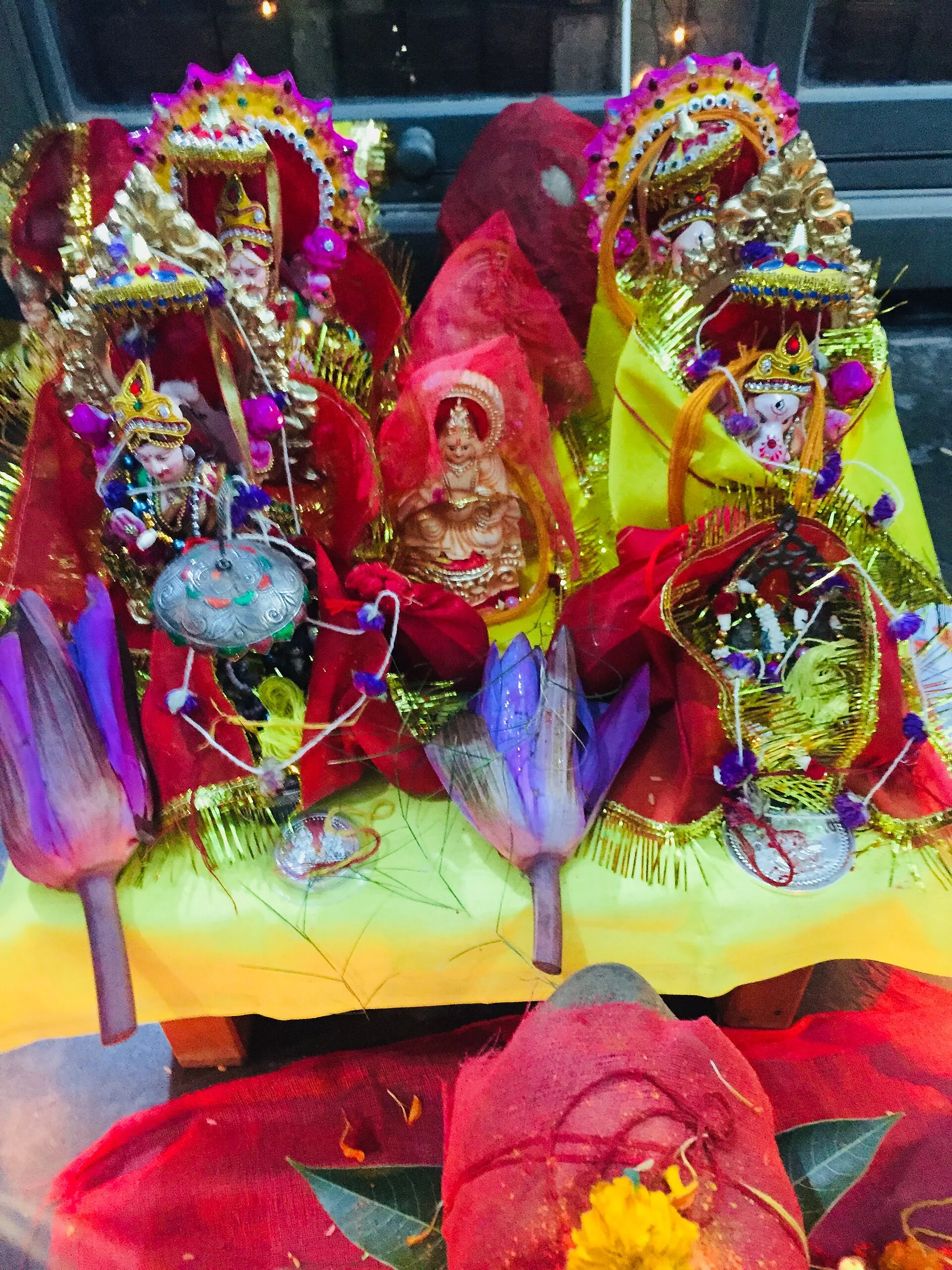
Shiva Temples to Visit During Karthika Masam 2026 in Nepal: Complete Pilgrim Guide
A 2026 pilgrim guide to Nepal's great Shiva temples for Karthika Masam, from Pashupatinath on the Bagmati to Halesi Mahadev, with Kartik Purnima on Tuesday 24 November 2026 and planning advice.
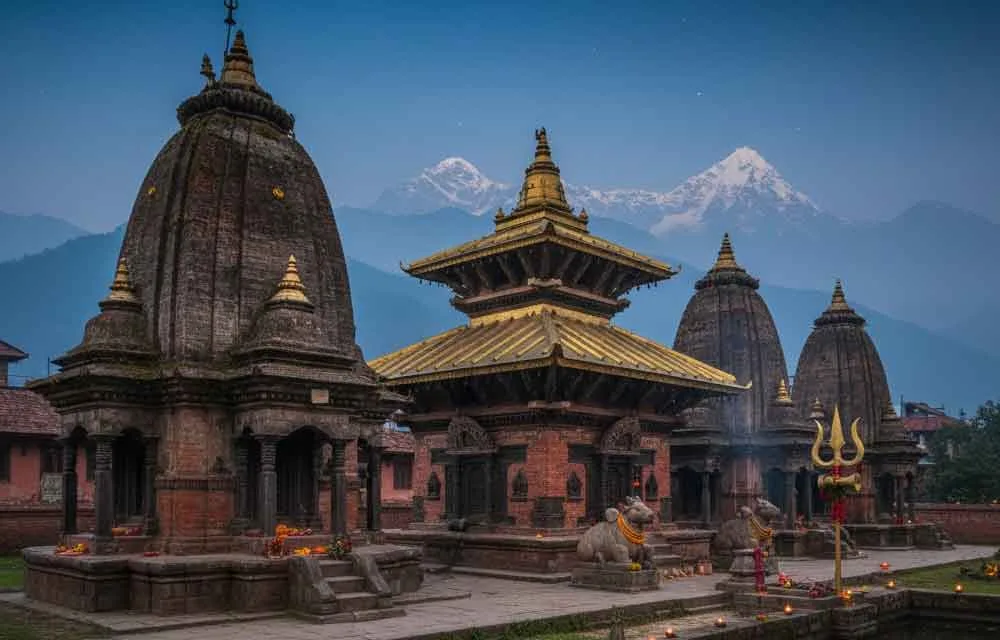
A 2026 pilgrim guide to Nepal's great Shiva temples for Karthika Masam, from Pashupatinath on the Bagmati to Halesi Mahadev, with Kartik Purnima on Tuesday 24 November 2026 and planning advice.
Quick answer: Karthika Masam 2026 runs from 10 November to 8 December 2026 in the Telugu and Kannada calendar, with Karthika Somavaram Mondays on 16, 23 and 30 November and 7 December. Nepal follows the purnimanta month, in which Kartik runs from about 26 October to Kartik Purnima on Tuesday 24 November 2026, the peak day at Pashupatinath. Tihar (Diwali) in Nepal falls on Sunday 8 November, with Bhai Tika on Wednesday 11 November. Because 2026 has an extra lunar month, all of these come around three weeks later than last year.
Why Celebrate Karthika Masam in Nepal?
Nepal is often called Pashupati Kshetra, the land of Lord Shiva as Pashupatinath, protector of all living beings. Around 81 per cent of Nepalis are Hindu, and Shiva worship runs through daily life, from village shrines to the great riverside temple complex in Kathmandu. For pilgrims, Karthika Masam here combines living tradition with the setting of the Himalayas, where Shiva is said to meditate.
- Sacred rivers: the Bagmati is revered in Nepal much as the Ganga is in India, and ritual bathing during Kartik is a long-standing custom.
- Living traditions: Vedic and tantric rites, Newar temple customs and family worship practices continue largely unchanged.
- World Heritage settings: Pashupatinath and Changu Narayan are part of the Kathmandu Valley UNESCO World Heritage Site.
- Hindu-Buddhist harmony: many shrines, such as Halesi and Muktinath, are sacred to both traditions.
- Sadhu culture: ascetics from across Nepal and India gather at Pashupatinath at important times of year.
Note that Nepal is today a secular federal republic, but Hindu festivals remain central to national life, and Kartik is one of the busiest pilgrimage months of the year.
Key Dates for Karthika Masam 2026 in Nepal
| Date (2026) | Observance |
|---|---|
| Sun 8 Nov | Laxmi Puja (Tihar / Diwali) in Nepal |
| Tue 10 Nov | Govardhan Puja; Karthika Masam begins in the amanta (Telugu/Kannada) calendar |
| Wed 11 Nov | Bhai Tika (Bhai Dooj) in Nepal |
| Mon 16 Nov | First Karthika Somavaram |
| Fri 20 Nov | Haribodhini (Devuthani) Ekadashi, a major day at Budhanilkantha |
| Mon 23 Nov | Second Karthika Somavaram |
| Tue 24 Nov | Kartik Purnima / Karthika Pournami: peak day at Pashupatinath; end of purnimanta Kartik |
| Mon 30 Nov | Third Karthika Somavaram |
| Mon 7 Dec | Fourth Karthika Somavaram |
| Tue 8 Dec | Karthika Amavasya: amanta Karthika Masam ends |
If you can only make one trip, plan to be in Kathmandu for the days around Tuesday 24 November. South Indian pilgrims who want to keep all four Somavaram Mondays should allow for a stay from mid-November to early December.
Kathmandu Valley: The Essential Shiva Temples
1. Pashupatinath Temple
Nepal's holiest Shiva shrine stands on the banks of the Bagmati in eastern Kathmandu. The pagoda-style temple, with its gilded roofs and silver doors, houses the famous mukhalinga with faces looking in the four directions. The present structure is generally dated to the late 17th century, though worship at the site is far older. By long tradition the chief priests are Bhatta Brahmins from Karnataka, a living link between Nepal and South India that many Telugu and Kannada pilgrims find moving.
The main courtyard is open only to Hindus. The wider complex holds hundreds of smaller shrines and lingams, the Arya Ghat cremation platforms, resident sadhus, monkeys and the forested Mrigasthali area. During Kartik, devotees bathe at the ghats in the early morning, offer lamps along the river and crowd the temple on Mondays. Kartik Purnima on 24 November 2026 is the busiest day, with lamps lit along the Bagmati in the evening.
- Go very early (before 6 AM) for the calmest darshan; expect long queues on Mondays and on Kartik Purnima.
- Dress conservatively, remove shoes and leather items where asked, and never photograph the sanctum or cremations without care and permission.
- Keep food and shiny objects out of sight because of the monkeys.
- Special pujas and abhishekams can be arranged through the temple; ask at the counters on arrival for current offerings and contributions.
- Combine with Guhyeshwari (a short walk away) and Boudhanath.
2. Guhyeshwari Temple
About a kilometre upstream on the Bagmati, Guhyeshwari is revered as one of the Shakti Peethas, where a part of Sati's body is said to have fallen. Pilgrims traditionally visit Guhyeshwari together with Pashupatinath, honouring Shiva and Shakti as one. The sanctum has no conventional idol and the atmosphere is quiet and esoteric. Entry to the inner courtyard is for Hindus only.
3. Doleshwor Mahadev, Bhaktapur District
In the village of Sipadol, around an hour from central Kathmandu, Doleshwor Mahadev is believed by many devotees to be the head of the Kedarnath Shiva, whose body is worshipped in the Indian Himalayas. Pilgrims who have visited Kedarnath often come here to complete the darshan. It is a small, peaceful village temple, much less crowded than Pashupatinath, and pairs well with a day in Bhaktapur.
4. Dakshinkali Temple
South of Kathmandu in a wooded gorge, Dakshinkali is dedicated to Kali, the fierce form of Shiva's consort. Animal sacrifice is offered here, especially on Tuesdays and Saturdays, which some vegetarian pilgrims find difficult. You can visit and offer flowers, sweets and incense without taking part. It is often combined with Pharping and Chobhar.
5. Jal Binayak, Chobhar
This Ganesha temple sits above the Chobhar gorge, linked in legend to the draining of the ancient Kathmandu lake. Beginning a pilgrimage with Ganesha before Shiva is traditional, and this is a quieter stop on the way to Dakshinkali.
6. Changu Narayan and Budhanilkantha (Vishnu shrines)
Karthika is sacred to both Shiva and Vishnu, and two Vishnu temples are worth adding. Changu Narayan, on a ridge near Bhaktapur, is among the oldest temples in the valley, with a Licchavi-era inscription and superb stone and wood carving; its courtyard also holds Shiva shrines. Budhanilkantha, north of the city, has a huge stone image of Vishnu reclining on the serpent Shesha in a water tank. It draws large crowds on Haribodhini (Devuthani) Ekadashi, when Vishnu is believed to awaken, which falls on Friday 20 November 2026 in Nepal.
Pokhara and Beyond
Tal Barahi Temple, Phewa Lake
A small two-tiered pagoda on an island in Phewa Lake, reached by a short boat ride, Tal Barahi honours the goddess Barahi. On clear evenings the Annapurna range glows behind the lake, and lamps on the water make Kartik Purnima especially beautiful here.
Bindhyabasini Temple, Pokhara
Pokhara's best-known Hindu temple sits on a hill in the old bazaar and is dedicated to the goddess Bindhyabasini, a form of Durga. It is less touristy than the lakeside and offers valley views.
Halesi Mahadev, Khotang
In eastern Nepal, the Halesi caves are revered as a place where Shiva and Parvati took refuge and meditated; Buddhists also honour the site. It is remote and needs a long road journey or a combination of flight and drive, so it suits dedicated pilgrims with time to spare.
Muktinath and Gosaikunda (weather permitting)
Muktinath (about 3,700 m) in Mustang, with its 108 water spouts and natural flame, is sacred to Hindus and Buddhists. Gosaikunda (about 4,380 m) in Langtang is linked with Shiva cooling the poison in his throat. Both are very cold by late November and Gosaikunda is often snowbound. Attempt them only with proper acclimatisation, local advice and flexible plans.
Suggested Itineraries
- Kathmandu Valley, 5 to 7 days: Pashupatinath at dawn and again on Kartik Purnima evening; Guhyeshwari and Boudhanath; Dakshinkali, Pharping and Chobhar; Bhaktapur with Changu Narayan and Doleshwor; Patan; Budhanilkantha.
- Nepal circuit, 10 to 12 days: four days in the Kathmandu Valley, three in Pokhara (Tal Barahi, Bindhyabasini), then optionally Lumbini before returning to Kathmandu.
- Somavaram pilgrimage: base yourself in Kathmandu from mid-November, keep each Monday (16, 23, 30 November and 7 December) at Pashupatinath, and make day trips in between.
Practical Information for Pilgrims
Visas and money
Indian citizens do not need a visa. Most other nationalities can get a tourist visa on arrival at Tribhuvan International Airport; check the current fees and requirements with the Nepal Department of Immigration. Carry Nepali rupees in small notes for temples, taxis and offerings. ATMs are common in Kathmandu and Pokhara, but cards are accepted mainly at hotels and larger shops. Entry charges for non-Hindu or foreign visitors apply at some heritage sites; confirm current amounts locally.
Accommodation, food and transport
Thamel in Kathmandu and Lakeside in Pokhara have accommodation at every level, and there are simple dharamshalas and guesthouses near Pashupatinath. Book early if you want to stay close to the temple around Kartik Purnima. Vegetarian food is easy to find, from dal bhat to Indian thalis. Taxis and ride-hailing apps work within the valley; agree the fare or use the meter. Kathmandu to Pokhara is a long road journey or a short domestic flight.
Weather and packing
November and early December bring clear skies and the best mountain views. Kathmandu days are pleasant but early mornings are cold, so bring warm layers for dawn darshan, modest clothing that covers shoulders and knees, comfortable shoes, a torch, sunscreen and a refillable bottle. Drink only bottled or treated water and choose freshly cooked food.
Temple etiquette
- Greet with "Namaste" and walk clockwise around shrines.
- Remove shoes and leather where asked; follow photography rules strictly, especially at cremation ghats.
- Respect local customs on entry, which may be stricter than you are used to.
- Offer a small dakshina to sadhus only if you wish, and be discerning.
- Some temples were damaged in the 2015 earthquake and parts may still be under restoration.
Frequently asked questions
When is Karthika Masam 2026?
In the Telugu and Kannada (amanta) calendar, Karthika Masam runs from 10 November to 8 December 2026. Nepal and North India follow the purnimanta reckoning, in which Kartik runs from roughly 26 October to Kartik Purnima on Tuesday 24 November 2026.
When is Kartik Purnima 2026 in Nepal?
Kartik Purnima (Karthika Pournami) falls on Tuesday 24 November 2026 in Nepal. It is the most important day of the month at Pashupatinath and along the Bagmati.
Can non-Hindus enter Pashupatinath Temple?
The main temple courtyard is open only to Hindus. Non-Hindu visitors can view the temple and the ghats from the eastern bank of the Bagmati. Rules can change, so follow the instructions of temple staff on the day.
Do Indian citizens need a visa for Nepal?
No. Indian citizens can enter Nepal with a valid passport or accepted government photo ID. Other nationalities can usually obtain a tourist visa on arrival; check the current rules and fees with the Nepal Department of Immigration before you travel.
Are Himalayan shrines like Muktinath and Gosaikunda open in late November?
They can be very cold, and snow can close trails and roads at Gosaikunda in particular. Treat them as optional, weather-dependent add-ons and plan Karthika Masam worship around the Kathmandu Valley.
Editor's note (4 October 2026)
This guide has been fully updated for Karthika Masam 2026. Dates come from Drik Panchang for Nepal and India. Event schedules, puja charges, entry fees and visa costs change from year to year, so we have removed them; please confirm 2026 arrangements directly with Pashupatinath Area Development Trust, the individual temples and the Nepal immigration authorities before you travel.
Related guides
You might also like
Karthika Purnima 2026: Significance, Rituals, and the Triple Festival Across Hindu, Sikh, and Jain Traditions
Shiva Vrats of June 2026: Kalashtami (June 8) & Masik Shivaratri (June 13)
Gayatri Jayanti 2026: Date, Gayatri Mantra, Puja Vidhi & Significance