
Bhimashankar Jyotirlinga Guide: Legend, Temple and Forest Pilgrimage in the Sahyadris
A guide to the Bhimashankar Jyotirlinga in the Sahyadri hills of Pune district, Maharashtra: the legend of Shiva and the demon Bhima, the stone temple and its Peshwa-era additions, the source of the Bhima river, the forest sanctuary, festivals and how NRI families can plan a visit.
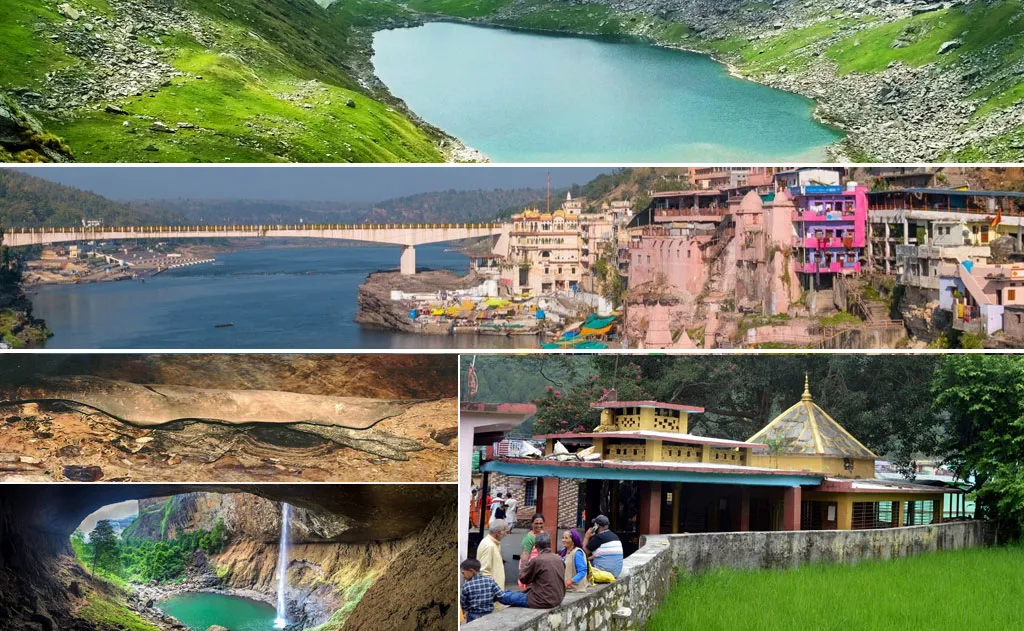
A guide to the Bhimashankar Jyotirlinga in the Sahyadri hills of Pune district, Maharashtra: the legend of Shiva and the demon Bhima, the stone temple and its Peshwa-era additions, the source of the Bhima river, the forest sanctuary, festivals and how NRI families can plan a visit.
Quick answer: Bhimashankar is one of the twelve Jyotirlingas of Lord Shiva, set in the forested Sahyadri hills of Khed taluk in Pune district, Maharashtra. According to tradition, Shiva destroyed the demon Bhima here and stayed on as the Jyotirlinga, and the Bhima river rises nearby. The stone temple is in the Nagara style, with additions from the Maratha and Peshwa period, and it sits within the Bhimashankar Wildlife Sanctuary, home of Maharashtra's state animal, the Indian giant squirrel. Maha Shivaratri and the Shravan month are the busiest times. Check the temple's official website for current timings.
Bhimashankar is the most accessible Jyotirlinga for families based in Pune or Mumbai, and many NRIs visiting Maharashtra combine it with other Jyotirlinga temples in the state. This guide covers the legend, the temple and the forest, and how to plan.
Bhimashankar at a glance
| Detail | Information |
|---|---|
| Deity | Shiva as Bhimashankar (Jyotirlinga) |
| Location | Sahyadri hills, Khed taluk, Pune district, Maharashtra |
| River | Source of the Bhima river, a tributary of the Krishna |
| Architecture | Nagara style, with Maratha and Peshwa-era additions |
| Setting | Bhimashankar Wildlife Sanctuary |
| Major festivals | Maha Shivaratri, Shravan Mondays, Karthika Purnima |
| Nearest city | Pune; Mumbai is further |
| Other Maharashtra Jyotirlingas | Trimbakeshwar, Grishneshwar, and others |
The legend of Bhimashankar
The best-known story comes from the Shiva Purana tradition. Bhima, the son of the giant Kumbhakarna, learned that his father had been killed by Lord Rama. Seeking revenge on Vishnu and his devotees, he performed intense penance to Brahma and gained great strength. He then conquered the worlds and began to persecute devotees, including a pious king who worshipped Shiva even in captivity.
When Bhima raised his sword against the king's lingam, Shiva appeared in a blaze of power and reduced the demon to ashes. The devas and sages begged Shiva to remain there for the welfare of the world, and he manifested as the Jyotirlinga of Bhimashankar.
A related tradition says that the sweat that poured from Shiva after the battle became the Bhima river, which rises in these hills and flows east across Maharashtra and Karnataka before joining the Krishna. Another legend links the site with Shiva's destruction of the demon Tripurasura.
A note on rival claims. As with some other Jyotirlingas, more than one place is identified as Bhimashankar in different traditions, including a temple in Assam. The Sahyadri temple is the one most widely recognised and visited, and it is the subject of this guide.
The temple and its architecture
The temple is a compact, beautifully carved stone structure in the Nagara style, set in a hollow among the hills. The lingam in the garbhagriha sits below the level of the hall, so devotees step down into the sanctum.
Much of the present appearance dates from the Maratha period. The Peshwa-era statesman Nana Phadnavis is credited with building the sabhamandap and shikhara in the eighteenth century, and the Maratha rulers supported the temple's worship. A large bell near the temple is associated with Chimaji Appa, brother of Peshwa Bajirao I, and is linked with the Maratha victory at Vasai over the Portuguese.
- The sunken sanctum with the Jyotirlinga.
- Carved stone walls with images of deities and scenes from the epics.
- The large bell associated with Chimaji Appa.
- The kund (tank) linked with the source of the Bhima river.
- Smaller shrines around the main temple.
The forest and nearby spots
Bhimashankar Wildlife Sanctuary protects evergreen and semi-evergreen forest of the Western Ghats. It is known for the Indian giant squirrel (shekru), Maharashtra's state animal, along with many birds, butterflies and plants. In the monsoon, the hills are wrapped in mist and streams run everywhere.
- Gupt Bhimashankar: a forest spot reached on foot where the Bhima river is said to emerge.
- Nagphani point: a viewpoint shaped like a cobra's hood, with views over the Konkan.
- Hanuman lake: a quiet spot in the forest near the temple.
- Bombay Point and other viewpoints: popular for sunrise and sunset views.
Follow sanctuary rules, avoid plastic and litter, and do not venture into the forest alone, especially in heavy rain.
Festivals at Bhimashankar
- Maha Shivaratri: the biggest festival, with night-long worship and huge crowds.
- Shravan month: Mondays (Shravan Somvar) attract thousands of devotees from Pune, Mumbai and beyond.
- Karthika month: lamp offerings and Karthika Purnima. See our Karthika Masam 2026 guide.
- Navratri and Dussehra: Navratri 2026 runs from 11 to 19 October, with Dussehra on Tuesday 20 October.
How to reach Bhimashankar
By air: Pune airport is the nearest; Mumbai's international airport is the more common arrival point for NRIs flying in from abroad.
By road: Bhimashankar is reached by a scenic hill road from Pune via Rajgurunagar (Khed) and Manchar. Maharashtra state buses run from Pune, and private taxis are widely available. From Mumbai, the drive is longer.
By rail: Pune is the nearest major railway station; continue by road.
On foot: Trekking routes climb from the Konkan side, but they are steep and should be attempted only with experienced groups and in suitable weather.
Planning tips for NRI families
- Leave Pune early to avoid traffic and crowds, especially on weekends.
- Expect steps between the parking area and the temple; plan for elderly parents.
- Carry rain gear in the monsoon and warm layers in winter.
- Avoid Shravan Mondays and Maha Shivaratri if you want a peaceful darshan.
- Combine the trip with Trimbakeshwar near Nashik and Grishneshwar near Ellora for a Maharashtra Jyotirlinga circuit.
- Use official counters for pujas and donations, and keep receipts.
Frequently asked questions
Where is Bhimashankar Jyotirlinga?
Bhimashankar is in the Sahyadri (Western Ghats) hills in Khed taluk of Pune district, Maharashtra. It is usually reached by road from Pune, and it is also within reach of Mumbai for a long day trip or overnight stay.
What is the story of Bhimashankar?
According to the Shiva Purana tradition, the demon Bhima, son of Kumbhakarna, gained great power through penance and began persecuting devotees of Shiva. Shiva appeared and destroyed him, and at the request of the devas and sages remained here as a Jyotirlinga. The sweat from Shiva's body after the battle is said to have formed the Bhima river.
Are there other temples that claim to be Bhimashankar?
Yes. Some traditions identify the Bhimashankar Jyotirlinga with a temple in Assam (near Guwahati) or with sites elsewhere. The Sahyadri temple in Pune district is the one most widely accepted and visited as the Jyotirlinga, especially in Maharashtra.
When is the best time to visit Bhimashankar?
The monsoon and the months after it are the most scenic, with waterfalls and mist, though roads can be slippery. Winter is pleasant and clear. Maha Shivaratri and Mondays of Shravan draw very large crowds.
Can I trek to Bhimashankar?
Yes, there are well-known trekking routes from the Konkan side, but they are steep and can be dangerous in heavy rain. Trek with experienced groups, avoid trekking alone and follow forest department rules.
Editor's note
Editor's note (5 October 2026): This guide has been restored at its original address after the earlier version was lost. It covers well-established facts about Bhimashankar's legend, architecture, setting and festivals, and notes where traditions differ. We have not listed darshan timings, puja fees or contact details; please check the temple's official website and local road conditions before you travel.
Related guides
You might also like
Omkareshwar Jyotirlinga Guide: Legend, Mamleshwar, Parikrama and Visiting Tips
Trimbakeshwar Jyotirlinga Guide: Legend, Godavari's Source, Rituals and Visiting Tips
Ramanathaswamy Temple Guide: Rameswaram Jyotirlinga, 22 Theerthams and the Great Corridor