
North Indian Diwali Sweets 2026: Mawa Gujiya, Mathri, Coconut Ladoo and Kaju Katli
Home recipes for four North Indian Diwali favourites: mawa gujiya with a no-khoya variation, flaky ajwain mathri, coconut ladoo with condensed milk or sugar, and kaju katli, with tips for each, substitutions and storage.
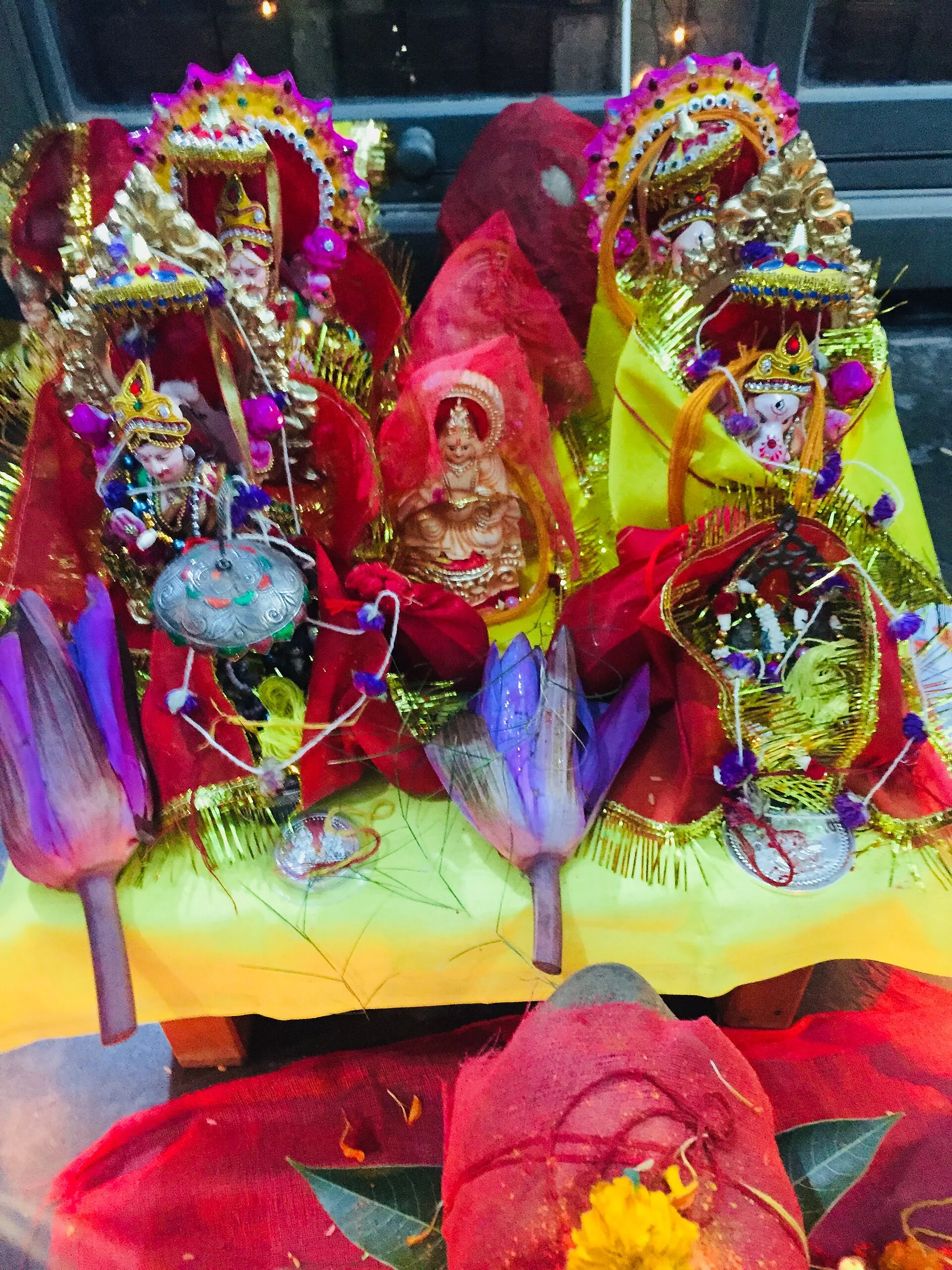
Home recipes for four North Indian Diwali favourites: mawa gujiya with a no-khoya variation, flaky ajwain mathri, coconut ladoo with condensed milk or sugar, and kaju katli, with tips for each, substitutions and storage.
Quick answer: Four reliable North Indian Diwali sweets and snacks to make at home are mawa gujiya (crisp pastries filled with khoya, nuts and coconut, with a no-khoya version), mathri (flaky ajwain crackers), coconut ladoo (with condensed milk or sugar) and kaju katli (cashew fudge). The keys: seal gujiyas firmly and fry gently, fry mathri slowly on low heat, and cook kaju katli syrup to one-string consistency. Diwali 2026 is on Sunday 8 November (Drik Panchang).
For the festival itself, see our Diwali / Deepavali 2026 complete 5-day guide, and for more dishes, our Diwali sweets recipes 2026 page.
Diwali sweets in North Indian homes
In many North Indian families, homemade sweets and namkeen are prepared in the days before Diwali, offered at the evening Lakshmi Puja and exchanged in boxes with relatives, neighbours and colleagues. Gujiya and mathri are the classic homemade pair, while kaju katli is a favourite gift sweet. Customs vary by family and region.
| Day | India | USA, Canada and UK |
|---|---|---|
| Dhanteras | Friday 6 November | Friday 6 November |
| Naraka Chaturdashi (Choti Diwali) | Sunday 8 November | Saturday 7 November |
| Diwali (Lakshmi Puja) | Sunday 8 November | Sunday 8 November |
| Govardhan Puja | Tuesday 10 November | Monday 9 November |
| Bhai Dooj | Wednesday 11 November | Tuesday 10 November |
Dates per Drik Panchang. For evening puja timings, see Diwali 2026 date and Lakshmi Puja muhurat, and for the puja steps, the Lakshmi Puja vidhi 2026. A practical plan: fry mathri first, as it keeps longest, then gujiya, and make coconut ladoo and kaju katli a day or two before Lakshmi Puja.
The recipes
Quantities, timings and yields are approximate, and every family has its own version.
Mawa Gujiya (with a No-Khoya Variation)
Crisp, crimped half-moon pastries filled with roasted khoya, sugar, coconut and nuts. A festive favourite in many North Indian homes for Holi and Diwali.
Prep: about 50 minutes, including dough resting. Cook: about 45 minutes. Makes: About 18 to 20 gujiyas (approximate).
Ingredients
- For the dough: 2 cups (250 g) maida (plain flour)
- 1/4 cup (55 g) ghee, melted
- A pinch of salt
- About 1/2 cup (120 ml) water
- For the filling: 200 g khoya (mawa), crumbled or grated
- No-khoya option: 1 cup (100 g) milk powder, 2 tablespoons ghee and 1/4 cup (60 ml) milk, cooked into a quick mawa
- 1/2 cup (60 g) powdered sugar
- 2 tablespoons desiccated coconut
- 2 tablespoons chopped almonds and cashews
- 1 tablespoon raisins
- 1/2 teaspoon cardamom powder
- Ghee or oil for deep-frying
Method
- Rub the melted ghee and salt into the maida until a handful holds its shape when pressed. Add water gradually and knead to a firm, smooth dough. Cover and rest for 30 minutes.
- Roast the khoya in a heavy pan on low heat for 5 to 7 minutes, stirring, until it turns pale cream and loosens. Let it cool.
- No-khoya option: warm the ghee and milk, add the milk powder and stir on low heat for 3 to 4 minutes until it forms a soft, crumbly mass. Cool and use in place of khoya.
- When the mawa is cool, mix in the powdered sugar, coconut, nuts, raisins and cardamom.
- Divide the dough into small balls and roll each into a thin round about 10 cm across.
- Place a spoon of filling on one half, moisten the edge with water, fold and press to seal. Crimp the edge by hand or trim it in a gujiya mould.
- Keep shaped gujiyas under a damp cloth while you finish the rest.
- Fry a few at a time on low to medium heat for 6 to 8 minutes, turning, until crisp and light golden.
- Drain on a rack and cool completely before storing.
Tips: Roll the pastry thin but not paper-thin, and do not overfill. Frying on low heat gives a crisp shell with tiny blisters; hot oil browns the outside and leaves the inner layers soft. Cool the filling fully before shaping, or the sugar melts and leaks.
Mathri (Flaky Savoury Crackers)
Flaky, buttery discs of maida with ajwain and black pepper, fried slowly until crisp. Often served with tea and pickle through the Diwali week.
Prep: about 25 minutes, including resting. Cook: about 40 minutes. Makes: About 25 mathris (approximate).
Ingredients
- 2 cups (250 g) maida
- 1/4 cup (55 g) ghee or oil
- 1 teaspoon ajwain (carom seeds), crushed between your palms
- 1 teaspoon coarsely crushed black pepper
- 1 tablespoon kasuri methi (optional)
- 3/4 teaspoon salt, or to taste
- About 1/2 cup (120 ml) cold water
- Oil for deep-frying
Method
- Mix the maida, ajwain, pepper, kasuri methi and salt in a bowl.
- Add the ghee or oil and rub it in well until a handful of flour holds together when squeezed.
- Add cold water a little at a time and bring it together into a stiff dough. Do not knead it smooth. Cover and rest for 15 minutes.
- Pinch off small balls and roll or press them into rounds about 5 cm across and 3 to 4 mm thick.
- Prick each round several times with a fork so it does not puff.
- Put the mathris into warm (not hot) oil and fry on low heat for 12 to 15 minutes, turning now and then, until golden and crisp.
- Drain and cool completely before storing.
Tips: The fat test matters most: after rubbing in the ghee, squeeze a handful of flour; it should hold its shape. Low, slow frying gives the flaky layers. For a variation, replace a quarter of the maida with fine semolina or atta.
Coconut Ladoo (Condensed Milk or Sugar)
Soft, fragrant coconut laddus made quickly with condensed milk, or the traditional way with fresh coconut, sugar and milk.
Prep: about 10 minutes. Cook: about 15 minutes. Makes: About 14 to 16 ladoos (approximate).
Ingredients
- Condensed milk version: 2 cups (about 160 g) desiccated coconut, plus 2 tablespoons for rolling
- 1 tablespoon ghee
- About 3/4 cup (200 g) sweetened condensed milk
- 1/4 teaspoon cardamom powder
- Sugar version: 2 cups (about 160 g) fresh grated coconut, 3/4 cup (150 g) sugar, 1/2 cup (120 ml) milk, 1 teaspoon ghee and 1/4 teaspoon cardamom powder
- Chopped pistachios or cashews to garnish (optional)
Method
- Condensed milk version: warm the ghee in a non-stick pan, add the coconut and roast on low heat for 2 minutes.
- Pour in the condensed milk and stir on low heat for 5 to 7 minutes until the mixture thickens and starts to leave the sides of the pan.
- Sugar version: cook the fresh coconut, sugar and milk together on medium-low heat, stirring, for 12 to 15 minutes until thick and almost dry, then add the ghee.
- Stir in the cardamom and take the pan off the heat. Let the mixture cool until warm enough to handle.
- Shape into small balls with greased palms and roll them in desiccated coconut or press a nut on top.
Tips: Stop cooking as soon as the mixture leaves the sides of the pan; overcooking makes dry ladoos. Desiccated coconut ladoos keep longer than fresh coconut ones.
Kaju Katli (Cashew Fudge)
Thin, smooth diamonds of ground cashews cooked in sugar syrup. One of the most popular Diwali gift sweets, and easier at home than it looks.
Prep: about 10 minutes. Cook: about 15 minutes. Makes: About 18 to 20 pieces (approximate).
Ingredients
- 1 cup (150 g) cashews, at room temperature
- 1/2 cup (100 g) sugar
- 1/4 cup (60 ml) water
- 1 teaspoon ghee
- A pinch of cardamom powder (optional)
Method
- Grind the cashews to a fine powder in short pulses, stopping as soon as it is powdery, so the cashews do not release oil. Sieve and regrind any coarse bits.
- Boil the sugar and water, stirring until the sugar dissolves, then cook to one-string consistency: a drop pressed between thumb and finger, after cooling for a moment, pulls into a single thread.
- Turn the heat to low and add the cashew powder. Stir continuously for 3 to 5 minutes until it forms a soft mass that comes away from the pan.
- Turn the mixture onto a greased plate or parchment and let it cool for a few minutes until you can handle it.
- Add the ghee and cardamom and knead gently into a smooth dough.
- Roll it between two sheets of parchment to about 5 mm thick.
- Cut into diamonds while still slightly warm. Let them set for 30 minutes before separating.
Tips: Use room-temperature cashews and pulse briefly. Test the dough by rolling a small piece: it should be smooth and non-sticky. Edible silver leaf (varq) is optional decoration.
Substitutions
| Ingredient | Substitute | Note |
|---|---|---|
| Khoya | Milk powder mawa or ricotta cooked until dry | Ricotta: cook in a pan until crumbly |
| Maida | Half maida, half fine atta | Denser, slightly darker |
| Condensed milk | Sugar and milk (see recipe) | Takes longer to cook |
| Cashews in kaju katli | Blanched almond flour | Makes a badam katli |
| Ghee for frying | Neutral oil | Ghee adds aroma; oil is fine |
Tips for families abroad
- Frozen khoya, gujiya moulds and Indian sweetened condensed milk are sold in most Indian grocery stores in the USA, UK, Canada and Australia; any sweetened condensed milk from a supermarket works.
- Kaju katli and mathri pack and post well for friends and colleagues; khoya gujiya is best eaten within a few days.
- In North America and the UK, Choti Diwali falls on Saturday 7 November, a good day for a family cooking session before Lakshmi Puja on Sunday.
Storage
- Mawa gujiya: about 5 to 7 days airtight in a cool place; refrigerate in warm weather. Gujiyas with dry semolina-coconut filling keep about 2 weeks.
- Mathri: about 2 to 3 weeks in an airtight jar at room temperature.
- Coconut ladoo: about 4 to 5 days in the fridge (condensed milk version); fresh coconut versions 2 to 3 days.
- Kaju katli: about 1 week airtight at room temperature, a little longer in the fridge.
Frequently asked questions
Can I make gujiya without khoya?
Yes. Make a quick mawa from milk powder, ghee and milk as shown in the recipe, or use a dry filling of roasted semolina, desiccated coconut, powdered sugar and nuts, which also keeps longer.
Why do my gujiyas open in the oil?
Usually the edges were not sealed firmly, the filling was too moist, or the gujiyas were overfilled. Moisten the edge with water, press well and crimp, and fry on gentle heat rather than very hot oil.
Why is my mathri hard instead of flaky?
Too little fat in the dough, over-kneading or frying on high heat. The flour should hold its shape when squeezed after rubbing in the ghee; bring the dough together without kneading it smooth, and fry slowly on low heat.
Why is my kaju katli crumbly or sticky?
Crumbly kaju katli was cooked too long; knead in a teaspoon of milk while warm. Sticky kaju katli was undercooked; return it to the pan on low heat for another minute. Grinding the cashews too long releases oil and makes the dough greasy.
How long do these Diwali sweets keep?
Approximately: mathri 2 to 3 weeks airtight, mawa gujiya 5 to 7 days in a cool place (refrigerate in warm weather), kaju katli about 1 week, and coconut ladoo 4 to 5 days in the fridge (fresh coconut versions 2 to 3 days).
When is Diwali in 2026?
Per Drik Panchang, Diwali (Lakshmi Puja) is on Sunday 8 November 2026 in India and in the USA, Canada and the UK. Dhanteras is on Friday 6 November, Govardhan Puja on Tuesday 10 November and Bhai Dooj on Wednesday 11 November in India.
Editor's note (8 October 2026)
We wrote this page on 8 October 2026. Dates follow Drik Panchang by country: in India, Dhanteras on Friday 6 November, Naraka Chaturdashi and Lakshmi Puja on Sunday 8 November, Govardhan Puja on Tuesday 10 November and Bhai Dooj on Wednesday 11 November 2026. Recipes are standard home versions; quantities, timings, yields and shelf life are approximate.
Related guides
- Maharashtrian Diwali faral: chakli, shankarpali and karanji
- Telugu Deepavali recipes: ariselu and kajjikayalu
- Tamil Deepavali recipes: murukku and adhirasam
- Diwali 2026 recipes: 35 traditional sweets and snacks
- Dhanteras 2026
- Naraka Chaturdashi 2026
- Lakshmi Puja 2026
- Govardhan Puja and Annakut 2026
- Bhai Dooj 2026
You might also like
Maharashtrian Diwali Faral 2026: Bhajani Chakli, Shankarpali, Karanji and Besan Ladoo
Saddula Bathukamma 2026 Saddulu Recipes: Lemon, Tamarind, Coconut, Curd and Sesame Rice
Telugu Deepavali Recipes 2026: Ariselu, Kajjikayalu, Gavvalu and Chekkalu