
Telugu Deepavali Recipes 2026: Ariselu, Kajjikayalu, Gavvalu and Chekkalu
Four Telugu Deepavali classics for 2026: ariselu from soaked rice flour and jaggery, coconut-semolina kajjikayalu, jaggery-coated gavvalu and crisp chekkalu, with jaggery syrup stages explained simply, substitutions and storage for cooks in India and abroad.
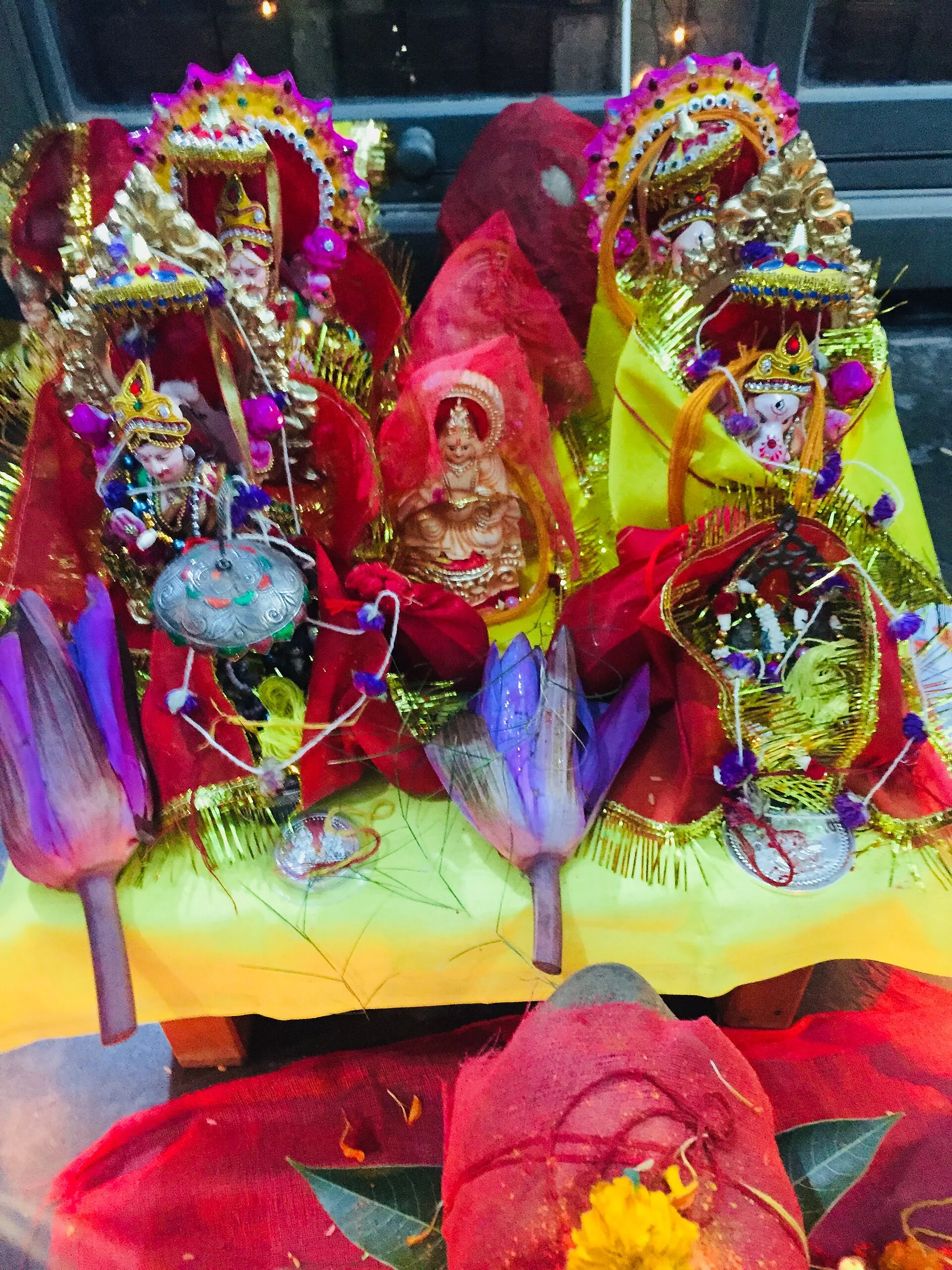
Four Telugu Deepavali classics for 2026: ariselu from soaked rice flour and jaggery, coconut-semolina kajjikayalu, jaggery-coated gavvalu and crisp chekkalu, with jaggery syrup stages explained simply, substitutions and storage for cooks in India and abroad.
Quick answer: In many Telugu homes, the Deepavali tins are filled with four favourites: ariselu (rice flour and jaggery discs coated with sesame), kajjikayalu (fried half-moon pastries with a coconut and semolina filling), gavvalu (little shells coated in jaggery) and chekkalu (crisp rice crackers). The secret to the sweets is the jaggery syrup: soft-ball stage for ariselu, hard-ball stage for coating gavvalu. Deepavali 2026 is on Sunday 8 November in India, per Drik Panchang.
For the festival itself, see our guide to Telugu Deepavali 2026 traditions in Andhra Pradesh and Telangana, and for a wider spread of dishes, our Diwali sweets recipes 2026 page.
Deepavali 2026 dates for planning your cooking
These snacks keep well, so many families fry a few days early. Dates follow Drik Panchang.
| Day | India | USA, Canada and UK |
|---|---|---|
| Dhanteras | Friday 6 November | Friday 6 November |
| Naraka Chaturdashi | Sunday 8 November | Saturday 7 November |
| Deepavali (Lakshmi Puja) | Sunday 8 November | Sunday 8 November |
| Govardhan Puja / Bali Padyami | Tuesday 10 November | Monday 9 November |
| Bhai Dooj | Wednesday 11 November | Tuesday 10 November |
For evening puja timings in your city, see the Diwali 2026 date and Lakshmi Puja muhurat page. Keep a few sweets aside for the naivedyam at the Lakshmi Puja.
Jaggery syrup stages, explained simply
The stage you cook bellam (jaggery) syrup to decides the texture. No thermometer needed: drop a little syrup into a bowl of cold water.
- Thread stage: a drop pressed between thumb and finger (after cooling for a moment) pulls into a single thread. Used for some laddus; too loose for ariselu.
- Soft-ball stage: the drop gathers into a soft ball in the water that you can pick up and flatten. This is the stage for ariselu.
- Hard-ball stage: the drop sets into a firm ball that keeps its shape and may click against the bowl. This is the stage for coating gavvalu, so the coating dries crisp.
Strain melted jaggery before boiling, since block jaggery often contains grit, and test often near the end: jaggery varies in moisture. For ariselu, the rice is soaked, dried briefly and ground while still slightly damp; this moist flour binds smoothly with the syrup, and dry flour tends to crack.
The recipes
Quantities, timings and yields are approximate. If reusing oil, fry savoury items before sweet ones.
Ariselu (Rice Flour and Jaggery Sweet with Sesame)
Soft-centred, deep brown discs of fresh rice flour and jaggery, coated with sesame and fried. Made in many Telugu homes for Sankranti and Deepavali.
Prep: about 5 hours, including 4 hours soaking. Cook: about 45 minutes. Makes: About 15 to 18 ariselu (approximate).
Ingredients
- 2 cups (about 400 g) raw rice (sona masuri or any short-grain raw rice, not parboiled)
- 1 1/4 cups (about 250 g) grated jaggery
- 1/4 cup (60 ml) water for the syrup
- 1 tablespoon ghee
- 1/2 teaspoon cardamom powder
- 3 to 4 tablespoons white sesame seeds
- Oil for deep-frying
Method
- Wash the rice two or three times and soak it in water for 4 to 6 hours.
- Drain well and spread the rice on a clean cotton cloth in the shade for 20 to 30 minutes, until it feels dry to the touch but is still slightly damp inside.
- Grind the rice to a fine flour in a dry grinder in small batches and sieve it. Keep the flour covered so it stays slightly moist; do not dry it out.
- Put the jaggery and water in a heavy pan and heat until the jaggery melts. Strain to remove any grit and return to the pan.
- Boil the syrup on medium heat, stirring now and then, until it reaches the soft-ball stage: a drop in a bowl of cold water gathers into a soft ball you can pick up and press flat.
- Turn the heat to low, add the ghee and cardamom, then add the rice flour a little at a time, stirring constantly, until it comes together as a soft, sticky dough. You may not need all the flour.
- Switch off the heat, cover and let the dough cool until it is warm enough to handle. Many families rest it overnight.
- Heat oil over medium heat. Grease a sheet of plastic or a banana leaf and sprinkle with sesame seeds.
- Take a lime-sized ball of dough, place it on the sesame and pat it with greased fingers into a disc about 1 cm thick.
- Slide the disc into the hot oil and fry one or two at a time for 1 to 2 minutes per side, until deep brown.
- Lift out and press each arisa firmly between two flat ladles (or the base of two steel bowls) to squeeze out excess oil. Cool on a plate in a single layer.
Tips: Fry a test disc first. If it spreads or breaks, add a little more rice flour to the dough; if it is hard, the syrup was overcooked, so knead in a spoon of warm milk. Pressing the hot ariselu between ladles is what gives them their soft centre and keeps them from being greasy.
Kajjikayalu (Coconut-Semolina Filled Pastry)
Crisp half-moon pastries filled with dry coconut, roasted semolina, roasted gram and sugar, often made in large batches to share.
Prep: about 45 minutes, including dough resting. Cook: about 40 minutes. Makes: About 20 kajjikayalu (approximate).
Ingredients
- For the dough: 1 1/2 cups (190 g) maida (plain flour)
- 2 tablespoons hot ghee
- A pinch of salt
- About 1/2 cup (120 ml) water
- For the filling: 1/2 cup (85 g) fine semolina (rava)
- 1 teaspoon ghee to roast the semolina
- 3/4 cup (60 g) grated dry coconut (kopra) or desiccated coconut
- 1/4 cup (35 g) roasted gram (putnalu), powdered
- 1/2 cup (60 g) powdered sugar
- 1/2 teaspoon cardamom powder
- 2 tablespoons chopped cashews (optional)
- Oil for deep-frying
Method
- Rub the hot ghee and salt into the maida, then add water gradually to make a firm, smooth dough, a little stiffer than chapati dough. Cover and rest for 30 minutes.
- Roast the semolina in 1 teaspoon of ghee over low heat for 4 to 5 minutes until aromatic but still pale. Tip into a bowl.
- Dry-roast the coconut for 1 to 2 minutes, just until warm and fragrant, and add it to the bowl.
- When cool, mix in the powdered roasted gram, powdered sugar, cardamom and cashews. The filling should be dry and crumbly.
- Divide the dough into 20 small balls and roll each into a thin round about 9 to 10 cm across.
- Place a heaped spoon of filling on one half, moisten the edge with water, fold over and press to seal. Crimp the edge by hand, trim with a pastry cutter, or use a kajjikayalu mould.
- Keep shaped kajjikayalu under a damp cloth so they do not dry out.
- Fry a few at a time in oil on medium-low heat for 5 to 6 minutes, turning, until crisp and light golden.
- Drain on a rack and cool completely before storing.
Tips: Keep the filling completely dry, or the kajjikayalu can burst in the oil. Seal the edges well and fry on gentle heat so the pastry cooks through and stays crisp for weeks.
Bellam Gavvalu (Jaggery-Coated Sweet Shells)
Small fried dough shells tossed in thick jaggery syrup until coated in a dry, sugary crust.
Prep: about 30 minutes. Cook: about 30 minutes. Makes: About 3 cups (serves 6 to 8) (approximate).
Ingredients
- 1 cup (125 g) maida, or half maida and half fine rice flour
- 1 1/2 tablespoons ghee
- A pinch of salt
- About 1/3 cup (80 ml) water
- 3/4 cup (150 g) grated jaggery
- 1/4 cup (60 ml) water for the syrup
- 1/4 teaspoon cardamom powder
- Oil for deep-frying
Method
- Rub the ghee and salt into the flour, add water a little at a time and knead to a stiff, smooth dough. Rest for 10 minutes.
- Pinch off pea-sized pieces. Press each piece on a gavvala board (a ridged wooden board), the back of a fork or a new, clean comb, and roll it with your thumb so it curls into a ridged shell.
- Fry the shells in oil on medium heat for 3 to 4 minutes, stirring, until crisp and light golden. Drain and let them cool.
- Melt the jaggery with 1/4 cup water, strain, and boil in a wide pan until it reaches the hard-ball stage: a drop in cold water sets into a firm ball that holds its shape.
- Add the cardamom, switch off the heat and immediately tip in the fried shells.
- Toss continuously with a spatula for 2 to 3 minutes as the syrup cools and dries into a coating. Spread on a plate to cool and separate any clumps.
Tips: Work quickly once the shells go into the hard-ball syrup. If the coating stays sticky, the syrup was undercooked; spread the gavvalu out and let them dry for an hour.
Chekkalu (Crisp Rice Crackers)
Thin, crunchy rice-flour crackers with chana dal, peanuts, sesame and curry leaves; the savoury tin beside the sweets.
Prep: about 1 hour 15 minutes, including soaking the dal. Cook: about 30 minutes. Makes: About 25 chekkalu (approximate).
Ingredients
- 1 cup (130 g) fine rice flour
- 2 tablespoons chana dal, soaked for 1 hour and drained
- 2 tablespoons raw peanuts, roughly crushed (optional)
- 1 tablespoon white sesame seeds
- 1 teaspoon red chilli powder, or 2 green chillies ground to a paste
- 1/2 teaspoon cumin seeds
- 8 to 10 curry leaves, finely chopped
- 3/4 teaspoon salt, or to taste
- 1 tablespoon softened butter or hot oil
- About 1/2 cup (120 ml) warm water
- Oil for deep-frying
Method
- Mix the rice flour, drained chana dal, peanuts, sesame, chilli, cumin, curry leaves and salt in a bowl.
- Rub in the butter or hot oil until the flour feels like breadcrumbs.
- Add warm water gradually and knead to a soft, smooth dough that does not crack when pressed.
- Heat oil over medium heat. Grease a sheet of plastic or the back of a plate.
- Pat a small lime-sized ball of dough into a very thin disc, about 2 mm thick, with oiled fingers. Prick it in two or three places with a fork so it does not puff.
- Peel the disc off carefully and slide it into the oil. Fry three or four at a time for 3 to 4 minutes, turning, until the bubbling almost stops and they are crisp and light golden.
- Drain on a rack or paper towels and cool fully before storing.
Tips: Pat the discs as thin as you can; thick chekkalu stay chewy in the middle. Frying on medium rather than high heat makes them crisp right through.
Substitutions
| Ingredient | Substitute | Note |
|---|---|---|
| Jaggery | Brown sugar or a mix of sugar and jaggery | Lighter colour; same syrup tests apply |
| Dry coconut (kopra) | Desiccated coconut | Unsweetened; roast lightly |
| Roasted gram (putnalu) | Ground almonds or extra semolina | Gives body to kajjikayalu filling |
| Maida | Fine atta, or half atta and half fine semolina | Slightly denser pastry |
Tips for Telugu families abroad
- Raw rice, jaggery, dry coconut, putnalu and gavvala boards are sold at most Indian grocery stores abroad. Choose soft, golden jaggery for syrup.
- Chekkalu and gavvalu travel well for community Deepavali potlucks; pack ariselu between sheets of parchment.
- In North America and the UK, Naraka Chaturdashi falls on Saturday 7 November, a convenient day for frying before Lakshmi Puja on Sunday.
Storage
- Ariselu: about 2 to 3 weeks in an airtight steel or glass jar at room temperature.
- Kajjikayalu (dry filling): about 2 weeks airtight. With fresh coconut filling, 2 to 3 days.
- Gavvalu: about 2 to 3 weeks airtight; keep away from humidity so the coating stays dry.
- Chekkalu: about 2 to 3 weeks airtight. Re-crisp in a warm oven for a few minutes if they soften.
Frequently asked questions
Can I use store-bought rice flour for ariselu?
It is possible but harder, as dry packet flour often gives hard or cracked ariselu. If you must, sprinkle it with a little water, rub it in and cover for 30 minutes before using; expect a slightly different texture.
Why did my ariselu break up in the oil?
Usually the jaggery syrup did not reach the soft-ball stage, so the dough is too loose. Knead in a spoon or two more rice flour and test one disc again. If ariselu turn hard instead, the syrup was cooked too far.
How long do Telugu Deepavali snacks keep?
Roughly 2 to 3 weeks in airtight jars for most of them; see the storage section above. Kajjikayalu with fresh coconut filling keep only 2 to 3 days.
Can I make kajjikayalu without maida?
Yes. Fine atta, or atta mixed with fine semolina, works; the pastry is a little denser, so roll it thin.
What is the soft-ball stage of jaggery syrup?
A drop of syrup in cold water gathers into a soft ball you can pick up and flatten. Ariselu need this stage; a gavvalu coating needs the firmer hard-ball stage.
When is Deepavali in 2026?
Per Drik Panchang, Naraka Chaturdashi and Deepavali (Lakshmi Puja) both fall on Sunday 8 November 2026 in India, with Dhanteras on Friday 6 November. In the USA, Canada and the UK, Naraka Chaturdashi is on Saturday 7 November and Lakshmi Puja on Sunday 8 November.
Editor's note (8 October 2026)
We wrote this recipe page on 8 October 2026 for the festival season. Dates follow Drik Panchang by country: in India, Dhanteras on Friday 6 November, Naraka Chaturdashi and Lakshmi Puja on Sunday 8 November, Govardhan Puja on Tuesday 10 November and Bhai Dooj on Wednesday 11 November 2026. Recipes are standard home versions; quantities, timings, yields and shelf life are approximate.
Related guides
- Telugu Deepavali 2026 traditions in Andhra and Telangana
- Diwali 2026 recipes: 35 traditional sweets and snacks
- Tamil Deepavali recipes: murukku and adhirasam
- Maharashtrian Diwali faral: chakli, shankarpali and karanji
- North Indian Diwali sweets: gujiya, mathri and coconut ladoo
- Diwali / Deepavali 2026: complete 5-day guide
- Dhanteras 2026
- Naraka Chaturdashi 2026
- Lakshmi Puja 2026
- Govardhan Puja and Bali Padyami 2026
- Bhai Dooj 2026
You might also like
Tamil Deepavali Recipes 2026: Murukku, Adhirasam, Ribbon Pakoda and Rava Laddu
Dussehra Recipes 2026: What India Cooks for Vijayadashami and the Last Days of Navratri, Region by Region
Bijoya Dashami 2026 Food: Narkel Naru, Nimki and Ghugni Recipes for Bijoya Visits