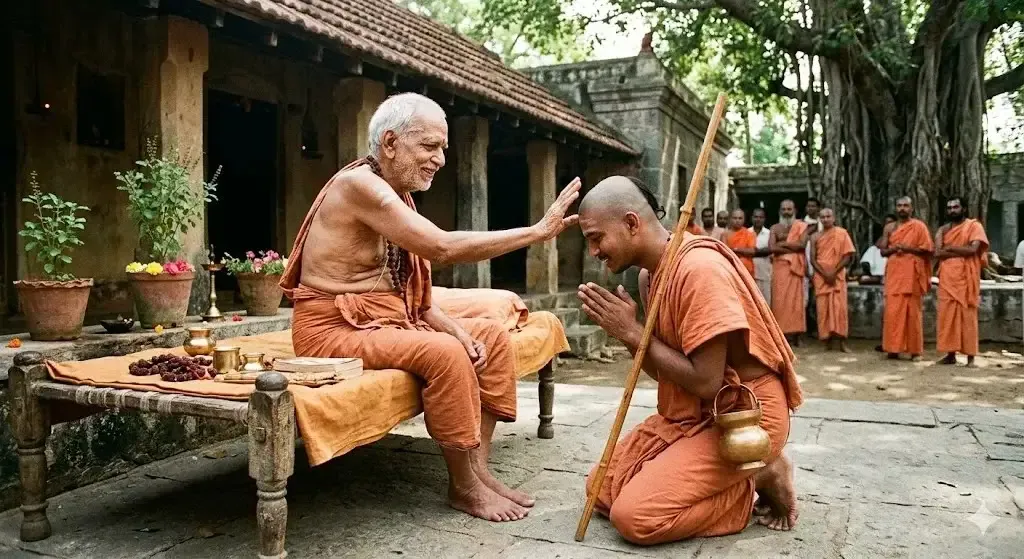
10 Traditional Diwali Sweets and Their Symbolic Meanings
Diwali, the Festival of Lights, is incomplete without the exchange and enjoyment of traditional Indian sweets.
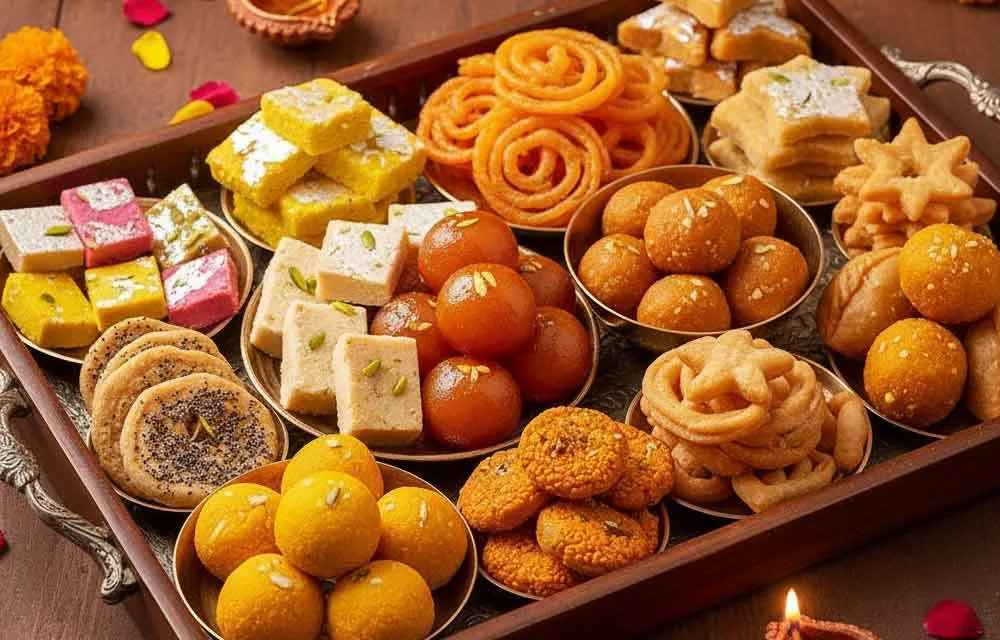
Diwali, the Festival of Lights, is incomplete without the exchange and enjoyment of traditional Indian sweets.
Diwali, the Festival of Lights, is incomplete without the exchange and enjoyment of traditional Indian sweets. These delicacies are not just culinary delights but carry deep symbolic meanings rooted in Hindu culture and spirituality. Each sweet represents prosperity, happiness, and the victory of light over darkness.
1. Ladoo - Spheres of Completeness
Ladoo holds a special place in Hindu celebrations and is often the first sweet offered to deities. The round shape of ladoo symbolizes completeness, unity, and the cyclical nature of life. Made from ingredients like gram flour (besan), semolina (rava), or ground nuts, ladoos represent the sweetness that comes from spiritual wholeness and divine blessings.
Symbolic Meaning: The spherical shape represents the universe and cosmic energy, while offering ladoos to Lord Ganesha signifies seeking blessings for new beginnings.
2. Barfi - The Foundation of Tradition
Barfi, a dense milk-based sweet cut into diamond or square shapes, represents stability and prosperity. This traditional mithai comes in numerous varieties including plain milk barfi, kaju (cashew) barfi, and coconut barfi. The firm texture symbolizes the strong foundation of family bonds and cultural traditions.
Symbolic Meaning: The diamond shape signifies wealth and prosperity, making barfi an auspicious offering during Lakshmi Puja on Diwali night.
3. Gulab Jamun - Divine Sweetness
These deep-fried milk solid balls soaked in fragrant rose-scented sugar syrup are beloved across India. Gulab jamun represents the sweetness of devotion and the nectar of divine love. The dark brown color after frying symbolizes the transformation through spiritual practice.
Symbolic Meaning: The syrup-soaked nature represents being immersed in divine grace and spiritual sweetness, perfectly aligned with Diwali's theme of enlightenment.
4. Jalebi - Spirals of Prosperity
The bright orange, pretzel-shaped jalebi is made by deep-frying batter in circular patterns and then soaking it in sugar syrup. Its intricate spiral design represents the complex journey of life and the interconnectedness of all beings. The crispy exterior and syrupy interior symbolize finding sweetness within life's complexities.
Symbolic Meaning: The continuous loops represent eternity and the endless cycle of life, death, and rebirth in Hindu philosophy.
5. Kheer - The Nectar of Abundance
Kheer, a creamy rice pudding made with milk, rice, sugar, and aromatic spices, is considered one of the most auspicious desserts in Hindu traditions. Often referred to as the food of the gods, kheer symbolizes abundance, nourishment, and prosperity. It's frequently prepared as prasad (sacred offering) during religious ceremonies.
Symbolic Meaning: The white color represents purity and peace, while the richness of the dish signifies material and spiritual abundance during Diwali.
6. Halwa - The Golden Offering
Halwa, particularly varieties like sooji halwa (semolina) and moong dal halwa (split yellow lentil), is a traditional Diwali sweet that symbolizes good fortune. The golden-yellow color resembles the prosperity associated with Goddess Lakshmi, who is worshipped during Diwali.
Symbolic Meaning: The warm, glowing appearance represents the divine light of Diwali lamps, while its richness signifies the blessings of wealth and prosperity.
7. Mysore Pak - Royal Indulgence
Originating from the royal kitchens of Mysore Palace, this ghee-laden sweet made from chickpea flour, sugar, and generous amounts of clarified butter represents luxury and celebration. Its porous, melt-in-mouth texture symbolizes the dissolving of ego and material attachments.
Symbolic Meaning: The golden color and rich ingredients represent abundance and the celebratory spirit of Diwali festivities.
8. Peda - Sacred Simplicity
Peda is a semi-soft sweet made from khoya (reduced milk) and sugar, often flavored with cardamom and saffron. It's traditionally offered to Lord Krishna and is considered highly auspicious. The simple yet divine taste represents pure devotion and humble offerings to the divine.
Symbolic Meaning: Peda represents selfless love and devotion, embodying the spiritual essence of offering the best to the deities during Diwali.
9. Coconut Ladoo - Natural Purity
Made from freshly grated coconut, condensed milk, and cardamom, coconut ladoos represent purity and natural sweetness. In Hindu traditions, coconut itself is considered sacred and is used in various religious ceremonies. These white, round sweets symbolize the breaking of ego (breaking the coconut shell) to reach inner sweetness.
Symbolic Meaning: The coconut represents the three-eyed Lord Shiva, and offering coconut ladoos during Diwali signifies surrender to divine will and seeking spiritual illumination.
10. Kaju Katli - Diamond of Celebrations
Kaju katli, the diamond-shaped cashew fudge, is one of the most premium and gifted sweets during Diwali. Its thin, silvery appearance (often adorned with edible silver leaf) represents wealth, sophistication, and high regard for the recipient. The diamond shape is particularly significant in symbolizing prosperity.
Symbolic Meaning: The precious ingredients and diamond shape represent the gift of prosperity, making it an ideal offering to Goddess Lakshmi and a perfect gift to share blessings with loved ones.
The Deeper Significance of Diwali Sweets
Beyond their individual meanings, Diwali sweets collectively represent the triumph of good over evil and light over darkness. The act of preparing sweets at home brings families together, strengthening bonds and creating cherished memories. Sharing these sweets with neighbors, friends, and relatives symbolizes spreading joy, fostering community harmony, and extending goodwill.
Why Sweets Are Essential to Diwali Celebrations
In Hindu culture, offering sweets to deities is a form of bhakti (devotion), expressing gratitude for blessings received and seeking divine grace for the year ahead. The sweetness represents the desire to bring sweetness into life through positive actions and thoughts. When we exchange sweets during Diwali, we're essentially sharing blessings and wishing prosperity for one another.
Conclusion
Traditional Diwali sweets are much more than delicious treats; they are carriers of ancient wisdom, cultural values, and spiritual symbolism. Each sweet tells a story of devotion, prosperity, and the eternal human quest for happiness and enlightenment. This Diwali, as you savor these traditional delicacies, remember the rich symbolism they carry and the centuries-old traditions they represent.
Whether you're preparing these sweets at home or purchasing them from your favorite sweet shop, understanding their symbolic meanings adds a deeper dimension to your Diwali celebrations. May these traditional sweets bring sweetness, prosperity, and divine blessings to your home this Festival of Lights.
Happy Diwali! Shubh Deepavali!
Celebrate the Festival of Lights with tradition, taste, and spiritual significance. Explore more Hindu festivals, rituals, and cultural traditions on HinduTone.
Also read: Telugu Deepavali sweets and Tamil Deepavali palakaram.
Related 2026 guides
- Diwali 2026: dates, Lakshmi Puja muhurat & 5-day guide
- Lakshmi Puja muhurat 2026 in 30 Indian cities
- Lakshmi Puja vidhi 2026: step-by-step
- Dhanteras 2026
- Diwali 2026 5-day calendar at a glance
Share the Diwali 2026 blessing
Every ladoo offered to Lord Ganesha and every bowl of kheer placed before Maa Lakshmi is a small act of love. As we share sweets this Diwali, may the diya remind us of the inner light that makes life truly sweet, and may Maa Lakshmi's grace fill our homes with gratitude, as light overcomes darkness. Share one of these blessings with your family along with a box of mithai, and let the sweetness travel further.
Deepa shloka: the lamp prayer
शुभं करोति कल्याणम् आरोग्यं धनसम्पदा। शत्रुबुद्धिविनाशाय दीपज्योतिर्नमोऽस्तु ते॥
Shubham karoti kalyanam arogyam dhana-sampada, shatru-buddhi-vinashaya deepa-jyotir namostu te.
Meaning: I bow to the light of the lamp, which brings what is auspicious and good, health and prosperity, and destroys ill-will. Many families recite it as they light the evening diya.
Lakshmi mantra for Diwali
ॐ श्रीं महालक्ष्म्यै नमः॥
Om Shreem Mahalakshmyai Namah.
Meaning: Salutations to Mahalakshmi. Shreem is the seed syllable traditionally associated with Lakshmi.
Diwali 2026 messages to share
🪔 Happy Diwali to our dear family! May your home be as sweet as kheer, as bright as a diya, and as full of love as a box of fresh ladoos. ✨ Share on WhatsApp
🙏 Dear Maa and Papa, the sweetest part of Diwali has always been the mithai made by your hands. May you be blessed with health and joy this festive season. 🪔 Share on WhatsApp
✨ Sending a box of barfi and a heart full of wishes to my friends! May our friendship stay as sweet as jalebi and as golden as halwa. Happy Diwali! 🌸 Share on WhatsApp
🪔 Warm Diwali wishes to our colleagues and clients. May this season bring sweetness to our partnership, good health to your families and success through honest work. ✨ Share on WhatsApp
🌸 May Maa Lakshmi accept our humble offering of sweets and bless every home with grace, contentment and the joy of sharing. Shubh Deepavali! 🙏🪔 Share on WhatsApp
🙏 With ladoos lovingly offered to Lord Ganesha, may every new beginning be sweet and free of obstacles. Wishing you a joyful Diwali 2026! 🪔✨ Share on WhatsApp
A short Diwali prayer
Maa Lakshmi and Lord Ganesha, I place these sweets before you with a grateful heart. Accept this simple offering made with love. Bless my family with good health and our home with harmony. Let the sweetness of this festival live in our words and actions, and give me the strength to work with honesty and right effort. Light the lamp of wisdom within me and help me share whatever I have with others.
Use the share buttons on this page to send these blessings to your family and friends.
Frequently Asked Questions
When is Diwali 2026?
Diwali falls on November 8, 2026, in India as well as in the USA, Canada, the UK, Australia and the UAE, so families can prepare and share their traditional sweets for Lakshmi Puja that day.
Why are sweets so important to Diwali?
Offering sweets to deities is a form of bhakti (devotion), expressing gratitude for blessings received and seeking divine grace for the year ahead. Exchanging sweets with family and neighbours symbolizes sharing blessings and wishing one another prosperity.
Which sweets are offered during Lakshmi Puja on Diwali?
Barfi and kaju katli are popular offerings to Goddess Lakshmi because their diamond shape signifies wealth and prosperity. Golden halwa is also associated with the prosperity Lakshmi represents.
What does the round shape of a ladoo symbolize?
The round ladoo symbolizes completeness, unity and the cyclical nature of life, and its spherical shape is said to represent the universe. Offering ladoos to Lord Ganesha signifies seeking blessings for new beginnings.
Can NRI families keep the Diwali sweets tradition abroad?
Yes. Whether you prepare ladoos, kheer or coconut ladoos at home or buy mithai from a local Indian sweet shop, offering them at puja and sharing them with friends and neighbours keeps the meaning of the tradition alive.
You might also like
Gita Jayanti 2026 Prasad Recipes — Tulsi-Honoring Sweets, Krishna's Favourites & December 20 Bhog Plate
Shani Deva Temples Worldwide & Must-Performed Rituals — Complete Devotee's Guide
Maha Shivratri 2026 Vrat Recipes — Sabudana Khichdi, Singhada Halwa, Phalahara Foods Complete Fasting Guide