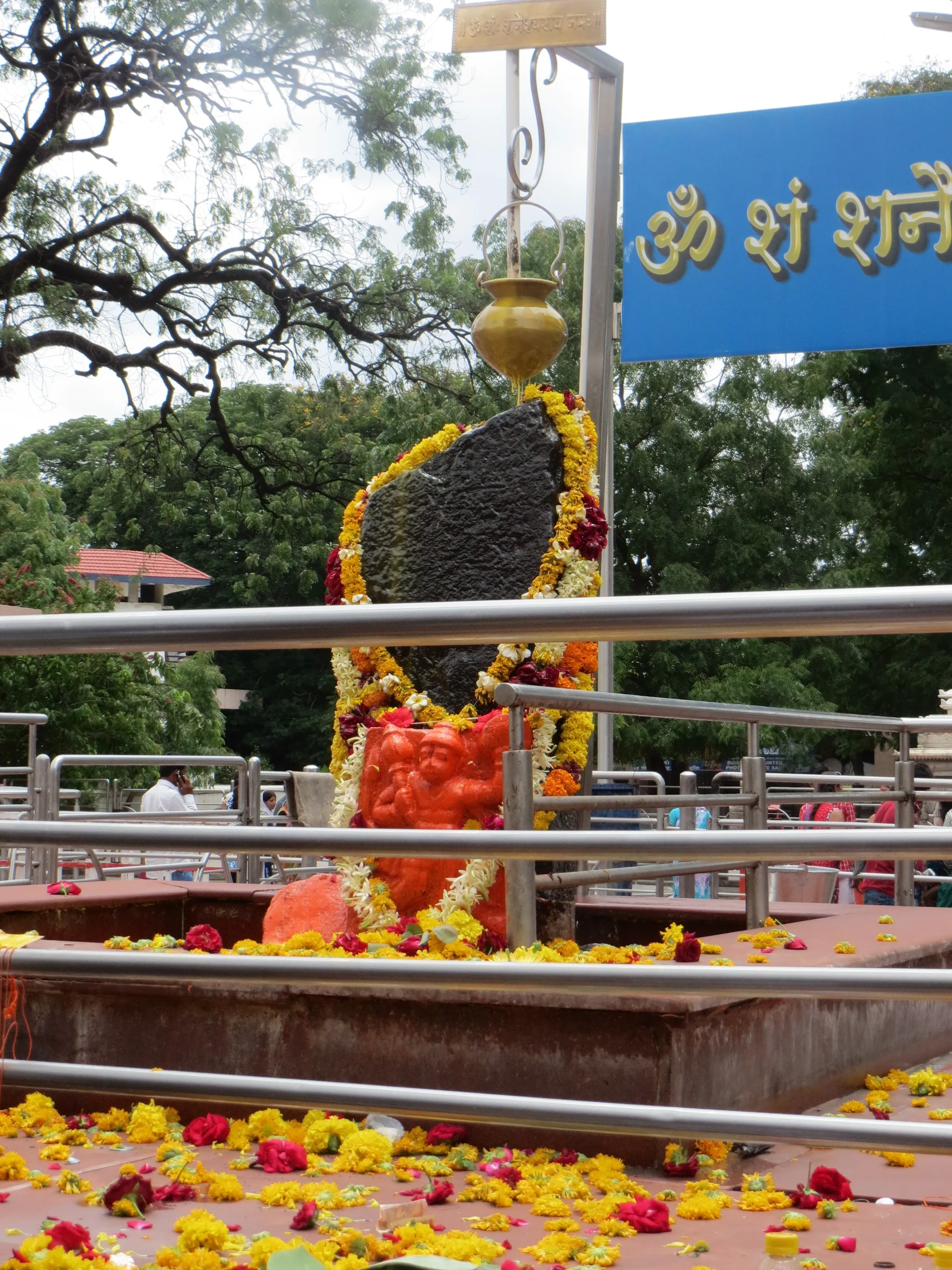
Shiv Chalisa (Jai Ganesh Girija Suvan) Lyrics in Hindi with Meaning and Shiv Aarti
The Shiv Chalisa, which begins 'Jai Ganesh Girija Suvan', is a forty-verse Hindi hymn to Lord Shiva, traditionally attributed to Ayodhyadas. Here is the complete text with a one-line meaning for every chaupai, the opening and closing dohas, the Shiv Aarti 'Om Jai Shiv Omkara', and simple guidance for Mondays, Shravan and Shivaratri.
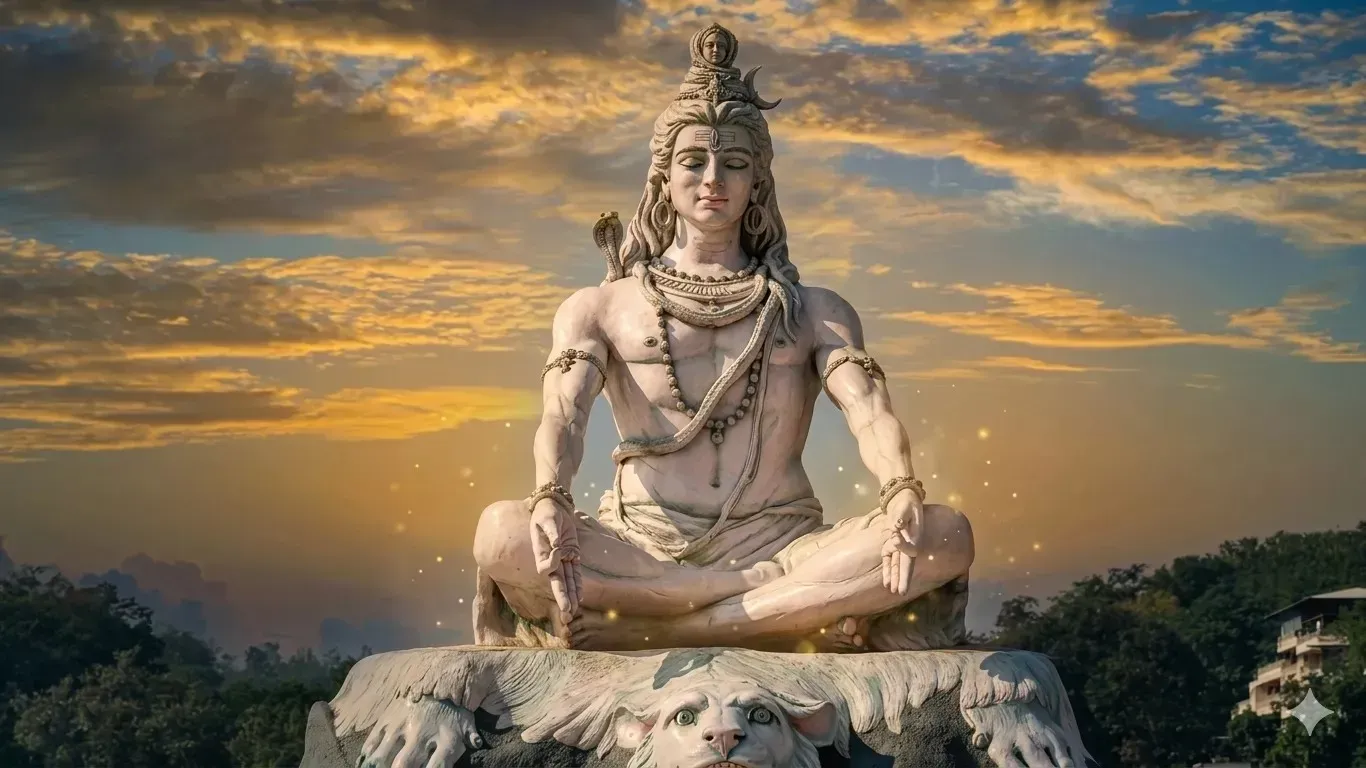
The Shiv Chalisa, which begins 'Jai Ganesh Girija Suvan', is a forty-verse Hindi hymn to Lord Shiva, traditionally attributed to Ayodhyadas. Here is the complete text with a one-line meaning for every chaupai, the opening and closing dohas, the Shiv Aarti 'Om Jai Shiv Omkara', and simple guidance for Mondays, Shravan and Shivaratri.
Quick answer: The Shiv Chalisa is a forty-verse devotional hymn to Lord Shiva in simple Hindi that begins with the doha "Jai Ganesh Girija Suvan". It is traditionally attributed to Ayodhyadas, who names himself in the opening and closing verses. It praises Shiva's form, retells his great deeds, from drinking the poison as Neelakantha to blessing Rama, and ends with a heartfelt plea for help. Devotees recite it on Mondays, through Shravan, on Pradosh and on Mahashivaratri, usually followed by the Shiv Aarti "Om Jai Shiv Omkara". The Chalisa takes about ten minutes.
Shiv Chalisa lyrics in Hindi with meaning
The text follows the Hindi edition on sanskritdocuments.org. It has an opening doha, forty chaupais (here forty-one couplet lines, as the source prints them), and a closing doha. Each unit appears in Devanagari, then in transliteration, then with a one-line English meaning that stays close to the Hindi words.
Opening invocation
ॐ नमः शिवाय
oṃ namaḥ śivāya
Meaning: Om, salutations to Shiva. The Chalisa is traditionally begun with the Panchakshari mantra.
Opening doha
जय गणेश गिरिजासुवन मंगल मूल सुजान ।
कहत अयोध्यादास तुम देउ अभय वरदान ॥
jaya gaṇeśa girijāsuvana maṃgala mūla sujāna |
kahata ayodhyādāsa tuma deu abhaya varadāna ||
Meaning: Victory to Ganesha, son of Girija (Parvati), the root of all auspiciousness and the all-wise one. Ayodhyadas prays: grant me the boon of fearlessness.
Chaupais 1 to 41
Chaupai 1
जय गिरिजापति दीनदयाला । सदा करत सन्तन प्रतिपाला ॥
jaya girijāpati dīnadayālā | sadā karata santana pratipālā ||
Meaning: Victory to the Lord of Girija, compassionate to the humble, who always protects the saints.
Chaupai 2
भाल चन्द्रमा सोहत नीके । कानन कुण्डल नाग फनी के ॥
bhāla candramā sohata nīke | kānana kuṇḍala nāga phanī ke ||
Meaning: The crescent moon shines beautifully on your forehead, and your earrings are the hoods of serpents.
Chaupai 3
अंग गौर शिर गंग बहाये । मुण्डमाल तन क्षार लगाये ॥
aṃga gaura śira gaṃga bahāye | muṇḍamāla tana kṣāra lagāye ||
Meaning: Your limbs are fair, the Ganga flows from your head, you wear a garland of skulls and your body is smeared with ash.
Chaupai 4
वस्त्र खाल बाघम्बर सोहे । छवि को देखि नाग मन मोहे ॥
vastra khāla bāghambara sohe | chavi ko dekhi nāga mana mohe ||
Meaning: The tiger skin you wear is beautiful, and seeing your form even the serpents are enchanted.
Chaupai 5
मैना मातु कि हवे दुलारी । वाम अंग सोहत छवि न्यारी ॥
mainā mātu ki have dulārī | vāma aṃga sohata chavi nyārī ||
Meaning: The beloved daughter of Mother Maina, Parvati, graces your left side with a beauty all her own.
Chaupai 6
कर त्रिशूल सोहत छवि भारी । करत सदा शत्रुन क्षयकारी ॥
kara triśūla sohata chavi bhārī | karata sadā śatruna kṣayakārī ||
Meaning: The trident in your hand looks magnificent, and with it you always destroy the enemies.
Chaupai 7
नंदी गणेश सोहैं तहं कैसे । सागर मध्य कमल हैं जैसे ॥
naṃdī gaṇeśa sohaiṃ tahaṃ kaise | sāgara madhya kamala haiṃ jaise ||
Meaning: Nandi and Ganesha look as beautiful beside you as lotuses in the middle of the ocean.
Chaupai 8
कार्तिक श्याम और गणराऊ । या छवि कौ कहि जात न काऊ ॥
kārtika śyāma aura gaṇarāū | yā chavi kau kahi jāta na kāū ||
Meaning: With Kartikeya, the dark-hued attendants and Ganesha, lord of the ganas, around you, this sight is beyond anyone's words.
Chaupai 9
देवन जबहीं जाय पुकारा । तबहिं दुख प्रभु आप निवारा ॥
devana jabahīṃ jāya pukārā | tabahiṃ dukha prabhu āpa nivārā ||
Meaning: Whenever the gods came and cried out to you, you, O Lord, removed their sorrow at once.
Chaupai 10
किया उपद्रव तारक भारी । देवन सब मिलि तुमहिं जुहारी ॥
kiyā upadrava tāraka bhārī | devana saba mili tumahiṃ juhārī ||
Meaning: When the demon Taraka caused great havoc, all the gods together came and paid homage to you.
Chaupai 11
तुरत षडानन आप पठायौ । लव निमेष महं मारि गिरायौ ॥
turata ṣaḍānana āpa paṭhāyau | lava nimeṣa mahaṃ māri girāyau ||
Meaning: You at once sent the six-faced Kartikeya, who struck Taraka down in the blink of an eye.
Chaupai 12
आप जलंधर असुर संहारा । सुयश तुम्हार विदित संसारा ॥
āpa jalaṃdhara asura saṃhārā | suyaśa tumhāra vidita saṃsārā ||
Meaning: You yourself destroyed the demon Jalandhara, and your fame is known throughout the world.
Chaupai 13
त्रिपुरासुर सन युद्ध मचाई । तबहिं कृपा कर लीन बचाई ॥
tripurāsura sana yuddha macāī | tabahiṃ kṛpā kara līna bacāī ||
Meaning: You fought a great battle with Tripurasura and then, in your grace, saved the gods.
Chaupai 14
किया तपहिं भागीरथ भारी । पुरब प्रतिज्ञा तासु पुरारी ॥
kiyā tapahiṃ bhāgīratha bhārī | puraba pratijñā tāsu purārī ||
Meaning: Bhagiratha performed great penance, and you, O Purari, fulfilled his vow by receiving the Ganga.
Chaupai 15
दानिन महं तुम सम कोउ नाहीं । सेवक स्तुति करत सदाहीं ॥
dānina mahaṃ tuma sama kou nāhīṃ | sevaka stuti karata sadāhīṃ ||
Meaning: Among all givers there is none equal to you, and your servants sing your praise forever.
Chaupai 16
वेद माहि महिमा तुम गाई । अकथ अनादि भेद नहीं पाई ॥
veda māhi mahimā tuma gāī | akatha anādi bheda nahīṃ pāī ||
Meaning: The Vedas have sung your glory, yet you are indescribable and beginningless, and none has found your mystery.
Chaupai 17
प्रकटे उदधि मंथन में ज्वाला । जरत सुरासुर भए विहाला ॥
prakaṭe udadhi maṃthana meṃ jvālā | jarata surāsura bhae vihālā ||
Meaning: When the ocean was churned, a burning poison arose, and gods and demons alike were scorched and distressed.
Chaupai 18
कीन्ह दया तहं करी सहाई । नीलकंठ तब नाम कहाई ॥
kīnha dayā tahaṃ karī sahāī | nīlakaṃṭha taba nāma kahāī ||
Meaning: You showed mercy and helped them by drinking it, and from then on you were called Neelakantha, the blue-throated.
Chaupai 19
पूजन रामचंद्र जब कीन्हां । जीत के लंक विभीषण दीन्हा ॥
pūjana rāmacaṃdra jaba kīnhāṃ | jīta ke laṃka vibhīṣaṇa dīnhā ||
Meaning: When Ramachandra worshipped you, he won Lanka and gave it to Vibhishana.
Chaupai 20
सहस कमल में हो रहे धारी । कीन्ह परीक्षा तबहिं त्रिपुरारी ॥
sahasa kamala meṃ ho rahe dhārī | kīnha parīkṣā tabahiṃ tripurārī ||
Meaning: When Rama was offering you a thousand lotuses, you, Tripurari, chose to test him.
Chaupai 21
एक कमल प्रभु राखेउ जोई । कमल नयन पूजन चहं सोई ॥
eka kamala prabhu rākheu joī | kamala nayana pūjana cahaṃ soī ||
Meaning: You hid one lotus, and the lotus-eyed Rama resolved to offer his own eye in its place.
Chaupai 22
कठिन भक्ति देखी प्रभु शंकर । भये प्रसन्न दिए इच्छित वर ॥
kaṭhina bhakti dekhī prabhu śaṃkara | bhaye prasanna die icchita vara ||
Meaning: Seeing such steadfast devotion, Lord Shankara was pleased and granted him the boon he desired.
Chaupai 23
जय जय जय अनंत अविनाशी । करत कृपा सबके घट वासी ॥
jaya jaya jaya anaṃta avināśī | karata kṛpā sabake ghaṭa vāsī ||
Meaning: Victory, victory, victory to you, the infinite and imperishable, who dwell in every heart and bless all.
Chaupai 24
दुष्ट सकल नित मोहि सतावैं । भ्रमत रहौं मोहे चैन न आवैं ॥
duṣṭa sakala nita mohi satāvaiṃ | bhramata rahauṃ mohe caina na āvaiṃ ||
Meaning: The wicked trouble me every day; I wander restlessly and find no peace.
Chaupai 25
त्राहि त्राहि मैं नाथ पुकारो । यह अवसर मोहि आन उबारो ॥
trāhi trāhi maiṃ nātha pukāro | yaha avasara mohi āna ubāro ||
Meaning: I cry out to you, 'Save me, save me, O Lord!' Come now, at this moment, and rescue me.
Chaupai 26
ले त्रिशूल शत्रुन को मारो । संकट से मोहिं आन उबारो ॥
le triśūla śatruna ko māro | saṃkaṭa se mohiṃ āna ubāro ||
Meaning: Take up your trident and strike down the enemies; come and lift me out of this crisis.
Chaupai 27
मात पिता भ्राता सब कोई । संकट में पूछत नहिं कोई ॥
māta pitā bhrātā saba koī | saṃkaṭa meṃ pūchata nahiṃ koī ||
Meaning: Mother, father, brother and everyone else: in times of trouble no one comes to ask after me.
Chaupai 28
स्वामी एक है आस तुम्हारी । आय हरहु मम संकट भारी ॥
svāmī eka hai āsa tumhārī | āya harahu mama saṃkaṭa bhārī ||
Meaning: O Master, you are my only hope; come and remove my heavy burden of trouble.
Chaupai 29
धन निर्धन को देत सदा ही । जो कोई जांचे सो फल पाहीं ॥
dhana nirdhana ko deta sadā hī | jo koī jāṃce so phala pāhīṃ ||
Meaning: You always give wealth to the poor, and whoever asks of you receives the fruit.
Chaupai 30
अस्तुति केहि विधि करों तुम्हारी । क्षमहु नाथ अब चूक हमारी ॥
astuti kehi vidhi karoṃ tumhārī | kṣamahu nātha aba cūka hamārī ||
Meaning: How can I ever praise you properly? Forgive our faults now, O Lord.
Chaupai 31
शंकर हो संकट के नाशन । मंगल कारण विघ्न विनाशन ॥
śaṃkara ho saṃkaṭa ke nāśana | maṃgala kāraṇa vighna vināśana ||
Meaning: O Shankara, you are the destroyer of troubles, the cause of auspiciousness and the remover of obstacles.
Chaupai 32
योगी यति मुनि ध्यान लगावैं । शारद नारद शीश नवावैं ॥
yogī yati muni dhyāna lagāvaiṃ | śārada nārada śīśa navāvaiṃ ||
Meaning: Yogis, ascetics and sages meditate on you, and Sharada and Narada bow their heads before you.
Chaupai 33
नमो नमो जय नमः शिवाय । सुर ब्रह्मादिक पार न पाय ॥
namo namo jaya namaḥ śivāya | sura brahmādika pāra na pāya ||
Meaning: Salutations, salutations, victory to you, Namah Shivaya; even the gods led by Brahma cannot find your limit.
Chaupai 34
जो यह पाठ करे मन लाई । ता पर होत हैं शम्भु सहाई ॥
jo yaha pāṭha kare mana lāī | tā para hota haiṃ śambhu sahāī ||
Meaning: Whoever recites this with a devoted mind, Shambhu becomes their helper.
Chaupai 35
रनियां जो कोई हो अधिकारी । पाठ करे सो पावन हारी ॥
raniyāṃ jo koī ho adhikārī | pāṭha kare so pāvana hārī ||
Meaning: Whoever is burdened, traditionally understood as burdened with debt, and recites this is relieved and purified.
Chaupai 36
पुत्र होन की इच्छा जोई । निश्चय शिव प्रसाद तेहि होई ॥
putra hona kī icchā joī | niścaya śiva prasāda tehi hoī ||
Meaning: Whoever longs for a child, the tradition says, receives Shiva's grace as a blessing.
Chaupai 37
पण्डित त्रयोदशी को लावे । ध्यान पूर्वक होम करावे ॥
paṇḍita trayodaśī ko lāve | dhyāna pūrvaka homa karāve ||
Meaning: On Trayodashi, invite a learned pandit and have a homa performed with devotion.
Chaupai 38
त्रयोदशी व्रत करै हमेशा । तन नहिं ताके रहै कलेशा ॥
trayodaśī vrata karai hameśā | tana nahiṃ tāke rahai kaleśā ||
Meaning: One who always keeps the Trayodashi fast is not left with suffering in the body.
Chaupai 39
धूप दीप नैवेद्य चढ़ावे । शंकर सम्मुख पाठ सुनावे ॥
dhūpa dīpa naivedya car̤hāve | śaṃkara sammukha pāṭha sunāve ||
Meaning: One should offer incense, lamp and food offerings and recite this text before Lord Shankara.
Chaupai 40
जन्म जन्म के पाप नसावे । अन्त धाम शिवपुर में पावे ॥
janma janma ke pāpa nasāve | anta dhāma śivapura meṃ pāve ||
Meaning: This removes the sins of many lifetimes, and at the end one reaches Shiva's abode.
Chaupai 41
कहैं अयोध्यादास आस तुम्हारी । जानि सकल दुख हरहु हमारी ॥
kahaiṃ ayodhyādāsa āsa tumhārī | jāni sakala dukha harahu hamārī ||
Meaning: Ayodhyadas says: you are my hope; knowing everything, remove all our sorrows.
Closing doha
नित नेम उठि प्रातःही पाठ करो चालीस ।
तुम मेरी मनकामना पूर्ण करो जगदीश ॥
nita nema uṭhi prātaḥhī pāṭha karo cālīsa |
tuma merī manakāmanā pūrṇa karo jagadīśa ||
Meaning: Rise each morning and, as a daily discipline, recite the Chalisa (some read the line as 'recite it forty times'). O Lord of the universe, fulfil the wishes of my heart.
Shiv Aarti: Om Jai Shiv Omkara with meaning
In the source, the Chalisa is followed by the Shiv Aarti, the well-known 'Om Jai Shiv Omkara' (also sung as 'Jai Shiv Omkara'). It is a 'triguna' aarti: it sees Brahma, Vishnu and Shiva as three faces of one Lord. The first line is the refrain, sung again after every stanza while the lamp is waved.
Opening and refrain
अथ त्रिगुण आरती शिवजी की
जय शिव ओंकारा हर जय शिव ओंकारा
ब्रह्मा विष्णु सदाशिव अर्धांगी धारा ॥ टेक॥
atha triguṇa āratī śivajī kī
jaya śiva oṃkārā hara jaya śiva oṃkārā
brahmā viṣṇu sadāśiva ardhāṃgī dhārā || ṭeka||
Meaning: Here begins the aarti of Lord Shiva in his three-fold form. Victory to you, Shiva, the sacred Om; victory to Hara! You are Brahma, Vishnu and Sadashiva, and you hold the Goddess as half of your own body. (This is the refrain, sung after every stanza.)
Stanza 1
एकानन चतुरानन पंचानन राजे
हंसानन गरुडासन वृषवाहन साजे ॥ जय॥
ekānana caturānana paṃcānana rāje
haṃsānana garuḍāsana vṛṣavāhana sāje || jaya||
Meaning: You shine as the one-faced, the four-faced and the five-faced Lord, seated on the swan, on Garuda and on the bull. (Brahma, Vishnu and Shiva are seen here as three forms of one Lord.)
Stanza 2
दो भुज चार चतुर्भुज दस भुज अति सोहे
तीनों रूप निरखता त्रिभुवन जन मोहे ॥ जय॥
do bhuja cāra caturbhuja dasa bhuja ati sohe
tīnoṃ rūpa nirakhatā tribhuvana jana mohe || jaya||
Meaning: With two arms, four arms and ten arms you look supremely beautiful; beholding your three forms, the people of the three worlds are enchanted.
Stanza 3
अक्षमाला बनमाला रुण्डमाला धारी
चंदन मृगमद सोहै भाले शशिधारी ॥ जय॥
akṣamālā banamālā ruṇḍamālā dhārī
caṃdana mṛgamada sohai bhāle śaśidhārī || jaya||
Meaning: You wear a rosary of beads, a garland of forest flowers and a garland of skulls; sandal paste and musk adorn your forehead, and you bear the moon.
Stanza 4
श्वेतांबर पीतांबर बाघंबर अंगे
सनकादिक गरुडादिक भूतादिक संगे ॥ जय॥
śvetāṃbara pītāṃbara bāghaṃbara aṃge
sanakādika garuḍādika bhūtādika saṃge || jaya||
Meaning: You are clad in white garments, yellow silk and tiger skin, and you are accompanied by Sanaka and the sages, by Garuda and the divine birds, and by the hosts of spirits.
Stanza 5
कर मध्ये सुकमण्डल चक्र त्रिशूल धर्ता
जगकर्ता जगभर्ता जगसंहारकर्ता ॥ जय॥
kara madhye sukamaṇḍala cakra triśūla dhartā
jagakartā jagabhartā jagasaṃhārakartā || jaya||
Meaning: In your hands you hold the sacred water-pot, the discus and the trident; you are the creator, the sustainer and the destroyer of the world.
Stanza 6
ब्रह्मा विष्णु सदाशिव जानत अविवेका
प्रणवाक्षर ॐ मध्ये ये तीनों एका ॥ जय॥
brahmā viṣṇu sadāśiva jānata avivekā
praṇavākṣara oṃ madhye ye tīnoṃ ekā || jaya||
Meaning: Only the unwise think of Brahma, Vishnu and Sadashiva as separate; in the sacred syllable Om these three are one.
Stanza 7
काशी में विश्वनाथ विराजत नन्दो ब्रह्मचारी
नित उठि भोग लगावत महिमा अति भारी ॥ जय॥
kāśī meṃ viśvanātha virājata nando brahmacārī
nita uṭhi bhoga lagāvata mahimā ati bhārī || jaya||
Meaning: In Kashi, Vishwanath is enthroned with Nandi the celibate; offerings are made to him at dawn every day, and his glory is immense.
Stanza 8
त्रिगुण स्वामी की आरती जो कोई नर गावे
कहत शिवानंद स्वामी मनवांछित फल पावे ॥ जय॥
triguṇa svāmī kī āratī jo koī nara gāve
kahata śivānaṃda svāmī manavāṃchita phala pāve || jaya||
Meaning: Whoever sings this aarti of the Lord of the three gunas, says Swami Shivananda, receives the fruit the heart desires.
What the Chalisa tells: a quick guide
| Verses | Theme |
|---|---|
| Opening doha | Prayer to Ganesha and a request for fearlessness |
| Chaupais 1 to 8 | Shiva's form: moon, Ganga, serpents, ash, trident, Parvati, Nandi, Ganesha and Kartikeya |
| Chaupais 9 to 22 | Shiva's deeds: Taraka, Jalandhara, Tripura, Bhagiratha's Ganga, Neelakantha, Rama's worship |
| Chaupais 23 to 33 | The devotee's plea for help and praise of Shiva's generosity |
| Chaupais 34 to 41 | Phala (fruit) of recitation, Trayodashi vrat and the poet's signature |
| Closing doha | A daily morning recitation and a prayer for the heart's wish |
Two stories in the Chalisa are worth telling children. In the churning of the ocean, a deadly poison rose first; Shiva drank it to save the worlds, and Parvati held his throat so it stayed there, turning it blue. In the story of Rama's worship, as commonly told, Rama offered a thousand lotuses; Shiva hid one to test him, and Rama, called lotus-eyed, prepared to offer his own eye. Shiva stopped him and blessed him. Both stories teach that Shiva is moved by sacrifice and sincerity, not by display.
How and when to recite the Shiv Chalisa
Best days and occasions
- Mondays: Somvar is sacred to Shiva. Many people read the Chalisa every Monday morning, and some keep a Monday fast.
- Shravan: the monsoon month dedicated to Shiva, when the Shravan Somvar vrat is widely kept in North India.
- Pradosh (Trayodashi): the Chalisa itself mentions the Trayodashi vrat. Pradosh evening, around sunset, is a favourite time for Shiva worship.
- Shivaratri: Mahashivaratri and the monthly Masik Shivaratri. Also see our Karthika Masa Shivaratri 2026 guide.
- Karthika Masam: for South Indian families, the Mondays of Karthika are especially sacred. See Karthika Somavaram 2026.
How many times
Once a day is enough, and the closing doha recommends the early morning. On special days some devotees read it three, eleven or even forty times, and some take a vow to read it daily for forty days. If you count on a mala, our article on the sacred number 108 explains the usual counts.
A simple setup at home
- Bathe, or wash hands and face, and sit before a Shivalinga or a picture of Shiva, ideally facing east or north.
- Offer water or milk to the linga, with a bilva (bael) leaf if you have one, a white flower, and a little sandal paste. Any fresh flower offered with love is enough.
- Light a lamp and incense, as chaupai 39 describes.
- Chant 'Om Namah Shivaya' a few times, recite the Chalisa slowly, then sing the aarti while waving the lamp.
- Share the offering as prasad and sit quietly for a minute.
Significance of the Shiv Chalisa
Shiva is at once the ascetic on Kailasa and the most easily pleased of the gods, Bholenath. The Chalisa captures both sides: it describes his awesome form and cosmic deeds, then speaks to him as a parent who will not let a child down when even family has turned away. That honesty is why it is loved in homes from Varanasi to New Jersey.
Traditionally, devotees believe that reciting the Shiv Chalisa with devotion brings peace of mind, the strength to face hardship, purification of past wrongs and Shiva's protection. The closing verses use the traditional language of phala (fruit), including relief from burdens and the blessing of children. These are expressions of faith, not guarantees, and the Chalisa is best offered as an act of love and surrender.
For deeper Shiva practice, pair the Chalisa with the Shiva Panchakshara Stotram, a round of Om Namah Shivaya chanted 108 times, or the Mahamrityunjaya mantra.
Tips for NRI families
- Monday morning, ten minutes. A short Chalisa before school or work is easy to keep even in a busy week abroad.
- Learn in four parts. Use the table above and learn one section each week.
- Visit a Shiva temple. Many temples abroad hold Rudrabhishekam and Chalisa recitation on Mondays and Shivaratri. See our guide to Shiva temples to visit in the USA and check each temple's official website for current timings.
Frequently asked questions
Where can I find Shiv Chalisa lyrics in Hindi with meaning?
The full Shiv Chalisa is given above in Hindi (Devanagari) with transliteration, and every doha and chaupai is followed by a plain-English meaning. It begins with the doha 'Jai Ganesh Girija Suvan', has forty chaupais, and ends with a closing doha. The Shiv Aarti 'Om Jai Shiv Omkara' follows it.
Who wrote the Shiv Chalisa?
The Chalisa is traditionally attributed to Ayodhyadas, because the poet names himself in the opening doha and again in the last chaupai ('kahain Ayodhyadas'). Little else is known about him. The Shiv Aarti that follows names Swami Shivananda in its last stanza.
What are the benefits of reading Shiv Chalisa?
Devotees believe that reciting the Shiv Chalisa with faith brings peace of mind, courage in difficulty and the grace of Lord Shiva. The closing verses of the Chalisa speak of Shiva's help, freedom from distress and purification from past sins. These are traditional statements of the hymn's spiritual value, not guarantees of particular results.
How many times should Shiv Chalisa be read?
Once a day, preferably in the morning, is the common practice, and the closing doha itself asks for a daily recitation. Some devotees read it three, eleven or forty times on Mondays, during Shravan or on Mahashivaratri; others read it once daily for forty days. Regular, attentive reading matters more than the number.
Which day is best for Shiv Chalisa?
Monday (Somvar) is Lord Shiva's day. The Chalisa is also recited throughout the month of Shravan, on Pradosh (Trayodashi) days, which the Chalisa itself mentions, on Mahashivaratri and the monthly Shivaratri, and on the Mondays of Karthika Masam.
Can women read Shiv Chalisa?
Yes. The Shiv Chalisa is a devotional household hymn in simple Hindi, and women, men and children all recite it. Many women read it during Monday fasts and the Shravan Somvar vrat.
Editor's note
Editor's note (7 October 2026): This guide has been restored at its original address after the earlier version was lost. The Devanagari text and transliteration of the Shiv Chalisa and Shiv Aarti follow the Hindi edition on sanskritdocuments.org. Minor variants in wording and recitation exist between printed editions and family traditions; if your family or temple follows a particular book, follow that book. The English meanings are our own plain renderings. Authorship is given as traditionally attributed, and the hymn is presented as an act of devotion, with no promise of particular results.
Related guides
You might also like
Ganesh Chalisa Lyrics in Hindi with Meaning, and Jai Ganesh Deva Aarti
Lakshmi Chalisa Lyrics in Hindi with Meaning, and Om Jai Lakshmi Mata Aarti
Bhairav Chalisa: Lyrics in Hindi with Meaning, Bhairav Aarti and How to Recite