
Vemulawada Sri Raja Rajeshwara Temple Guide: Telangana's Dakshina Kashi
A guide to the Sri Raja Rajeshwara Swamy temple at Vemulawada in Telangana, the Shiva shrine devotees call Rajanna: its Vemulawada Chalukya history, the Dharma Gundam tank, the unique kode mokku bull offering, festivals and practical planning for NRI families.
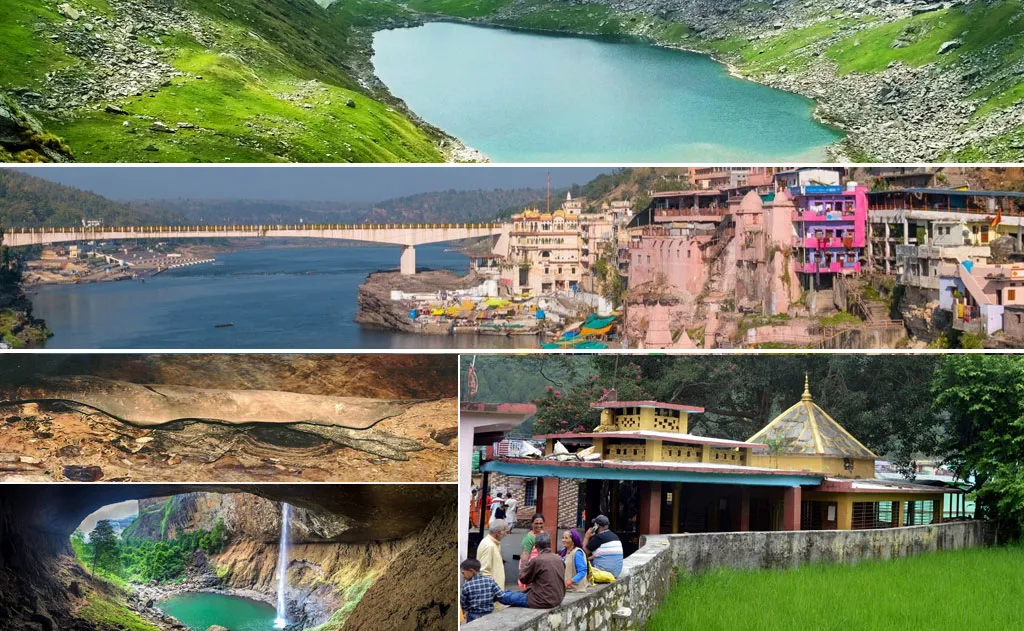
A guide to the Sri Raja Rajeshwara Swamy temple at Vemulawada in Telangana, the Shiva shrine devotees call Rajanna: its Vemulawada Chalukya history, the Dharma Gundam tank, the unique kode mokku bull offering, festivals and practical planning for NRI families.
Quick answer: The Sri Raja Rajeshwara Swamy temple at Vemulawada, in Rajanna Sircilla district of Telangana, is one of the most important Shiva temples in the Telugu lands. Shiva is worshipped here as Sri Raja Rajeshwara, lovingly called Rajanna, with his consort Sri Raja Rajeshwari Devi. The temple is known as Dakshina Kashi and as a Harihara kshetra, and it is famous for the kode mokku vow, in which devotees offer a bull to the Lord, and for its sacred tank, the Dharma Gundam. Maha Shivaratri is its greatest festival. Check the temple's official website for current timings.
For Telugu families abroad, especially those with roots in the Karimnagar region, Vemulawada is often the family deity's home and a place tied to vows, tonsures and life events. This guide explains its history, rituals and festivals, and how to plan a visit from overseas.
Vemulawada at a glance
| Detail | Information |
|---|---|
| Main deity | Shiva as Sri Raja Rajeshwara Swamy (Rajanna) |
| Consort | Sri Raja Rajeshwari Devi |
| Location | Vemulawada, Rajanna Sircilla district, Telangana |
| Also known as | Dakshina Kashi, Harihara Kshetram |
| Sacred tank | Dharma Gundam |
| Famous vow | Kode mokku (offering a bull) |
| Historical patrons | Vemulawada Chalukyas |
| Biggest festival | Maha Shivaratri |
History of the Vemulawada temple
Vemulawada was the capital of the Vemulawada Chalukyas, a dynasty that ruled parts of present-day Telangana roughly between the eighth and tenth centuries as feudatories of the Rashtrakutas. Inscriptions found in and around the town record their patronage of temples and learning. The Raja Rajeshwara temple grew under their rule and was expanded in later centuries, so the complex today shows several phases of construction.
Vemulawada is also linked with Telugu and Kannada literary history. The great Kannada poet Pampa enjoyed the patronage of the Vemulawada Chalukya court, and inscriptions from the region are among the important early records of the Telugu language. For a pilgrim, this means the temple sits in a landscape that has been a centre of faith and culture for well over a thousand years.
The legend of the Dharma Gundam. Local tradition tells of a king afflicted by a serious skin disease who bathed in the tank at Vemulawada and was cured, after which he recognised the holiness of the place and worshipped Shiva here. Versions of the story differ, but the belief in the healing waters of the Dharma Gundam remains strong, and a dip before darshan is part of the pilgrimage for many families.
The temple complex
The main sanctum houses the lingam of Sri Raja Rajeshwara Swamy, with the shrine of Sri Raja Rajeshwari Devi nearby. The complex contains several other shrines, including shrines to forms of Vishnu, such as Sri Anantha Padmanabha Swamy and Sri Sita Rama Chandra Swamy, which is why Vemulawada is called a Harihara kshetra.
A notable feature is the presence of a dargah within the temple premises, which devotees of different faiths visit. Many families point to it as a symbol of the region's long tradition of coexistence.
- Dharma Gundam: the sacred tank for the ritual bath.
- Main sanctum of Sri Raja Rajeshwara Swamy, the Rajanna lingam.
- Shrine of Sri Raja Rajeshwari Devi.
- Vishnu shrines that make the temple a Harihara kshetra.
- Smaller shrines and mandapams added over the centuries.
Kode mokku: the bull offering
Vemulawada's most distinctive ritual is the kode mokku, the offering of a young bull. A family that has made a vow to Rajanna, often for the health of a child, a good harvest, the birth of a child or recovery from illness, brings a bull calf to the temple. The bull is led around the temple, often decorated, and dedicated to the Lord.
The ritual reflects the deep roots of the temple in agricultural Telangana, where the bull has always been precious to farming families, and Nandi, the bull, is Shiva's own vehicle and devoted attendant. Today, NRI families sometimes fulfil vows made by parents or grandparents, or make a symbolic offering through the temple's arrangements. Ask the temple office about the current procedure.
Other common offerings include tonsure (talaneelalu), the offering of a child's first hair, and various sevas and abhishekams to the Lord.
Festivals at Vemulawada
- Maha Shivaratri: the temple's greatest festival, when lakhs of devotees come for darshan, the Dharma Gundam bath and night-long vigil (jagarana).
- Karthika Masam: the holy month for Shiva worship, with lamps, abhishekams and Monday observances. See our Karthika Masam 2026 guide.
- Sri Rama Navami: celebrated at the Sita Rama shrine within the complex.
- Navaratri and Dasara: worship of Sri Raja Rajeshwari Devi. Dussehra in 2026 falls on Tuesday 20 October; see our Dussehra 2026 guide.
- Shravana and other Shaiva observances: Mondays and Pradosham days attract regular devotees.
Festival schedules, special darshan arrangements and seva lists are announced by the temple; check its official website before you travel.
How to reach Vemulawada
By air: Rajiv Gandhi International Airport in Hyderabad is the nearest major airport and the usual arrival point for NRIs. From Hyderabad, Vemulawada is a few hours by road.
By road: Vemulawada is well connected by road to Karimnagar, Siddipet and Hyderabad. Telangana state buses run regularly, and taxis can be hired from Hyderabad or Karimnagar.
By rail: Karimnagar and other nearby towns have railway stations; most visitors complete the last stretch by road.
Planning tips for NRI families
- Combine Vemulawada with a visit to family in the Karimnagar region, or with other Telangana temples such as Keesaragutta, a hill shrine of Shiva near Hyderabad, and Bhadrachalam, the famous Sita Rama temple on the Godavari.
- Avoid Maha Shivaratri if you are travelling with elderly parents or small children, unless you are prepared for very large crowds.
- Wear traditional clothing; men often wear dhoti or kurta-pyjama and women saree or salwar.
- If you plan to fulfil a kode mokku or tonsure vow, contact the temple office beforehand to understand the current process.
- Carry a change of clothes if you plan to bathe in the Dharma Gundam.
- Keep cash in small amounts for offerings, but use the official counters for sevas and donations.
Frequently asked questions
Where is the Vemulawada temple?
The Sri Raja Rajeshwara Swamy temple is in the town of Vemulawada in Rajanna Sircilla district, Telangana. The district itself is named after the deity, whom devotees affectionately call Rajanna. The nearest large town is Karimnagar, and Hyderabad is the nearest major city and airport.
What is kode mokku at Vemulawada?
Kode mokku (also kode mokkulu) is the temple's best-known vow. Devotees, especially farming families, offer a young bull (kode) to Lord Rajanna, lead it around the temple and dedicate it, in thanks for prayers answered or to seek blessings for family, health and harvest.
Why is Vemulawada called Dakshina Kashi?
Devotees regard Vemulawada as holy as Kashi (Varanasi), and the name Dakshina Kashi, the Kashi of the south, reflects that. The temple complex also has shrines to Vishnu forms, which is why it is described as a Harihara kshetra where both Shiva and Vishnu are worshipped.
What is the Dharma Gundam?
The Dharma Gundam is the sacred temple tank at Vemulawada. Pilgrims traditionally take a holy dip here before darshan, and local tradition holds that its waters have healing power.
When is the best time to visit Vemulawada?
Maha Shivaratri is the temple's biggest festival and draws enormous crowds. Karthika Masam is also very popular with Shiva devotees. For a quieter visit, choose an ordinary weekday outside festival periods, and check the temple's official website for current timings and seva details.
Editor's note
Editor's note (5 October 2026): This guide has been restored at its original address after the earlier version was lost. It covers well-established facts about the deity, history, rituals and festivals of Vemulawada. We have deliberately not listed darshan timings, seva prices or contact numbers, which change; please check the temple's official website for current information.
Related guides
You might also like
Keesaragutta Temple Guide: Sri Ramalingeswara Swamy Near Hyderabad
Trimbakeshwar Jyotirlinga Guide: Legend, Godavari's Source, Rituals and Visiting Tips
Top Hindu Temples and Spiritual Centres in Brazil: A Guide for Indians and Seekers