Goddess Renuka Yellamma: Story, Worship and Major Temples
A respectful guide to Goddess Renuka, revered as Yellamma across Karnataka, Maharashtra, Andhra Pradesh and Telangana: her story as the wife of sage Jamadagni and mother of Parashurama, how her worship spread as a beloved folk and Shakti tradition, and major shrines such as Saundatti in Belagavi district and Renuka Mata at Mahur.
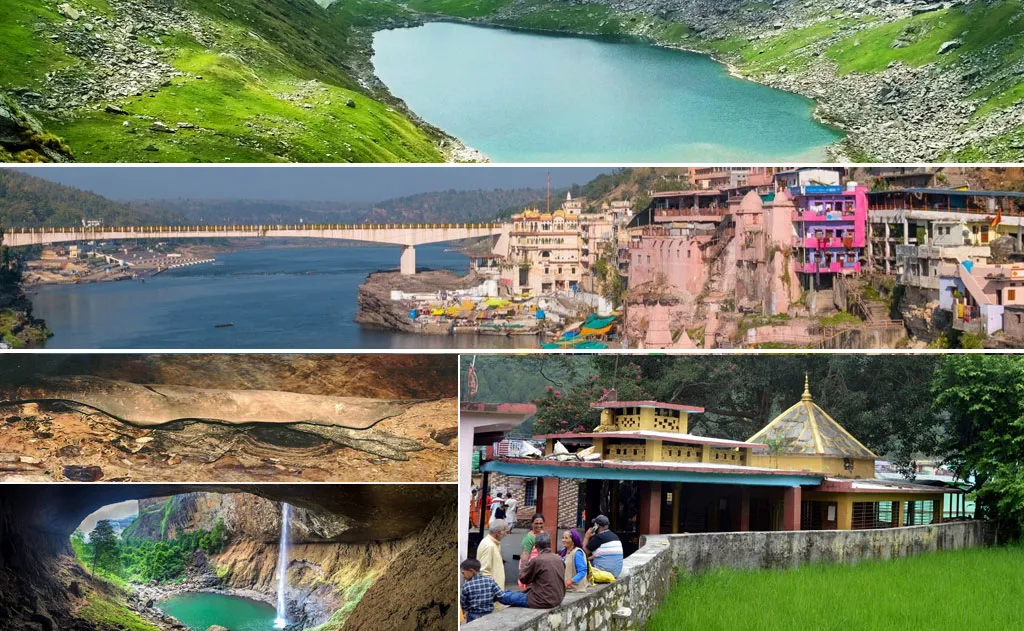
A respectful guide to Goddess Renuka, revered as Yellamma across Karnataka, Maharashtra, Andhra Pradesh and Telangana: her story as the wife of sage Jamadagni and mother of Parashurama, how her worship spread as a beloved folk and Shakti tradition, and major shrines such as Saundatti in Belagavi district and Renuka Mata at Mahur.
Quick answer: Goddess Renuka, widely worshipped as Yellamma, is the wife of the sage Jamadagni and the mother of Parashurama, the sixth avatar of Vishnu. Her story is told in the Mahabharata and the Puranas. Across Karnataka, Maharashtra, Andhra Pradesh and Telangana she is loved as a protective mother goddess and a form of Shakti. Her best-known shrines are the Yellamma temple near Saundatti in Belagavi district and Renuka Mata at Mahur in Maharashtra.
This guide has been restored at its original hindutone.com address. It explains who Renuka Yellamma is, the story as it is commonly told, how her worship is practised, and her major temples. For darshan timings and festival dates, always check the temple's official website.
Who is Renuka?
In the Puranic tradition Renuka is described as a princess, the daughter of a king often named Renu, who married the sage Jamadagni of the Bhrigu lineage. They lived a life of austerity in a forest ashram and had five sons, the youngest of whom was Rama of the axe, better known as Parashurama.
Renuka is remembered for her devotion and purity. In a popular version of the story, her spiritual power was so great that she could carry water from the river in a pot of unbaked clay, or even of sand, without it breaking.
The story of Renuka and Parashurama
The best-known episode is told in the Mahabharata (in the Vana Parva) and retold in several Puranas, with variations. Commonly told, it runs like this:
- A moment of distraction: One day, while fetching water, Renuka saw a celestial being (a gandharva, often named Chitraratha) at play in the river and was briefly distracted. Her concentration, and with it her special power, was lost, and she returned late.
- Jamadagni's anger: Through his ascetic insight Jamadagni knew what had happened. In anger he ordered his sons, one after another, to kill their mother. The elder sons refused.
- Parashurama obeys: Parashurama, bound by obedience to his father, struck off his mother's head with his axe.
- The boon: Pleased, Jamadagni offered him a boon. Parashurama asked that his mother be restored to life with no memory of what had happened, and that his brothers be forgiven. Jamadagni granted this.
Later, the story continues with the Haihaya king Kartavirya Arjuna, who took away Jamadagni's divine cow. Parashurama killed the king, and in revenge the king's sons killed Jamadagni, setting Parashurama on his long campaign against unrighteous kings. In the Mahur tradition, Renuka's last rites and her abiding presence are associated with that hill.
Devotees and teachers read the story in many ways: as a teaching on dharma and obedience, on the power of a mother's purity, and on forgiveness and restoration. Folk traditions in the Deccan add their own episodes, and in several of them the goddess's head is worshipped as an image of the Mother herself.
Yellamma: the mother of all
The name Yellamma is often explained as "mother of all" (from words meaning "all" and "mother" in Kannada and Telugu). Under this name Renuka became one of the most widely worshipped goddesses of the Deccan, especially among rural and farming communities, and she is seen as a guardian who protects villages, families and health.
- Karnataka: Yellamma worship is especially strong in north Karnataka, centred on Saundatti in Belagavi district, with many village shrines across the region.
- Maharashtra: Renuka is worshipped as Renuka Mata and as a kuladevata (family deity) by many families. Mahur in Nanded district is her pre-eminent shrine.
- Telangana and Andhra Pradesh: Yellamma temples are found in towns and villages, and the Balkampet Yellamma temple in Hyderabad is one of the best-known urban shrines.
- Beyond the Deccan: Renuka is honoured in other regions too, for example at Renuka Lake in Sirmaur district of Himachal Pradesh, which is associated with her story.
Images of the goddess vary: she may be shown as a full figure, as a face or head, or represented by a sacred pot. Offerings commonly include turmeric, kumkum, flowers, green bangles, coconuts and simple food offerings.
Major Renuka Yellamma temples
| Temple | Location | Notes |
|---|---|---|
| Yellamma temple, Yellamma Gudda | Near Saundatti, Belagavi district, Karnataka | The most famous Yellamma shrine, on a hill near the Malaprabha river; draws very large crowds at festival times |
| Renuka Mata temple, Mahur | Mahur, Nanded district, Maharashtra | Counted among Maharashtra's Shakti Peethas; Mahur is also associated with Lord Dattatreya |
| Balkampet Yellamma temple | Hyderabad, Telangana | Popular city temple, known for its annual celebrations |
| Renukaji | Sirmaur district, Himachal Pradesh | Lake and shrines associated with Renuka and Parashurama |
Hindutone also has a separate, detailed guide to the Renuka Mata temple at Mahur. We do not list timings or contact details here; please check each temple's official website for current information.
Festivals and worship
Yellamma shrines see their biggest gatherings on certain full-moon (hunnime or pournami) days of the lunar calendar and during Navaratri, when Renuka is worshipped as a form of the Divine Mother alongside Durga. At Saundatti, large jatras bring pilgrims from across Karnataka, Maharashtra and beyond, many walking in groups and singing devotional songs. Because dates follow the lunar calendar, they change every year; confirm them through official temple announcements.
In homes, devotees may keep a small image or pot for the goddess, offer lamps on Tuesdays and Fridays, and observe family vows to Yellamma. Many families from the Deccan living abroad keep these customs and visit the shrine when they return to India.
A note on history and reform
Historically, the Yellamma tradition was associated with the devadasi system of dedicating girls to temples. This practice has been outlawed in Karnataka under the Karnataka Devadasis (Prohibition of Dedication) Act, 1982, and similar laws apply in other states. Today devotees, temple authorities and social reformers emphasise worship of the goddess through prayer, offerings and service, in keeping with the law and with respect for every person's dignity.
Tips for visiting
- Plan around crowds: Full-moon jatras and Navaratri are extremely busy. Ordinary weekdays are calmer for families and elders.
- Dress and conduct: Wear modest clothing, follow the temple's instructions and respect local customs.
- Getting there: Saundatti is reached by road from Belagavi, Dharwad and Hubballi; Mahur is reached by road from towns in Nanded and Yavatmal districts. Check current transport options locally.
- Official information: Check the temple's official website for timings, seva bookings and festival dates.
Frequently asked questions
Who is Goddess Yellamma?
Yellamma is the name under which Goddess Renuka, wife of the sage Jamadagni and mother of Parashurama, is widely worshipped in Karnataka, Maharashtra, Andhra Pradesh and Telangana. Devotees regard her as a compassionate mother goddess and a form of Shakti.
Are Renuka and Yellamma the same goddess?
In most of the Deccan, yes. Devotees identify Yellamma with Renuka, and her major shrines, such as Saundatti in Karnataka and Mahur in Maharashtra, are dedicated to Renuka. Local traditions also add their own stories, names and customs, so practice varies from place to place.
Where is the main Yellamma temple?
The best-known Yellamma temple is on Yellamma Gudda, a hill near Saundatti in Belagavi district, Karnataka. Renuka Mata at Mahur in Nanded district, Maharashtra, is another major shrine and is counted among Maharashtra's Shakti Peethas.
What is the story of Renuka and Parashurama?
As told in the Mahabharata and Puranas, Renuka's momentary lapse of concentration angered Jamadagni, who ordered his sons to kill her. Only Parashurama obeyed. Pleased, Jamadagni offered him a boon, and Parashurama asked for his mother to be restored to life, which was granted.
When are the big Yellamma festivals?
The largest gatherings at Saundatti and other Yellamma shrines take place on certain full-moon days and during Navaratri. Dates follow the Hindu lunar calendar and vary each year, so check the temple's official website or local announcements for current dates and timings.
Editor's note
Editor's note (6 October 2026): This guide has been restored at its original address after the earlier version was lost. It covers well-established aspects of Renuka Yellamma's story and worship, told as they are commonly understood; regional versions differ. We have deliberately not given darshan timings, festival dates or contact details. Please check each temple's official website for current information.
Related guides
You might also like
Goddess Kali: Complete Guide to Her Origins, Forms, Symbolism, Mantra and Kali Puja 2026
Devi Mahatmya (Durga Saptashati): A Complete Guide to the 13 Chapters
The Ten Mahavidyas: Complete Guide to the Ten Wisdom Goddesses, Their Forms, Meaning and Temples