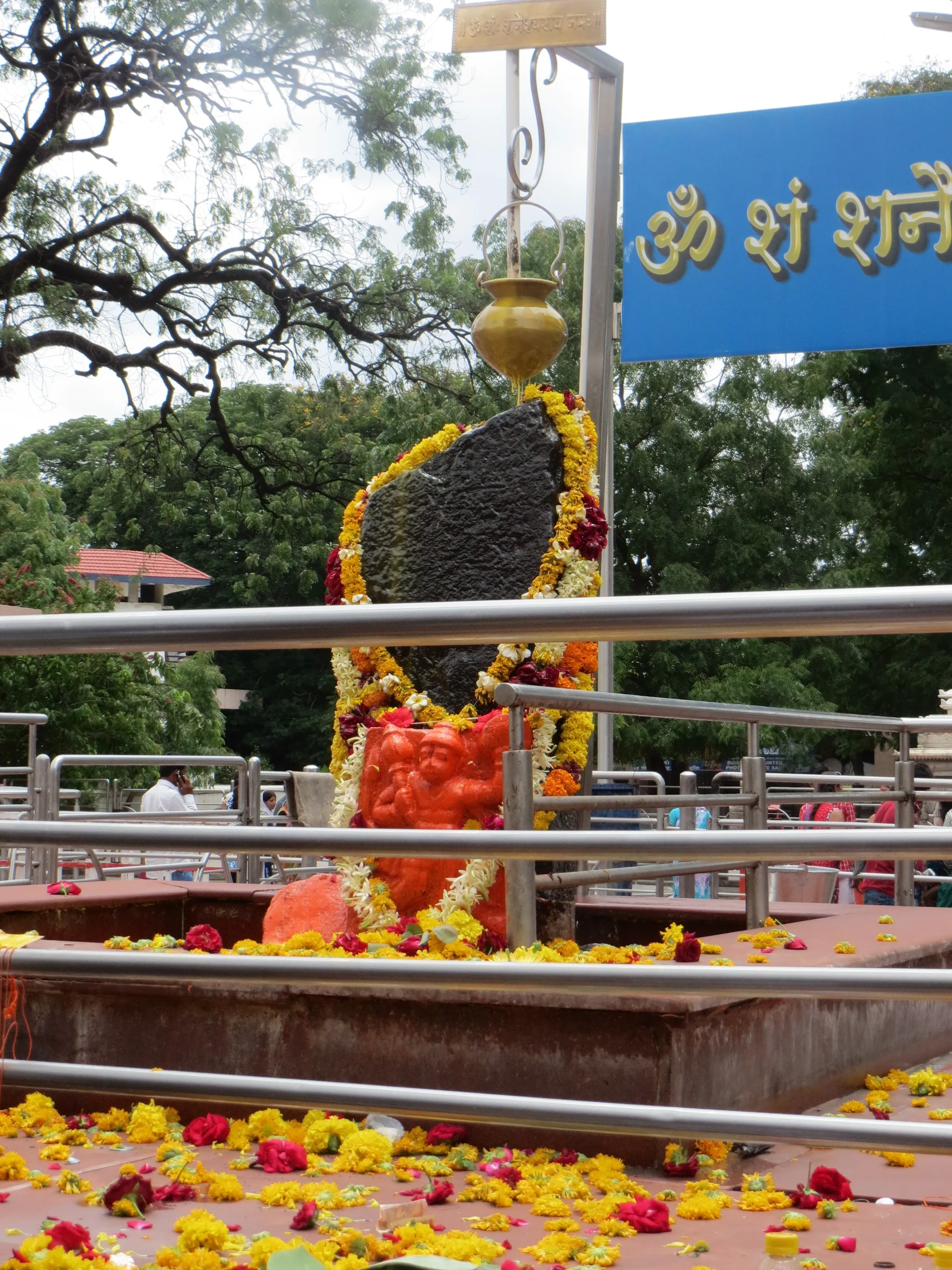
Dakshinamurthy Stotram (Vishvam Darpana): Lyrics, Meaning and Benefits
Dakshinamurthy Stotram, the hymn that begins 'Vishvam darpana drishyamana', is Adi Shankaracharya's praise of Shiva as the silent Guru under the banyan tree. Here is the full text with the Shanti Patha, a plain-English meaning of all ten verses, the closing dhyana verse, and gentle guidance for students and job seekers.
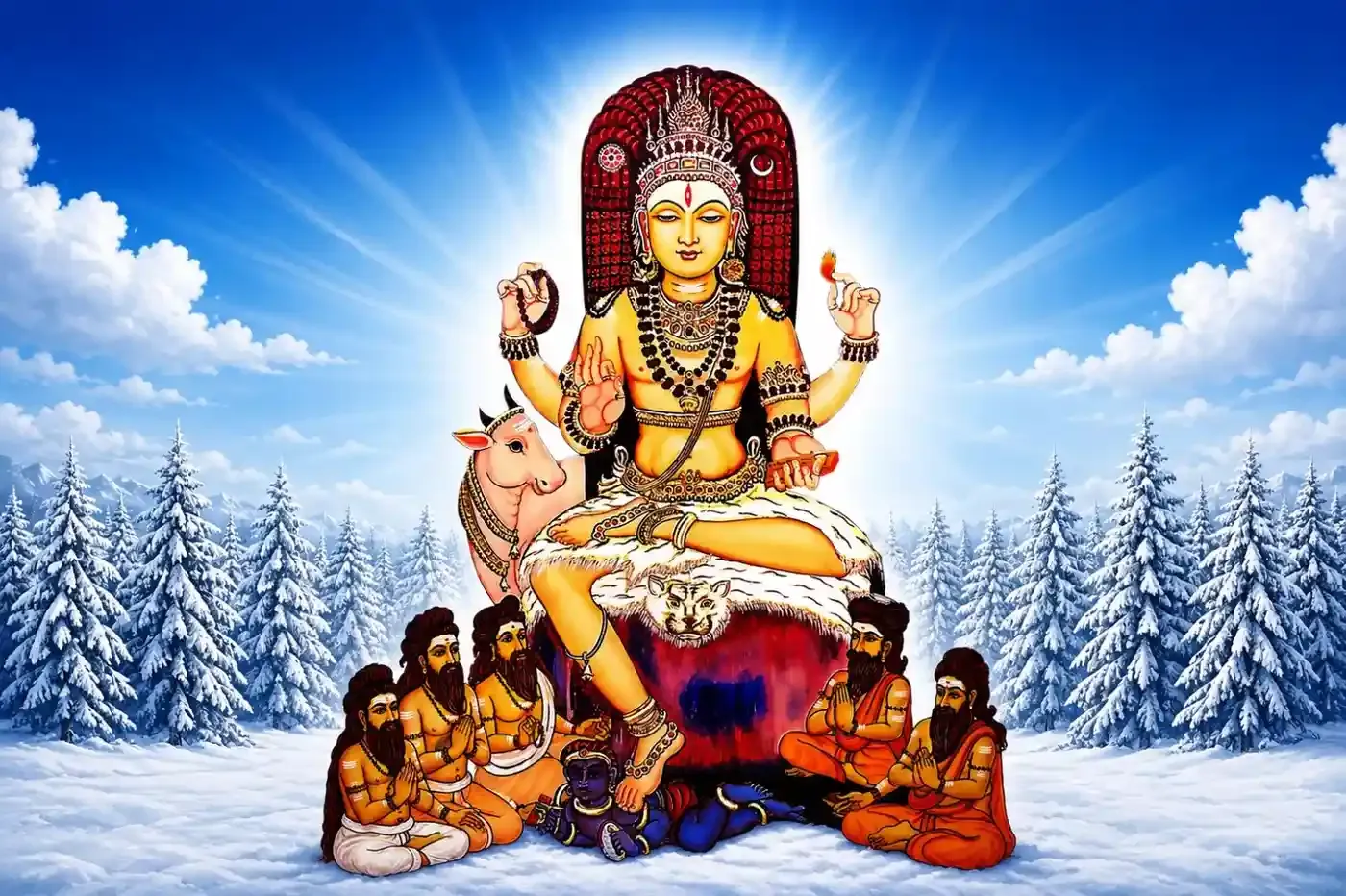
Dakshinamurthy Stotram, the hymn that begins 'Vishvam darpana drishyamana', is Adi Shankaracharya's praise of Shiva as the silent Guru under the banyan tree. Here is the full text with the Shanti Patha, a plain-English meaning of all ten verses, the closing dhyana verse, and gentle guidance for students and job seekers.
Quick answer: Dakshinamurthy Stotram is a ten-verse Sanskrit hymn to Lord Shiva as Dakshinamurthy, the silent Guru who sits facing south under a banyan tree. It begins "Vishvam darpana drishyamana" and is traditionally attributed to Adi Shankaracharya. It is chanted on Thursdays (Guruvar), before study, and by devotees seeking knowledge, clarity at work or a teacher's grace.
Dakshinamurthy Stotram: full text with meaning
The text follows the edition on sanskritdocuments.org. The meanings explain the sense of each verse rather than translating word for word.
Shanti Patha (opening invocation)
॥ शान्तिपाठः ॥
ॐ यो ब्रह्माणं विदधाति पूर्वम्
यो वै वेदांश्च प्रहिणोति तस्मै ।
तं ह देवमात्मबुद्धिप्रकाशं
मुमुक्षुर्वै शरणमहं प्रपद्ये ॥
ॐ शान्तिः शान्तिः शान्तिः
|| śāntipāṭhaḥ ||
oṃ yo brahmāṇaṃ vidadhāti pūrvam
yo vai vedāṃśca prahiṇoti tasmai |
taṃ ha devamātmabuddhiprakāśaṃ
mumukṣurvai śaraṇamahaṃ prapadye ||
oṃ śāntiḥ śāntiḥ śāntiḥ
Meaning: Om. He who in the beginning brought forth Brahma and handed the Vedas to him, the God who lights up the intellect with Self-knowledge: longing for liberation, I take refuge in him. Om, peace, peace, peace. (This invocation comes from the Shvetashvatara Upanishad.)
Verse 1
विश्वं दर्पणदृश्यमाननगरीतुल्यं निजान्तर्गतं
पश्यन्नात्मनि मायया बहिरिवोद्भूतं यथा निद्रया ।
यः साक्षात्कुरुते प्रबोधसमये स्वात्मानमेवाद्वयं
तस्मै श्रीगुरुमूर्तये नम इदं श्रीदक्षिणामूर्तये ॥ १॥
viśvaṃ darpaṇadṛśyamānanagarītulyaṃ nijāntargataṃ
paśyannātmani māyayā bahirivodbhūtaṃ yathā nidrayā |
yaḥ sākṣātkurute prabodhasamaye svātmānamevādvayaṃ
tasmai śrīgurumūrtaye nama idaṃ śrīdakṣiṇāmūrtaye || 1||
Meaning: The universe is like a city seen in a mirror: it lies within oneself, yet through maya it seems to be outside, as a dream world appears in sleep. On awakening, he directly realises his own Self as the One without a second. Salutation to him, Sri Dakshinamurthy, the Guru in form.
Verse 2
बीजस्यान्तरिवाङ्कुरो जगदिदं प्राङ्निर्विकल्पं पुनः
मायाकल्पितदेशकालकलनावैचित्र्यचित्रीकृतम् ।
मायावीव विजृम्भयत्यपि महायोगीव यः स्वेच्छया
तस्मै श्रीगुरुमूर्तये नम इदं श्रीदक्षिणामूर्तये ॥ २॥
bījasyāntarivāṅkuro jagadidaṃ prāṅnirvikalpaṃ punaḥ
māyākalpitadeśakālakalanāvaicitryacitrīkṛtam |
māyāvīva vijṛmbhayatyapi mahāyogīva yaḥ svecchayā
tasmai śrīgurumūrtaye nama idaṃ śrīdakṣiṇāmūrtaye || 2||
Meaning: Like the sprout hidden in a seed, this world was at first without distinctions. Painted with variety by space and time, imagined through maya, it is unfolded by his own will, as by a magician or a great yogi. Salutation to him, Sri Dakshinamurthy, the Guru in form.
Verse 3
यस्यैव स्फुरणं सदात्मकमसत्कल्पार्थकं भासते
साक्षात्तत्त्वमसीति वेदवचसा यो बोधयत्याश्रितान् ।
यत्साक्षात्करणाद्भवेन्न पुनरावृत्तिर्भवाम्भोनिधौ
तस्मै श्रीगुरुमूर्तये नम इदं श्रीदक्षिणामूर्तये ॥ ३॥
yasyaiva sphuraṇaṃ sadātmakamasatkalpārthakaṃ bhāsate
sākṣāttattvamasīti vedavacasā yo bodhayatyāśritān |
yatsākṣātkaraṇādbhavenna punarāvṛttirbhavāmbhonidhau
tasmai śrīgurumūrtaye nama idaṃ śrīdakṣiṇāmūrtaye || 3||
Meaning: His light alone, the light of pure existence, shines as all the passing objects. Through the Vedic words 'Tat tvam asi', 'That thou art', he awakens those who take refuge in him. Once he is realised, there is no return to the ocean of birth and death. Salutation to him, Sri Dakshinamurthy, the Guru in form.
Verse 4
नानाच्छिद्रघटोदरस्थितमहादीपप्रभाभास्वरं
ज्ञानं यस्य तु चक्षुरादिकरणद्वारा बहिः स्पन्दते ।
जानामीति तमेव भान्तमनुभात्येतत्समस्तं जगत्
तस्मै श्रीगुरुमूर्तये नम इदं श्रीदक्षिणामूर्तये ॥ ४॥
nānācchidraghaṭodarasthitamahādīpaprabhābhāsvaraṃ
jñānaṃ yasya tu cakṣurādikaraṇadvārā bahiḥ spandate |
jānāmīti tameva bhāntamanubhātyetatsamastaṃ jagat
tasmai śrīgurumūrtaye nama idaṃ śrīdakṣiṇāmūrtaye || 4||
Meaning: Like the light of a great lamp inside a pot with many holes, his knowing shines out through the eyes and other senses. Only as he shines, as 'I know', does this whole world shine after him. Salutation to him, Sri Dakshinamurthy, the Guru in form.
Verse 5
देहं प्राणमपीन्द्रियाण्यपि चलां बुद्धिं च शून्यं विदुः
स्त्रीबालान्धजडोपमास्त्वहमिति भ्रान्ता भृशं वादिनः ।
मायाशक्तिविलासकल्पितमहा व्यामोहसंहारिणे
तस्मै श्रीगुरुमूर्तये नम इदं श्रीदक्षिणामूर्तये ॥ ५॥
dehaṃ prāṇamapīndriyāṇyapi calāṃ buddhiṃ ca śūnyaṃ viduḥ
strībālāndhajaḍopamāstvahamiti bhrāntā bhṛśaṃ vādinaḥ |
māyāśaktivilāsakalpitamahā vyāmohasaṃhāriṇe
tasmai śrīgurumūrtaye nama idaṃ śrīdakṣiṇāmūrtaye || 5||
Meaning: Those who say the Self is the body, the breath, the senses, the restless intellect or a void are greatly deluded, like women, children, the blind and the dull. He destroys this great delusion conjured by the power of maya. Salutation to him, Sri Dakshinamurthy, the Guru in form. (This comparison reflects the idiom of classical Sanskrit literature; the point is that mistaking the body or mind for the Self is an error anyone can make.)
Verse 6
राहुग्रस्तदिवाकरेन्दुसदृशो मायासमाच्छादनात्
सन्मात्रः करणोपसंहरणतो योऽभूत्सुषुप्तः पुमान् ।
प्रागस्वाप्समिति प्रबोधसमये यः प्रत्यभिज्ञायते
तस्मै श्रीगुरुमूर्तये नम इदं श्रीदक्षिणामूर्तये ॥ ६॥
rāhugrastadivākarendusadṛśo māyāsamācchādanāt
sanmātraḥ karaṇopasaṃharaṇato yo'bhūtsuṣuptaḥ pumān |
prāgasvāpsamiti prabodhasamaye yaḥ pratyabhijñāyate
tasmai śrīgurumūrtaye nama idaṃ śrīdakṣiṇāmūrtaye || 6||
Meaning: Like the sun or moon seized by Rahu in an eclipse, a person covered by maya rests as pure existence in deep sleep, the senses withdrawn. On waking he recognises, 'I was asleep.' The witness recognised in that moment is he. Salutation to him, Sri Dakshinamurthy, the Guru in form.
Verse 7
बाल्यादिष्वपि जाग्रदादिषु तथा सर्वास्ववस्थास्वपि
व्यावृत्तास्वनुवर्तमानमहमित्यन्तः स्फुरन्तं सदा ।
स्वात्मानं प्रकटीकरोति भजतां यो मुद्रया भद्रया
तस्मै श्रीगुरुमूर्तये नम इदं श्रीदक्षिणामूर्तये ॥ ७॥
bālyādiṣvapi jāgradādiṣu tathā sarvāsvavasthāsvapi
vyāvṛttāsvanuvartamānamahamityantaḥ sphurantaṃ sadā |
svātmānaṃ prakaṭīkaroti bhajatāṃ yo mudrayā bhadrayā
tasmai śrīgurumūrtaye nama idaṃ śrīdakṣiṇāmūrtaye || 7||
Meaning: Through childhood and old age, waking, dream and deep sleep, the 'I' continues, shining within always. With the auspicious chin mudra of his hand, he reveals this very Self to his devotees. Salutation to him, Sri Dakshinamurthy, the Guru in form.
Verse 8
विश्वं पश्यति कार्यकारणतया स्वस्वामिसंबन्धतः
शिष्याचार्यतया तथैव पितृपुत्राद्यात्मना भेदतः ।
स्वप्ने जाग्रति वा य एष पुरुषो मायापरिभ्रामितः
तस्मै श्रीगुरुमूर्तये नम इदं श्रीदक्षिणामूर्तये ॥ ८॥
viśvaṃ paśyati kāryakāraṇatayā svasvāmisaṃbandhataḥ
śiṣyācāryatayā tathaiva pitṛputrādyātmanā bhedataḥ |
svapne jāgrati vā ya eṣa puruṣo māyāparibhrāmitaḥ
tasmai śrīgurumūrtaye nama idaṃ śrīdakṣiṇāmūrtaye || 8||
Meaning: In dream or waking, a person whirled about by maya sees the world as divided: cause and effect, owner and owned, disciple and teacher, father and son. The true Self beyond that confusion is he. Salutation to him, Sri Dakshinamurthy, the Guru in form.
Verse 9
भूरम्भांस्यनलोऽनिलोऽम्बरमहर्नाथो हिमांशुः पुमान्
इत्याभाति चराचरात्मकमिदं यस्यैव मूर्त्यष्टकम् ।
नान्यत्किञ्चन विद्यते विमृशतां यस्मात्परस्माद्विभोः
तस्मै श्रीगुरुमूर्तये नम इदं श्रीदक्षिणामूर्तये ॥ ९॥
bhūrambhāṃsyanalo'nilo'mbaramaharnātho himāṃśuḥ pumān
ityābhāti carācarātmakamidaṃ yasyaiva mūrtyaṣṭakam |
nānyatkiñcana vidyate vimṛśatāṃ yasmātparasmādvibhoḥ
tasmai śrīgurumūrtaye nama idaṃ śrīdakṣiṇāmūrtaye || 9||
Meaning: Earth, water, fire, air, space, sun, moon and the individual soul: this whole moving and unmoving world shines as his eightfold form. For those who reflect, nothing exists apart from him, the supreme, all-pervading Lord. Salutation to him, Sri Dakshinamurthy, the Guru in form.
Verse 10
सर्वात्मत्वमिति स्फुटीकृतमिदं यस्मादमुष्मिन् स्तवे
तेनास्य श्रवणात्तदर्थमननाद्ध्यानाच्च सङ्कीर्तनात् ।
सर्वात्मत्वमहाविभूतिसहितं स्यादीश्वरत्वं स्वतः
सिद्ध्येत्तत्पुनरष्टधा परिणतं चैश्वर्यमव्याहतम् ॥ १०॥
sarvātmatvamiti sphuṭīkṛtamidaṃ yasmādamuṣmin stave
tenāsya śravaṇāttadarthamananāddhyānācca saṅkīrtanāt |
sarvātmatvamahāvibhūtisahitaṃ syādīśvaratvaṃ svataḥ
siddhyettatpunaraṣṭadhā pariṇataṃ caiśvaryamavyāhatam || 10||
Meaning: Because this hymn makes clear that he is the Self of all, by hearing it, reflecting on it, meditating on it and singing it, one naturally attains the glory of being the Self of all, and the unobstructed eightfold divine power as well. This is the hymn's own phalashruti.
Closing dhyana verse
वटविटपिसमीपे भूमिभागे निषण्णं
सकलमुनिजनानां ज्ञानदातारमारात् ।
त्रिभुवनगुरुमीशं दक्षिणामूर्तिदेवं
जननमरणदुःखच्छेददक्षं नमामि ॥
इति श्रीमत्परमहंसपरिव्राजकाचार्यस्य श्रीगोविन्दभगवत्पूज्यपादशिष्यस्य
श्रीमच्छङ्करभगवतः कृतौ दक्षिणामूर्त्यष्टकं सम्पूर्णम् ।
vaṭaviṭapisamīpe bhūmibhāge niṣaṇṇaṃ
sakalamunijanānāṃ jñānadātāramārāt |
tribhuvanagurumīśaṃ dakṣiṇāmūrtidevaṃ
jananamaraṇaduḥkhacchedadakṣaṃ namāmi ||
iti śrīmatparamahaṃsaparivrājakācāryasya śrīgovindabhagavatpūjyapādaśiṣyasya
śrīmacchaṅkarabhagavataḥ kṛtau dakṣiṇāmūrtyaṣṭakaṃ sampūrṇam |
Meaning: I bow to Lord Dakshinamurthy, seated on the ground near the banyan tree, who gives knowledge to all the sages gathered there; Teacher of the three worlds, the Lord, skilled in cutting away the sorrow of birth and death. The colophon says the hymn is the work of Shankara Bhagavatpada, disciple of Govinda Bhagavatpada.
The Advaita teaching in simple words
| Verses | The idea in plain words |
|---|---|
| 1-2 | The world appears within consciousness, like a reflection or a dream, unfolding like a sprout from a seed. |
| 3-4 | Pure existence alone is real; the Self is the light that shines through the senses. |
| 5-7 | The Self is not body, breath or mind; the 'I' remains as witness through sleep and every stage of life. |
| 8-9 | Divisions belong to appearance; the elements, sun, moon and soul are forms of the one Lord. |
| 10 | Hearing, reflecting, meditating on and singing this truth brings its fruit. |
You need not grasp all of this to chant with love; the meaning opens slowly. Adi Shankaracharya's Nirvana Shatakam expresses the same vision in six short verses.
How and when to chant Dakshinamurthy Stotram
- Thursdays: the day of the Guru; many families chant it every Thursday morning.
- Before study or work: a few minutes before opening books or starting the working day.
- Start of learning: Guru Purnima and Vidyarambham. See Saraswati Puja and Vidyarambham.
- How many times: once a day; three times on Thursdays if you wish. Our japa mala guide helps with counting.
A simple way to chant at home
- Sit quietly facing a picture of Dakshinamurthy or Shiva, light a lamp and offer a flower.
- Make a short sankalpa, for example: "Lord Dakshinamurthy, I chant this hymn with devotion. Please give me clarity and right understanding."
- Recite the Shanti Patha, the ten verses and the dhyana verse slowly.
- Sit in silence for a minute. Silence is Dakshinamurthy's teaching, so this is part of the practice.
To picture the Lord's form before you begin, see our Sri Medha Dakshinamurthy Swami Dhyanam.
Pronunciation tips in plain English
- Breathe at the end of each line, not in the middle of a word.
- A line over a vowel in IAST means a longer sound: the refrain's last word is said 'dak-shi-naa-moor-ta-ye'.
- An 's' with an accent or dot is said 'sh', as in Shri and Vishvam.
- Learn the refrain first; it comes nine times, and the rest becomes easier.
For students and job seekers
Dakshinamurthy is worshipped as the Lord of learning and the remover of confusion, so many students chant this hymn before study and exams, and many people turn to it when preparing for interviews, changing jobs or seeking a mentor. Chant before preparing, keep Thursdays special with a lamp, and pray for good teachers and colleagues.
This is devotional practice, not a promise of results. Devotees believe the Guru's grace brings steadiness and clear thinking, working through sincere effort. See also mantras for career success, mantras for students and mantras for JEE, NEET and UPSC.
Significance and traditional benefits
Devotees believe that chanting this hymn with devotion brings the grace of the Guru, clears dullness and confusion, supports concentration, and turns the mind toward the question 'Who am I?'. The tenth verse names its own fruit: realising oneself as the Self of all. The emphasis is on knowledge and freedom; no hymn carries a guarantee of particular outcomes. For other needs, see which god to pray to for job, marriage, health, money and studies.
Shiva as the silent Guru under the banyan tree
Dakshinamurthy means 'the form facing south'. In South Indian Shiva temples his image usually sits in a niche on the southern wall: a youthful teacher under a banyan tree, one foot on a small figure representing ignorance, his right hand in chin mudra, thumb and forefinger touching.
As commonly told, the four mind-born sons of Brahma, Sanaka, Sanandana, Sanatana and Sanatkumara, had studied everything yet still had doubts. Shiva sat before them as a young teacher, in silence, and in that silence their doubts dissolved. A well-known traditional verse marvels that the disciples are old, the Guru is young, and his explanation is silence. The seventh verse of the stotram points to this very mudra.
Frequently asked questions
What is the meaning of Dakshinamurthy Stotram?
It is a hymn of salutation to Shiva as the Guru and also a short lesson in Advaita Vedanta. It teaches that the world appears within consciousness like a city in a mirror, that the light by which we know everything is the Self, and that the 'I' shines unchanged through every state of life. Each verse ends by saluting Sri Dakshinamurthy, the Guru in form.
Who wrote Dakshinamurthy Stotram?
It is traditionally attributed to Adi Shankaracharya. The colophon calls it the work of Shankara Bhagavatpada, disciple of Govinda Bhagavatpada. The Manasollasa commentary on it is traditionally attributed to his disciple Sureshvaracharya.
Is Dakshinamurthy Stotram good for getting a job?
Many devotees chant it while preparing for interviews or seeking a good teacher, because Dakshinamurthy is the Lord of knowledge and clarity. This is a traditional devotional practice, not a guarantee. Devotees believe the Guru's grace steadies the mind and supports honest preparation.
What is the best day to chant Dakshinamurthy Stotram?
Thursday (Guruvar), the day of the Guru, especially in the early morning before study or work. Many also chant it on Guru Purnima, at the start of studies and on Mondays.
How many times should Dakshinamurthy Stotram be chanted?
Once a day, slowly and with attention, is a good practice. Some chant it three times on Thursdays or 11 times on special days. Understanding one verse deeply is valued more than a large count.
Can women and children chant Dakshinamurthy Stotram?
Yes. It is a stotra, a hymn of praise, chanted in many homes by everyone. Children can start with the short dhyana verse at the end and the refrain.
Editor's note
Editor's note (7 October 2026): This guide has been restored at its original address. The Sanskrit text follows sanskritdocuments.org; minor variants in wording and recitation exist between editions and family traditions, so follow your own teacher's book if you have one. The English meanings are our own. Authorship is given as traditionally attributed and the story as commonly told. No particular results are promised.
Related guides
You might also like
Annapurna Stotram (Nityanandakari): Lyrics, Meaning and Benefits
Navagraha Stotram (Japakusuma Sankasham): Lyrics, Meaning and Benefits
Bhairav Chalisa: Lyrics in Hindi with Meaning, Bhairav Aarti and How to Recite